
Reviewed · ANNA, XàTIVA & INLAND VALENCIA
Enguera
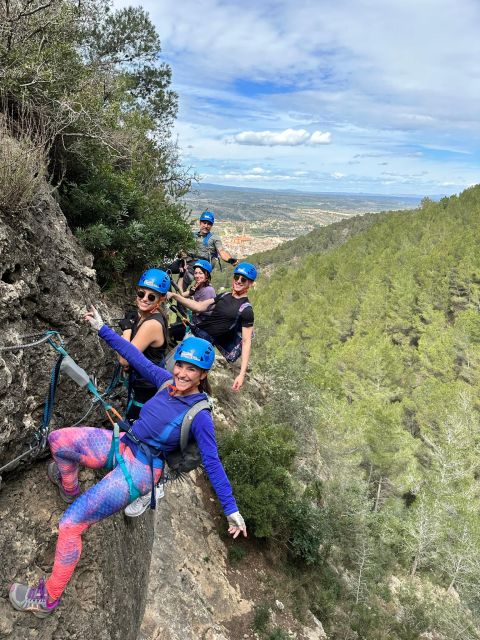
Ready for heights and speed over stone? This Enguera Falconera via ferrata turns into a sporty nature day, with a long 70m zip line crossing a ravine and a reputation for one of the biggest hanging-bridge crossings in Spain. It’s action-packed but not the marathon length you might fear: you’re looking at about 4 hours.
What I like most is how the route builds your confidence step-by-step, starting with vertical climbing on iron clamps and ending with the big-finale zip. Second, you get real, structured instruction from guides who focus on safety first—English, French, or Spanish—plus gear that’s fitted for you. The one drawback to consider is that it’s rated K3, and it’s specifically not for people with vertigo (and not for pregnant women).
In This Review
- Key highlights worth your attention
- Getting to Enguera and finding the Falconera meeting point
- The K3 via ferrata setup: gear, guides, and what the day demands
- First meters matter: the stone wall climb on iron clamps
- The hanging-bridge moment: experiencing height the right way
- The king obstacle: the 70m zip line over the ravine (and the 25m abseil option)
- The finish sequence: plank bridge and short abseils
- Timing, group size, and your energy plan for 4 hours
- Price and value: is $53 per person worth it?
- Pair it with nearby castles and views from El Piquet
- Should you book the Falconera via ferrata in Enguera?
- FAQ
- What is the duration of the Enguera via ferrata experience?
- Where is the meeting point in Enguera?
- How much does it cost per person?
- How big is the group?
- What languages do the instructors speak?
- Is the 70m zip line the only way to handle the main obstacle?
- What should I bring with me?
- Who is this activity not suitable for?
Key highlights worth your attention
- 70m zip line over a ravine: the main event, with a “you’re up there” kind of rush
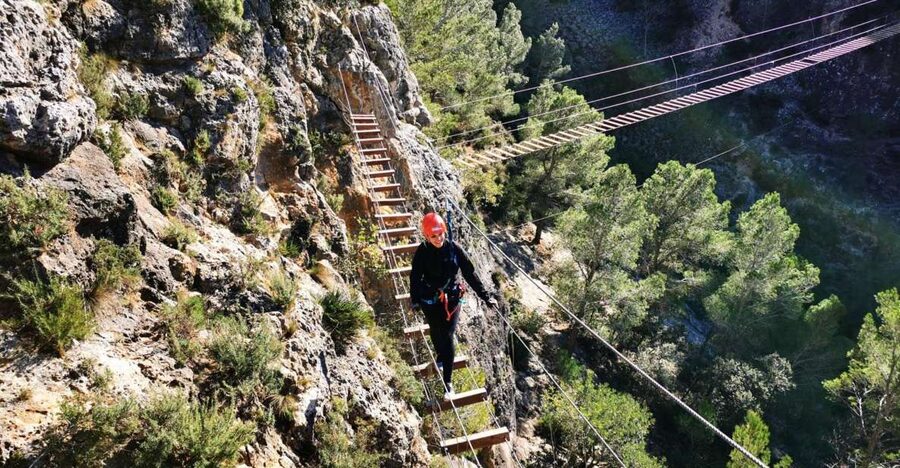
- 80m hanging bridge: a long, exposed crossing that adds real height feel
- Iron-clamp vertical sections: a physical warm-up that uses your arms and technique
- 25m abseil alternative: if the zip isn’t your thing, there’s a backup plan
- Short finish rappels and plank crossing: keeps momentum without a slow crawl to the end
- Small group of max 7: you’re not lost in a crowd
Getting to Enguera and finding the Falconera meeting point
This is a countryside outing, not a city-stroll activity. You’ll meet at C. de San Antonio Padua, 83, 46810 Enguera (Valencia). The directions mention a path with trees on the side of a road, so don’t overthink it: you’re looking for the group and the guide signals.
One practical detail I appreciate: guides wear fluorescent orange Alicante Aventura shirts. That makes it easier when you arrive a little earlier (and you should). Plan to show up at least 15 minutes before the start so everything feels calm—gear checks, mindset, and a quick chat. There’s also a courtesy window of up to 5 minutes once the activity starts, and after that the guides have to leave with the group.
If you’re the type who wants a drink, a snack, or a quick toilet stop before you climb, build in a little extra time. In a 4-hour activity, small delays add up.
Inland detours our reviewers also clocked
The K3 via ferrata setup: gear, guides, and what the day demands
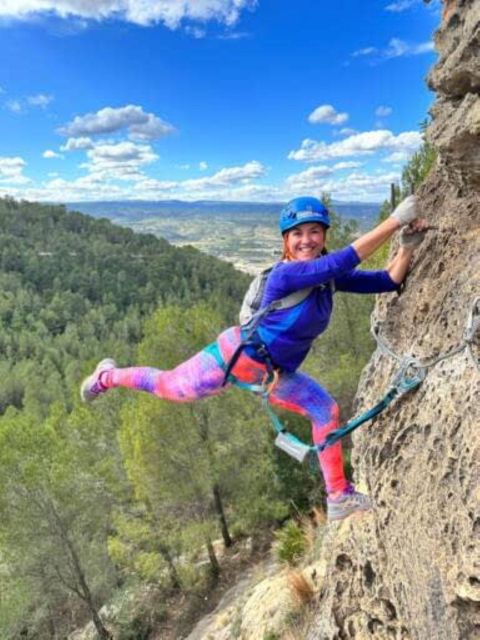
This isn’t a “walk up and look around” experience. It’s a via ferrata with a K3 difficulty rating, meaning you should expect exposure, vertical sections, and steady concentration. The route description makes the physical demands clear: you’ll be pulling yourself up vertical stone walls using iron clamps, then moving across more technical elements afterward.
The good news: you won’t be sent in cold. The activity includes a medium mountain sports technician, and they provide the helmet, climbing harness, and via ferrata security set. That matters because it changes the whole feel of the day. You can focus on technique and breath control instead of worrying about whether your gear is right.
Also, the guide team works in multiple languages—English, French, and Spanish. And based on a past participant’s experience with Toni, the instruction style is approachable even if you’re new to climbing and via ferratas. The takeaway for you: ask questions early, because a good intro makes the entire route easier to enjoy.
Two things to keep in mind for your own fit:
- The activity is not suitable for people with vertigo.
- It’s not recommended for pregnant women.
First meters matter: the stone wall climb on iron clamps
The route starts with the kind of climbing that feels old-school and very specific: you climb up a stone wall using iron clamps. This stage is more than just “getting started.” It’s a warm-up for what’s coming—learning how to place your feet, how to use your hands without burning out, and how to stay smooth while clipped into your safety system.
You’ll likely feel it in your arms. The description is blunt about it: the vertical climbs and a “flank” section make you work the muscles in your arms. Translation for you: eat a real snack before the outing, and don’t treat it like a sprint. Faster isn’t better here—steady is.
This is also where your guide’s job is most important. In a K3 route, the goal is safe movement and good habits. If you’re newer to via ferratas, this is the moment to copy the guide’s rhythm and stop trying to show off.
The hanging-bridge moment: experiencing height the right way
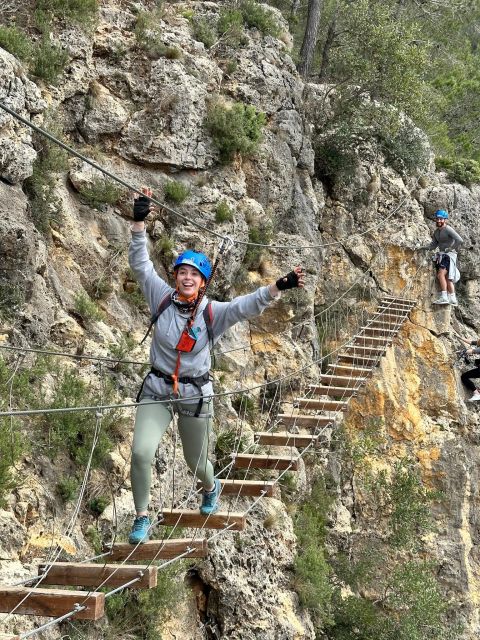
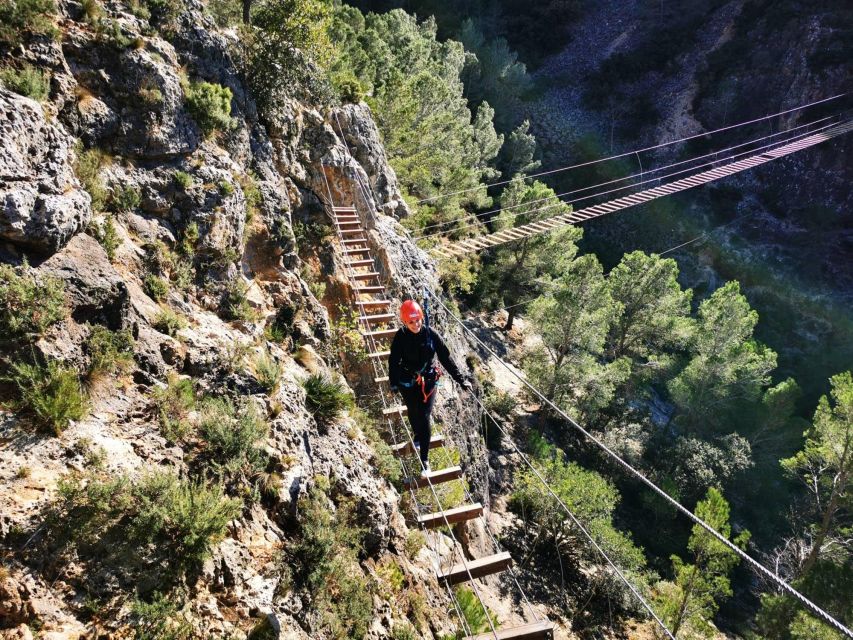
After the initial climbing sections, you reach the big, airy feeling: an 80m hanging bridge. The route overview calls out the bridge as the second-longest in Spain, which hints at why it feels like a headline obstacle rather than a quick crossing.
What to expect practically? A hanging bridge changes your balance. It also amplifies the height effect—especially because via ferrata routes typically keep you dealing with exposure rather than switching back to forest-floor calm.
If you’re comfortable with heights, you’ll probably enjoy this part a lot. If you’re “fine until I’m standing still,” look for your pacing: keep your movements simple, look where you’re going, and don’t rush. This is a place to breathe and let the bridge do its job.
Also, the route is designed so you’re not just crossing for nothing. The bridge is part of building the day’s rhythm: climb, cross high, then move back into the action.
- Valencia: Oceanogràfic Entry Ticket
★ 4.7 · 9,893 reviews - Valencia: 24 or 48-Hour Hop-on Hop-off Bus Ticket
★ 3.9 · 5,611 reviews - Valencia: Sailing Catamaran Cruise with Sunset Option and DJ
★ 4.1 · 4,270 reviews - Valencia: Palosanto Flamenco Show Ticket
★ 4.8 · 3,876 reviews
The king obstacle: the 70m zip line over the ravine (and the 25m abseil option)
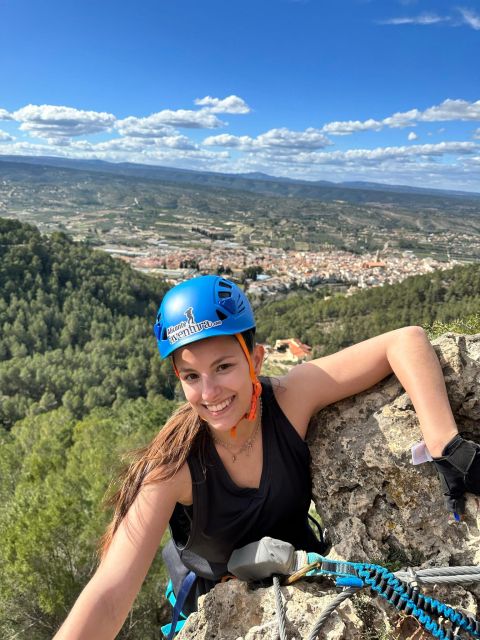
Now for the part that turns this from a good via ferrata into a memorable day: the 70m zip line. It crosses a ravine, and the experience is described as freedom at height—fast, airy, and very “watch the view slide by” rather than “stare at your feet.”
Real talk: this is exactly where nerves can spike. Good news is the route gives you an alternative. If the zip line feels too scary, you can choose a 25m abseil instead and avoid the zip. That flexibility is a big value point, because it prevents the day from turning into stress. You still get the technical experience and the height challenge, just in a different form.
How to think about it before you go:
- If you like thrills, the zip is the payday.
- If you don’t like thrills, the abseil keeps you in the same overall itinerary so you still finish feeling proud.
Either way, the guide’s role here is crucial—timing, safety checks, and helping you commit to the plan you choose. Based on past feedback about Toni’s positive energy and his focus on keeping people safe and secure, this isn’t the kind of activity where you’re thrown in without support.
The finish sequence: plank bridge and short abseils
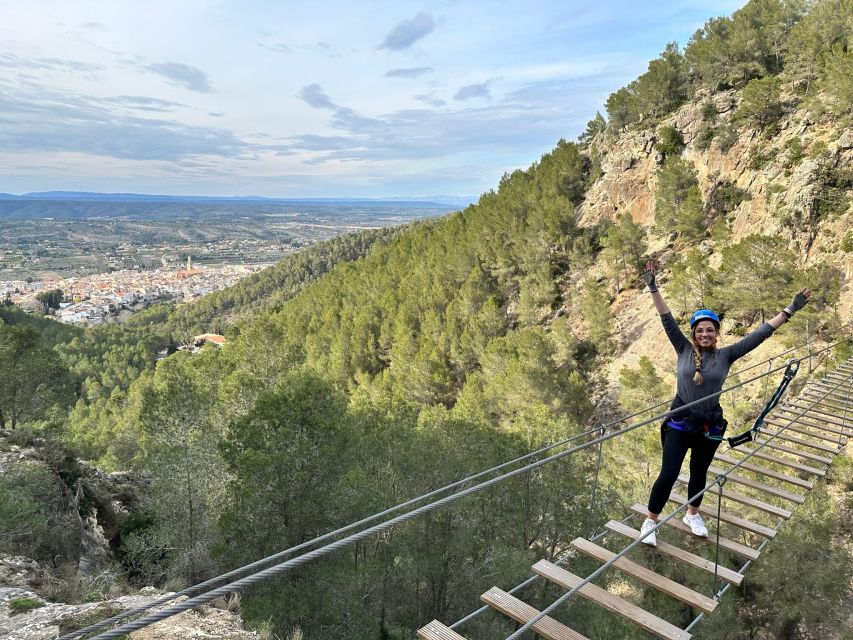
After the main obstacles, the route keeps moving toward the end instead of dragging out. You’ll pass through sideways passages, then reach simpler structures—a very simple plank bridge—followed by a couple of short abseils to finish.
The point of this final stretch is momentum. You’re already “awake” from the earlier climbs and the big zip/abseil choice, so these finishing elements feel like a wrap-up rather than a second major workout.
Also, the route includes 20m abseiling as a highlighted part of the experience. Since the description also says there are multiple short abseils to finish, the practical reality is you’ll likely feel like you did more than one rappel segment. Either way, the key for you is posture and control: stay calm, keep your mind on the technique, and don’t fight the equipment.
By the time you hit the end, it should feel like the day went by faster than you expected. It isn’t designed as an all-day endurance project.
Timing, group size, and your energy plan for 4 hours
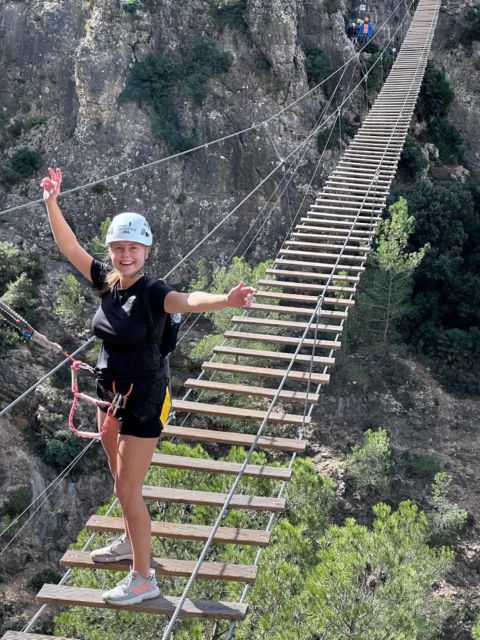
The full duration is 4 hours, which is a sweet spot. It’s long enough to build a real adventure—vertical climbing, bridge exposure, the main zip (or backup abseil), and final rappels—without needing a full-day travel commitment.
Group size is limited to 7 participants, which is another underrated value point. In smaller groups, guides can check on individuals more directly, adjust pacing, and give quick safety reminders before you move into the next obstacle.
What to bring is straightforward, but your choices matter because you’ll be climbing:
- Snacks
- Sportswear
- Sunscreen
- Water
- Sports shoes
- Daypack
I’d also add this mindset tip: treat it like a mix of climbing + a timed confidence course. You’ll be pushing physically, but the real performance factor is calm movement.
If you’re new to via ferratas, aim to arrive ready to learn, not just ready to finish. The best results come from being coachable on the vertical clamp sections and then trusting your setup when you move into the height obstacles.
Price and value: is $53 per person worth it?
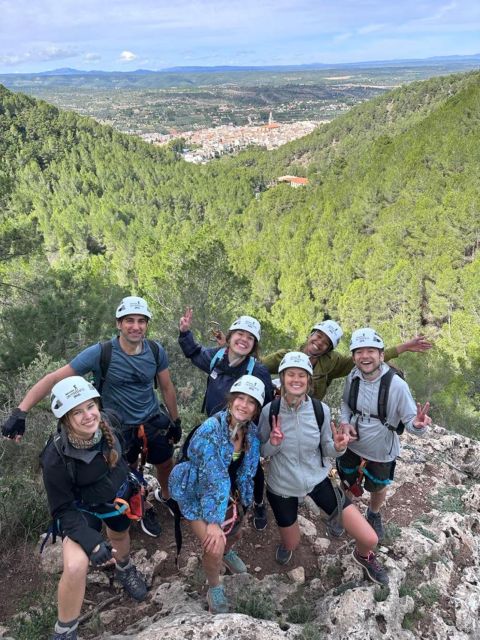
At about $53 per person, this outing is priced like an activity that wants to deliver a lot of technique per hour. Here’s what you’re actually paying for, beyond the thrills:
- A guide and technician on the day
- All the core gear: helmet, harness, via ferrata safety set
- Insurance for personal accident and civil liability
- Photos of the activity, shared by WhatsApp through a link that keeps quality
- Entry to the Falconera via ferrata
That gear-and-safety bundle is where value really shows. For a K3 route with real exposure (and a big zip line), you’re not just buying access—you’re buying guided risk management and the tools to do it correctly.
If you compare it to doing similar activities on your own, the price becomes easier to justify. Even if you’re experienced, the included instruction time can be the difference between a fun challenge and a stressful one.
One thing to keep expectations realistic: it’s rated K3 and it includes vertical climbing and height elements. If you dislike that kind of physical challenge, no price tag will fix the mismatch.
Pair it with nearby castles and views from El Piquet
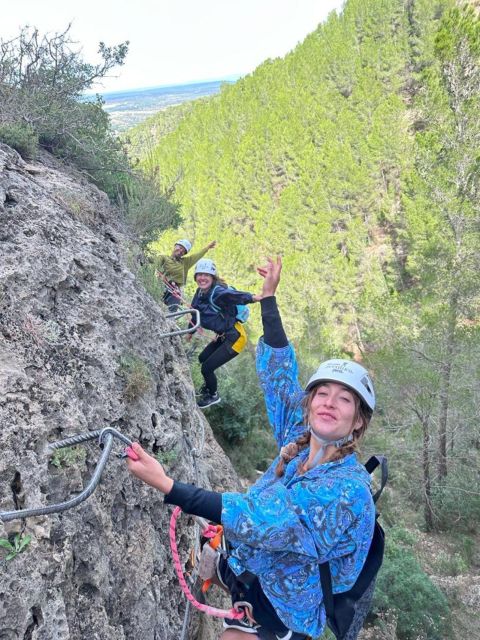
One reason I like this area is that the adventure doesn’t have to be the whole day. The route sits near two historical sites: the remains of the castle of Montesa and the castle of Enguera. If you have time before or after your via ferrata, it’s a good way to turn a sporty outing into a fuller “Enguera day.”
There’s also the option to climb up to El Piquet, which offers spectacular views of both nearby towns and almost the entire province. That works especially well if you’re the type who likes to see the geography you just moved above—ravines, valleys, and the scale of the region.
Plan this like a sensible adult: don’t schedule a long uphill hike right before you’re doing vertical clamp climbing and rappelling. But after you’re finished, it can be a satisfying way to close the loop.
Should you book the Falconera via ferrata in Enguera?
If you want a via ferrata day with a true “main obstacle” moment, I’d book it. The 70m zip line over a ravine is the headline, and the fact that there’s a 25m abseil alternative means you can choose the challenge level that fits your nerves. Add in the small group size (max 7) and the guide-driven approach, and you get a day that’s intense without feeling chaotic.
I’d not book it if you know you struggle with heights, because it’s explicitly not suitable for vertigo, and the bridge and exposure elements are a big part of the experience. Also skip it if you’re not able to handle vertical climbing on iron clamps and the arm work that comes with it.
One more decision help: if you’re new to via ferratas, pick this kind of course where instruction is front and center. Past experience highlighted how guide Toni gave a great introduction and kept things safe and secure while inspiring people to try more climbing. That’s exactly the kind of day you want early on.
FAQ
What is the duration of the Enguera via ferrata experience?
The activity lasts about 4 hours.
Where is the meeting point in Enguera?
You meet at C. de San Antonio Padua, 83, 46810 Enguera, Valencia.
How much does it cost per person?
The price is listed as $53 per person.
How big is the group?
It’s a small group limited to 7 participants.
What languages do the instructors speak?
The instructor is available in English, French, and Spanish.
Is the 70m zip line the only way to handle the main obstacle?
No. If you feel too scared for the zip line, there is an alternative 25m abseil.
What should I bring with me?
Bring snacks, sportswear, sunscreen, water, sports shoes, and a daypack.
Who is this activity not suitable for?
It’s not suitable for pregnant women and for people with vertigo.
More Tour Reviews in Valencia
- Valencia: Oceanogràfic Entry Ticket★ 4.7 · 9,893 reviews
- Valencia: 24 or 48-Hour Hop-on Hop-off Bus Ticket★ 3.9 · 5,611 reviews
- Valencia: Sailing Catamaran Cruise with Sunset Option and DJ★ 4.1 · 4,270 reviews
- Valencia: Palosanto Flamenco Show Ticket★ 4.8 · 3,876 reviews
- Valencia Old Town Tour with Wine & Tapas in 11th Century Historic Monument★ 5.0 · 3,234 reviews
Inland Valencia, Stop by Stop
- Anna: amazing water canyoning experience near Valencia★ 4.8 · 33 reviews
- Historic Bocairent, Covetes del Moros Caves and Pou Clar Pools★ 5.0 · 9 reviews
- From Valencia: Guided Day Trip to Xàtiva and Anna★ 4.4 · 8 reviews
- From Valencia: Bocairent and Covetes dels Moros Day Trip★ 4.4 · 8 reviews
- From Valencia: Discover the Medieval Splendour of Bocairent★ 5.0 · 7 reviews
The newest Valencia reviews on our desk


Anna, Xàtiva & Inland Valencia, compared.
 ★ 4.8Anna: amazing water canyoning experience near ValenciaFrom $14133 reviews
 ★ 4.8From Calpe, Javea & Denia- Discover the 3 Waterfalls of AnnaFrom $5311 reviews
 ★ 5.0Historic Bocairent, Covetes del Moros Caves and Pou Clar PoolsFrom $1089 reviews
 ★ 4.4Bocairent and Covetes dels Moros Day TripFrom $1708 reviews
 ★ 4.4Guided Day Trip to Xàtiva and AnnaFrom $1708 reviews
 ★ 5.0Discover the Medieval Splendour of BocairentFrom $827 reviews
 ★ 5.0Watch the Sunset from the castle of SerraFrom $1206 reviews
 ★ 5.0Hiking Experience between Waterfalls in Buñol from ValenciaFrom $926 reviews
Browse the lists this tour appears in