
Reviewed · VALENCIA MOUNTAIN HIKES
Hiking Tour of the Roman Aqueduct of Peña Cortada and Ruta de Agua
Roman aqueducts meet riverside hiking.
This day trip blends the 2000-year-old Peña Cortada aqueduct with a river walk along the Ruta del agua, plus a stop in the white town of Chelva. I especially like the way Howard keeps the pace friendly and makes the route feel understandable, not just scenic. I also love the variety: mills, Arabic-era caves used for storage, eucalyptus shade, and then that jaw-dropping aqueduct stretch. One thing to consider is that you’re walking about 10 miles / 16 km, so you’ll want solid shoes and a mindset for a long, mostly outdoors day.
You’ll start in Valencia with private, air-conditioned transport and finish back at the same meeting point. The group stays small (max 8), and you get English-guided hiking with built-in breaks like coffee/tea and time to explore Chelva on foot. It’s about 9 hours total, and the experience runs only when weather looks good.
In This Review
- Key highlights worth knowing
- Roman Aqueduct + Ruta del Agua: Why This Route Works
- Valencia Start: Private Transport and Howard’s Game Plan
- Calles First: Coffee, the Church, and the Frog Fountain
- Ruta del agua: Rapids, a 19th-Century Mill, and Arabic Caves
- Picnic by the River: A Rest That Actually Helps
- Chelva: White Streets, Lavaderos, and the Main Plaza Pause
- Peña Cortada Aqueduct: The Crossing, the Tunnels, and the Views
- Distance, Fitness, and What to Pack for 16 km
- Price and Value: What $108.02 Buys You
- Who Should Book This (and Who Might Not)
- Quick FAQ
- FAQ
- How long is the hike?
- How many people are in the group?
- Is the tour offered in English?
- What’s included in the price?
- Is lunch included?
- Is there a coffee stop before the hike?
- What fitness level do I need?
- Is the aqueduct crossing dangerous?
- What happens if the weather is bad?
- Should I bring swim gear?
- Final thought: Should you book this?
Key highlights worth knowing
- Small group (max 8): easier pacing and more chances to ask Howard questions.
- Peña Cortada aqueduct crossing: an unnerving-feeling walk that’s described as not actually dangerous.
- Ruta del agua variety: rapids, an old mill with a colorful mural, and Arabic caves for storage.
- Chelva on foot: historic washhouses and fountains along the Ruta de los Lavaderos route.
- Nature breaks: river-side picnic time, with a chance to cool off at a swimming hole.
Roman Aqueduct + Ruta del Agua: Why This Route Works
This is one of those hikes where the scenery isn’t all the same. You start with the “wow” factor from the old water system, then you get the quieter water-and-wildlife feel along the river before finishing with Chelva’s historic streets.
The Roman aqueduct of Peña Cortada is the kind of sight that makes photos look too flat. Even if you know what an aqueduct is, seeing the tunnels cut into rock and walking the structure gives you a physical sense of how water was moved centuries ago. Then the Ruta del agua shifts the tone—fast-flowing stretches, shaded sections with eucalyptus, and side stops that feel like you’re walking through layers of time rather than just along a trail.
Other trailheads within striking distance of Valencia
Valencia Start: Private Transport and Howard’s Game Plan
The day begins at Alameda Beer’s (at Pg. de l’Albereda, 15 in El Pla del Real) at 9:00 am. You’re picked up via air-conditioned private transportation, which matters because the day is long and you don’t want to burn energy on logistics before the hiking starts.
Small group size also changes the experience. With up to 8 people, Howard can slow down or speed up without making it feel like you’re dragging someone—or getting left behind. The reviews consistently point to Howard’s friendliness and the fact that he shares clear stories as you walk, which helps when a route has both history stops and active hiking.
Calles First: Coffee, the Church, and the Frog Fountain
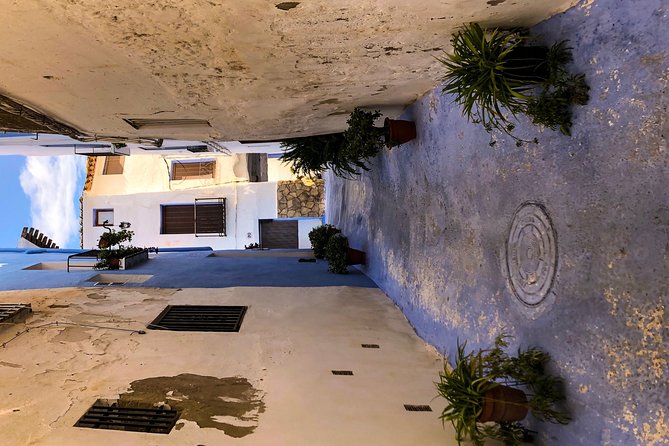
Before you lace up for the longer walk, you start with a relaxed coffee stop in Calles, a rural village on the way. This isn’t an “intro lecture.” It’s just time to reset, stroll a bit, and get your bearings in a place that feels lived-in.
Calles has two standout photo-and-walk moments: a historic church and the quirky local favorite, the Frog Fountain. You’ll also get a simple rhythm to the morning—walk a little, stop for coffee/tea (included), and then transition into hiking with less pressure.
If you’re the kind of traveler who likes your first stop to feel local rather than staged, Calles sets a good tone.
Ruta del agua: Rapids, a 19th-Century Mill, and Arabic Caves
This is where the day earns its variety points. You walk the Fluvial section along the river, where you can hear and watch faster-moving water at parts of the route. It’s not just pretty—it’s a built-in change of pace, since the river corridor gives you constant visual motion.
Along the way you visit a 19th-century mill with a colorful mural hidden inside. That detail matters because it’s an example of “old use meets later creativity,” and it gives you something to focus on besides just the outdoors.
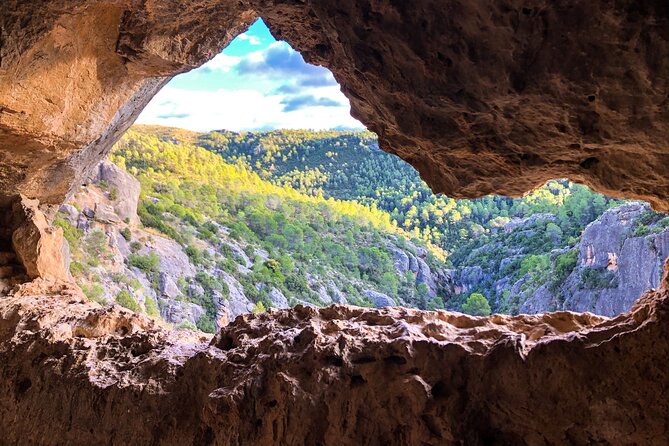
Then there are the ancient caves used during the Arabic era for food storage. These aren’t presented as random ruins; they’re framed as practical spaces tied to how people lived and managed supplies. Even without a museum-style setting, you feel the difference between walking on open trail and stepping into a story that was built for necessity.
After those stops, the walk shifts again through a stretch of eucalyptus trees, giving you a cooler, calmer feel. It’s the kind of switch that prevents the hike from becoming one long “same-same” grind.
Other Valencia outings that earned a spot in our notes
- Montanejos Hiking Tour & Thermal Pools from Valencia
★ 4.5 · 111 reviews - From Valencia: Cala del Moraig Hiking & Beach Trip
★ 4.8 · 107 reviews - From Valencia: Montanejos Tour with Guided Hike
★ 4.1 · 86 reviews - Hike Hanging Bridges and Canyon Túria – Chulilla – OFFICIAL GUIDE
★ 5.0 · 54 reviews
Picnic by the River: A Rest That Actually Helps
At a river-side break, you get a picnic lunch moment surrounded by nature. Lunch itself isn’t included in the tour price, but this stop is designed so you’re not rushing to find food later in a new town.
If you prefer to bring your own lunch (and you may want to if you have dietary needs), the route gives you a place to pause and eat at a comfortable pace. If you’d rather buy something, you can also use the Chelva stop later for an on-the-spot meal plan—but know that coffee/lunch in town is at your own cost.
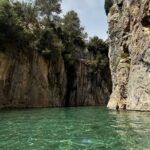
One review highlight calls out a swimming hole along the Ruta de agua where you can cool off. The tour doesn’t frame it as a must-do activity, but if you’re into a quick dip, it’s there as an option when conditions feel right.
Chelva: White Streets, Lavaderos, and the Main Plaza Pause
After the river section, the route brings you into Chelva, described as one of Spain’s most scenic white towns. Walking here changes the tempo again. Instead of focusing on trail features, you shift to streets, stone details, and small historic stops.
Chelva is known for the Ruta de los Lavaderos, a route with historic stone washhouses and fountains that locals once used for washing clothes. For me, this kind of stop hits hard because it’s ordinary life from the past—less about grand monuments, more about daily routines. It’s also a great contrast after the aqueduct and caves, since you’ve been dealing with water storage and water movement, and now you see water in a domestic setting.
You’ll also pause for a refreshing drink in the main Plaza. It’s a simple break, but it matters on a day where you’ve already walked a lot and you’ll still have the big aqueduct segment ahead.
Peña Cortada Aqueduct: The Crossing, the Tunnels, and the Views
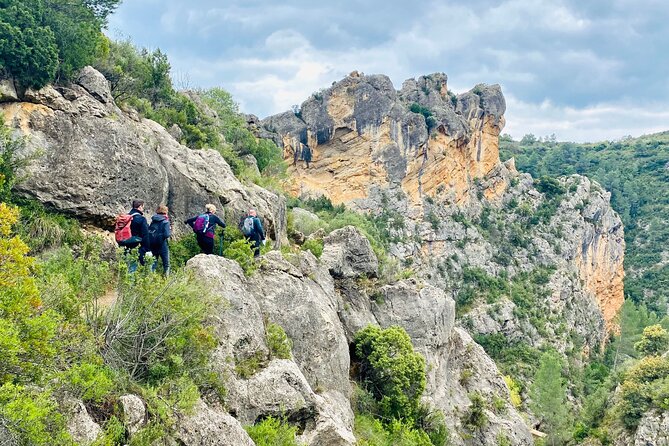
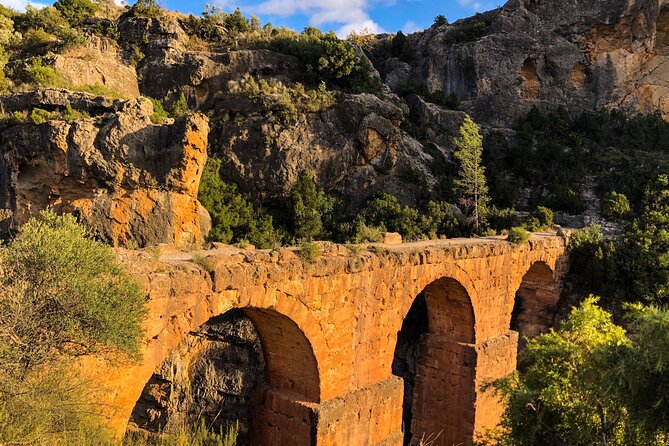
Then comes the day’s signature moment: Acueducto de la Peña Cortada.
As you head out from Chelva, you pass through olive groves and get views back toward town—a useful visual break because it lets you see where you’re coming from before the route tightens into the aqueduct area.
Depending on the season, you may also notice almond trees, and during breeding season the route is known for deer sightings. That’s not something you can guarantee on any outdoor day, but it’s a nice reminder that this isn’t only about ruins.
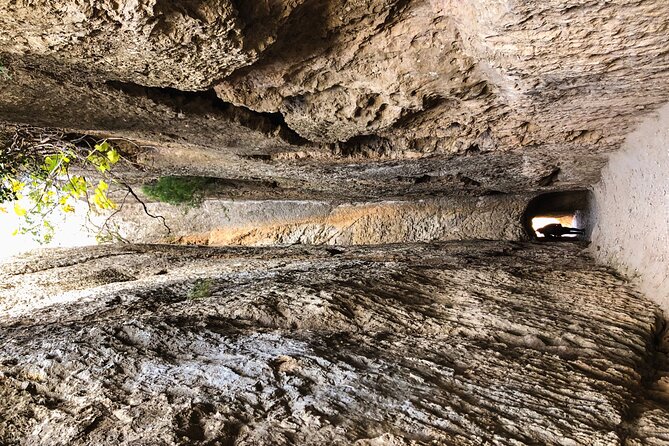
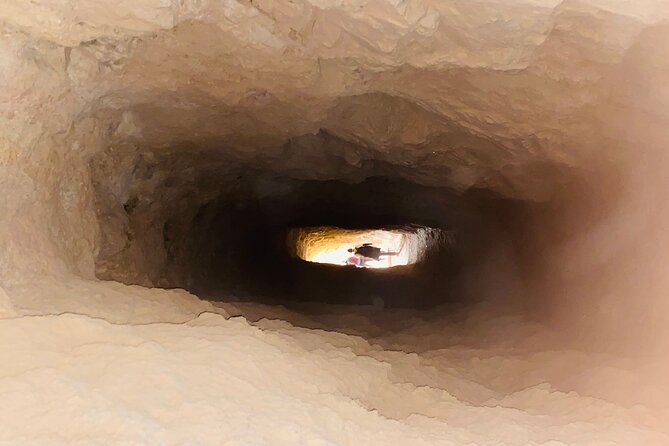
The aqueduct itself is described as breath-taking, including tunnels carved out of rock. The walk on the structure is also where the emotions show up. One review notes the crossing feels a bit scary, but not truly dangerous—partly because the path is wider than a sidewalk. If you’re afraid of heights, you may feel that quick spike of nervousness, but the practical point is: it’s not a narrow, exposed ledge.
From the aqueduct, the route descends through a ravine back toward Chelva. That last stretch is a good “close the loop” feeling: you get the big Roman moment, then return down through a more natural, canyon-like setting.
And yes, the total walking distance is about 10 miles / 16 km for the day, so plan the aqueduct crossing as a highlight—but also part of the workout.
Distance, Fitness, and What to Pack for 16 km
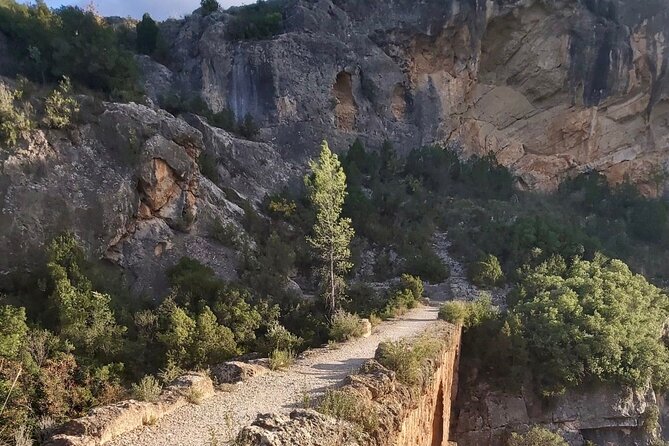
This tour is listed for travelers with moderate physical fitness. In practice, “moderate” here means you should expect a long walk with changing surfaces and some time outdoors without constant seating breaks.
To enjoy it, I’d pack for comfort and steadiness:
- Good hiking shoes with grip. Even if the route isn’t described as technical, the day is long and you’ll want confidence underfoot.
- Water and a few snacks in case you get hungry between stops. Lunch in the river break is set up as a picnic moment, but your actual meal plan is up to you.
- Sun protection (hat/sunglasses/sunscreen). The day runs when weather is good, and you’ll be outside through multiple ecosystems.
- Light layers for early morning and shaded river sections, since eucalyptus shade and canyon-like areas can feel cooler.
If you’re worried about the aqueduct crossing, treat that as a normal part of the day. The route is described as not dangerous because it’s wide, but your brain may react like it’s more exposed. Slow your pace, keep your eyes on stable footing, and use Howard’s guidance if you want reassurance.
Price and Value: What $108.02 Buys You
At $108.02 per person, this isn’t a quick stroll—it’s basically a full-day hike with transport, a guide, and structured stops.
Here’s what your money covers:
- Private air-conditioned transportation from Valencia and back
- English-guided hike
- Coffee and/or tea (included)
- The guided route through the aqueduct, river trail, and Chelva walking time
What you pay extra for:
- Lunch isn’t included. You can bring a picnic, or you can plan for options in Chelva (coffee/lunch there is at your own cost).
You also get a couple of “value multipliers” that aren’t just marketing: the group size cap of 8 travelers and the fact that Howard is actively shaping the day with explanations and pacing. In a small group, you’re more likely to get the kind of answers that make history stops feel real rather than just scenic photos.
If you’re looking for a day that feels like both a hike and a cultural walk, the price makes sense compared to piecing together separate transport, hiring a guide, and then paying for food on top.
Who Should Book This (and Who Might Not)
This tour is best for you if:
- you want a scenic hike with multiple “wow” moments, not just one main sight
- you like learning the story of water systems—Roman aqueducts, river use, and daily life in washhouses
- you’re comfortable walking about 10 miles / 16 km in a day
- you enjoy small-group pacing and a guide who keeps conversation going as you walk
You might skip it if:
- you don’t like long days outdoors or you struggle with steady walking distances
- heights make you panicky, since the aqueduct crossing may still feel unnerving even though it’s described as wider and not truly dangerous
- you need guaranteed catered meals, because lunch is not included (you’ll want your own plan)
Quick FAQ
FAQ
How long is the hike?
The experience runs for about 9 hours (approx.), including transport and time for the different stops.
How many people are in the group?
The tour has a maximum of 8 travelers, which keeps the hike easier to pace.
Is the tour offered in English?
Yes, it’s offered in English.
What’s included in the price?
You get private air-conditioned transportation, coffee and/or tea, and a guided hike with sightseeing stops.
Is lunch included?
No. Lunch isn’t included. You can bring a picnic, or you can plan for lunch/coffee in Chelva at your own cost.
Is there a coffee stop before the hike?
Yes. The day starts with a coffee/tea moment in Calles, and coffee/tea is included.
What fitness level do I need?
It’s designed for travelers with moderate physical fitness. Plan for a long walk, totaling about 10 miles / 16 km.
Is the aqueduct crossing dangerous?
The crossing may feel a bit scary, but it’s described as not really dangerous because the walkway is wider than a sidewalk.
What happens if the weather is bad?
This experience requires good weather. If it’s canceled due to poor conditions, you’ll be offered another date or a full refund.
Should I bring swim gear?
There’s a swimming hole on the Ruta de agua described in the experience, so if you like quick cooling-offs, you might bring something practical. The tour doesn’t list it as guaranteed, so use your judgment.
Final thought: Should you book this?
I’d book it if you want a day that mixes serious scenery with real water stories—Roman aqueduct engineering, river life along the Ruta del agua, and then Chelva’s historic washhouses. With Howard’s pacing and the small group size, it’s the kind of hike that feels organized without feeling stiff. Just treat it like a long walking day, bring sensible footwear, and plan your food so you don’t scramble at the last minute.
More Hiking & Trekking in Valencia
- Montanejos Hiking Tour & Thermal Pools from Valencia★ 4.5 · 111 reviews
- From Valencia: Cala del Moraig Hiking & Beach Trip★ 4.8 · 107 reviews
- From Valencia: Montanejos Tour with Guided Hike★ 4.1 · 86 reviews
- Hike Hanging Bridges and Canyon Túria – Chulilla – OFFICIAL GUIDE★ 5.0 · 54 reviews
- From Valencia: Hiking and Hanging Bridge Adventure in Chulilla★ 5.0 · 41 reviews
More Tour Reviews in Valencia
- Valencia: Oceanogràfic Entry Ticket★ 4.7 · 9,893 reviews
- Valencia: 24 or 48-Hour Hop-on Hop-off Bus Ticket★ 3.9 · 5,611 reviews
- Valencia: Sailing Catamaran Cruise with Sunset Option and DJ★ 4.1 · 4,270 reviews
- Valencia: Palosanto Flamenco Show Ticket★ 4.8 · 3,876 reviews
- Valencia Old Town Tour with Wine & Tapas in 11th Century Historic Monument★ 5.0 · 3,234 reviews
Boots On near Valencia
- Valencia: Epic Waterfalls and Montanejos Swimming Experience★ 4.8 · 837 reviews
- Adventures day: Thermal Springs and Waterfalls★ 5.0 · 521 reviews
- Valencia: Montanejos Thermal Spring & Girlfriend Waterfall★ 4.8 · 404 reviews
- From Valencia: Trip to Guadalest, Altea, and entry to the Algar Waterfalls★ 4.6 · 307 reviews
- Valencia: Jeep Safari Mountain Adventure★ 4.9 · 255 reviews
The newest Valencia reviews on our desk

Valencia Mountain Hikes, compared.
 ★ 4.8Epic Waterfalls and Montanejos Swimming ExperienceFrom $104837 reviews
 ★ 5.0Adventures day: Thermal Springs and WaterfallsFrom $107521 reviews
 ★ 4.8Montanejos Thermal Spring & Girlfriend WaterfallFrom $57404 reviews
 ★ 4.6Trip to Guadalest, Altea, and entry to the Algar WaterfallsFrom $58307 reviews
 ★ 4.9Jeep Safari Mountain AdventureFrom $141255 reviews
 ★ 4.5Montanejos Thermal Spring & Girlfriend WaterfallFrom $107182 reviews
 ★ 4.5Montanejos Hiking Tour & Thermal Pools from ValenciaFrom $59111 reviews
 ★ 4.8Cala del Moraig Hiking & Beach TripFrom $58107 reviews
Browse the lists this tour appears in