Reviewed · VALENCIA
Make Valencian ‘Pizza’ in Ruzafa
That beer-dough pizza moment is a great break from sightseeing. This 3-hour cooking experience in Ruzafa turns a local specialty into something you can actually repeat at home, with a market-based approach and a table meal you share right after the oven work.
Two things I really like about it: the start feels local (a vermut aperitif and shopping for ingredients in the neighborhood), and the food is built around seasonal produce rather than generic “class” ingredients. One thing to consider: you’re cooking and eating at a relaxed pace, so plan this for a day when you don’t need to sprint between sights.
In This Review
- Key highlights worth knowing
- Ruzafa cooking class: why this starts like a real day
- Meet the chef, get your hands ready, and start with vermut
- Coca: Valencia’s pizza-style dish with beer dough (and why that matters)
- Market-to-oven flow: what happens during each cooking stage
- Stop in Ruzafa: the shopping mindset
- Vermut aperitif and coca prep
- The oven stage: salad prep while coca bakes
- Dessert time: fresh fruit chosen for the moment
- The meal at the table: eating together is the point
- Price and value: is $72.09 worth a 3-hour food class?
- Timing and logistics: how this fits into a real Valencia day
- Practical tips before you go (so you enjoy it more)
- Who this is best for
- Should you book the Make Valencian Pizza in Ruzafa experience?
- FAQ
- What is the duration of the experience?
- Where does the experience start?
- How many people are in the group?
- Is it offered in English?
- What do you eat during the class?
- Is the coca vegetarian or vegan?
- Are drinks included?
- Is soda included?
- Do you return to the meeting point afterward?
- Is there free cancellation?
Key highlights worth knowing
- Coca, the Valencian pizza-style dish: beer dough, crispy base, and topped with seasonal vegetables
- Vermut aperitif at the start: vermouth with olives keeps the energy warm while you cook
- Seasonal salad while the oven works: you use that time to prep fresh sides
- Simple, market-chosen fruit dessert: easy to understand and not overly fussy
- Small group (max 6): more hands-on attention and better conversation
- End back where you started: it’s designed so your afternoon stays flexible
Ruzafa cooking class: why this starts like a real day
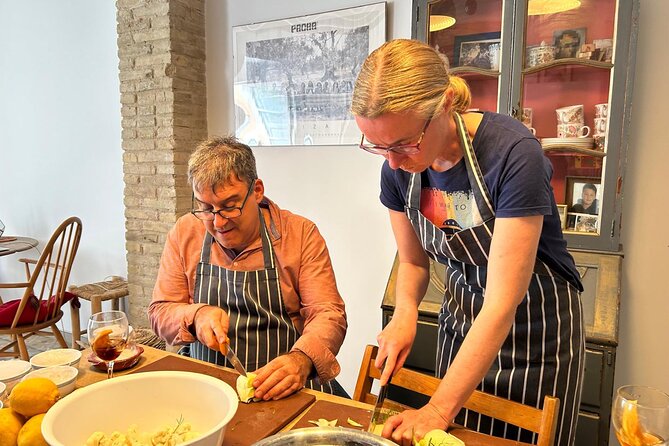
Valencia has plenty of food tours, but this one is shaped more like a neighborhood kitchen routine. You begin at Carrer de Buenos Aires in Ruzafa area, and the flow is simple: show up, meet the chef, wash up, and get aprons on before anything goes near the dough.
What makes this feel authentic is that the experience is built around ingredients you select, not just a pre-planned lesson. The tour mentions ingredients being chosen at the market, and that matters because you’ll learn the logic behind the dish. In other words, you’re not only memorizing a recipe—you’re learning how to think about vegetables and timing when you’re cooking in your own kitchen later.
You’ll also be working with a local host: Morven Lindsay Chef. She’s the kind of guide who’s happy to share context (like where the flavors come from and why this style of cooking fits Valencia), not just give directions and move on. And since the group size is capped at six, you can actually ask questions without feeling like you’re in a classroom queue.
Before you settle on this one, set it against the Valencia tours our readers rate highest.


Meet the chef, get your hands ready, and start with vermut

Before you cook, you’ll do the unglamorous but important part: wash your hands and get set up with aprons. This is one of those details that sounds basic, but it signals the right mood. You’re not rushing; you’re preparing properly, like a host would expect when someone’s coming to help cook.
Then comes the vermouth aperitif, served as part of the starter. The menu specifically lists a typical Valencian aperitif with olives. It’s a smart warm-up. Vermut sets the rhythm for the meal—slightly bitter, aromatic, and very Valencia—so the class doesn’t feel detached from eating culture.
If you’re the type who likes learning by doing, this start works. You get a taste of what you’re about to pair with your own food, and it makes the cooking feel like a step toward lunch, not an activity that happens before lunch.
Coca: Valencia’s pizza-style dish with beer dough (and why that matters)
The star here is coca—Valencian-style “pizza,” but with its own personality. The course describes it as a typical beer-dough base with a homemade crispy texture, topped with seasonal vegetables.
Here’s why I think this is genuinely valuable: most “make pizza” classes teach you generic dough and toppings. Coca teaches a local version of the same idea. Even if you never cook it again, you’ll come away with a clearer sense of how Valencia handles dough, crunch, and topping balance.
The tour also notes that the coca is naturally vegan. That’s a useful detail if you’re traveling with dietary needs. It’s not presented as a special substitution; it’s built into the dish. And since the topping is seasonal vegetables, you can treat the recipe as a template—swap in what’s good when you’re home.
If you like understanding the method, this is the kind of class where you can ask how the dough behaves and how the toppings should be arranged. The goal is that you can try the techniques at home, not just enjoy one meal in Valencia.
Market-to-oven flow: what happens during each cooking stage
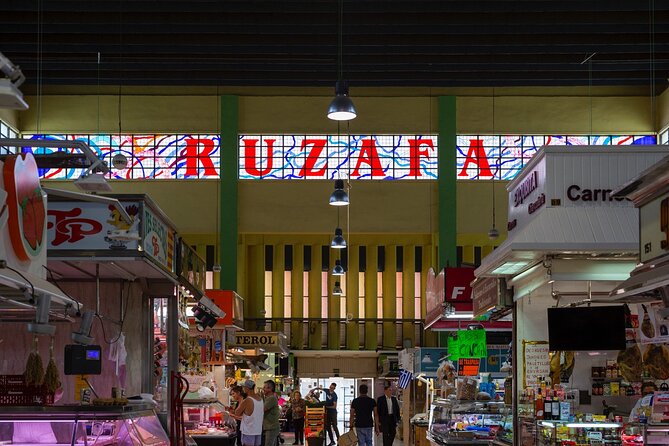
Once you’ve got your ingredients and your hands are ready, the class moves in an easy, logical sequence.
- Valencia: Oceanogràfic Entry Ticket
★ 4.7 · 9,893 reviews - Valencia: 24 or 48-Hour Hop-on Hop-off Bus Ticket
★ 3.9 · 5,611 reviews - Valencia: Sailing Catamaran Cruise with Sunset Option and DJ
★ 4.1 · 4,270 reviews - Valencia: Palosanto Flamenco Show Ticket
★ 4.8 · 3,876 reviews
Stop in Ruzafa: the shopping mindset
You start in Ruzafa and the experience includes choosing ingredients at the market. That gives you a realistic sense of what to buy for a seasonal-topping coca: vegetables that are in good condition, and produce that actually tastes like it’s from Valencia.
This is also where you get the practical “how to build flavors” lesson. You’ll hear plenty of talk along the way—about produce, where to eat and drink, and local food history—because the kitchen isn’t isolated from the city.
Vermut aperitif and coca prep
While you’re cooking, you’ll prepare the coca with the dough and toppings approach described in the menu. You’ll also make your own vermut aperitivo and try it while you work, which helps the class stay social and not overly rigid.
A small but smart point: working while you taste makes you pay attention to how flavors change your cooking mood. If the aperitif is bright and aromatic, you tend to notice herbs, acidity, and seasoning more clearly while arranging toppings.
The oven stage: salad prep while coca bakes
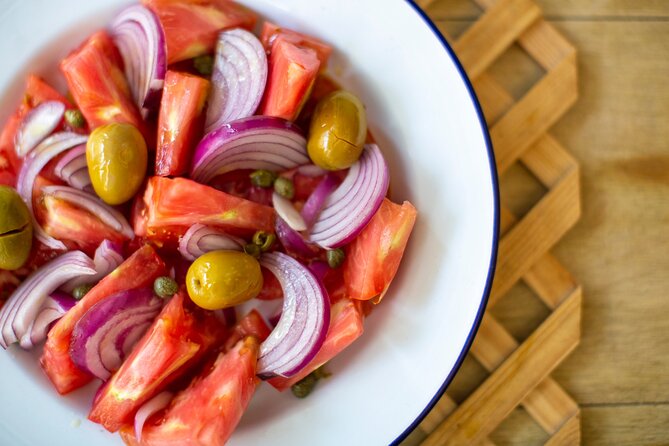
While the coca is in the oven, you don’t just sit around waiting. You’ll prepare a seasonal salad with fresh, market-chosen ingredients and crunchy garnishes.
This is a great use of time. It keeps the class moving, and it also helps you learn a second skill: pairing a warm, crispy bread with something cool and crisp. That balance is one of the secrets of why simple food tastes satisfying.
Dessert time: fresh fruit chosen for the moment
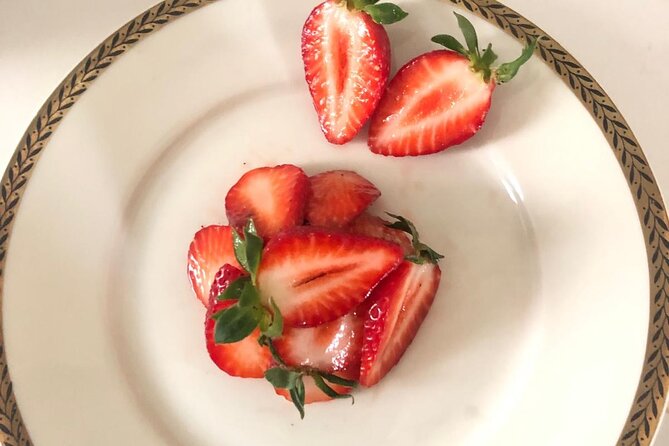
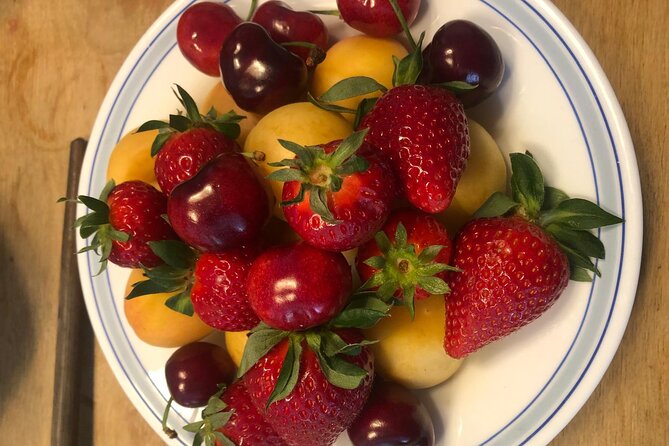
Dessert is fresh fruit, selected for freshness at the market and served in a sumptious way. I like this approach because it’s both light and educational. You learn that dessert doesn’t have to be a heavy, sweet finale to feel complete after a meal.
If you enjoy food that’s seasonal by default, you’ll probably appreciate how straightforward this is. There’s no pressure to be a pastry person on your vacation.
The meal at the table: eating together is the point
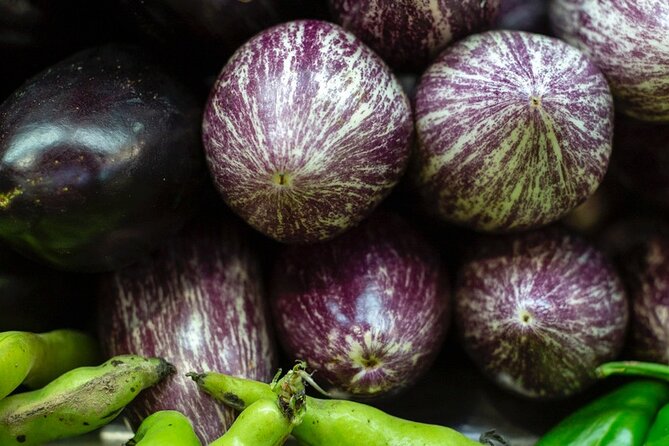
Once the coca and sides are ready, everyone sits down to share the food. You’ll eat the meal you prepared together with local beer or wine. That detail matters because it links cooking to the full Valencian eating experience: bread, vegetables, salad freshness, and a drink that fits the rhythm of lunch.
This is also where conversation naturally happens. The experience is designed for chatting about:
- the seasonal produce you’re cooking with
- where to eat and drink in Valencia
- history and context around Valencian cuisine
Because the group is small, you’re more likely to have real back-and-forth rather than polite nodding. And for many people, that social side is the best part. When you’re mixing dough, arranging toppings, and passing ingredients, it’s easier to relax and bond.
Price and value: is $72.09 worth a 3-hour food class?
At $72.09 per person for about 3 hours, you’re paying for three things at once:
- a hands-on cooking lesson (not just watching)
- a full lunch meal: starter, main, salad, dessert
- local beverages with the meal (beer or wine), plus a vermut aperitif earlier
In plain terms, it’s not a cheap snack activity. But it’s also not just a single dish experience. You’re getting an entire lunch structure, and the ingredients are tied to what’s fresh right now in Valencia.
The “value” angle for me is the learning transfer. You’re taught a local dish—coca—and you’re encouraged to try techniques at home. If you’re the kind of traveler who likes to leave with a repeatable skill, the price starts to make sense. If you only want a quick taste and photos, you might feel the cost more than the payoff.
Timing and logistics: how this fits into a real Valencia day
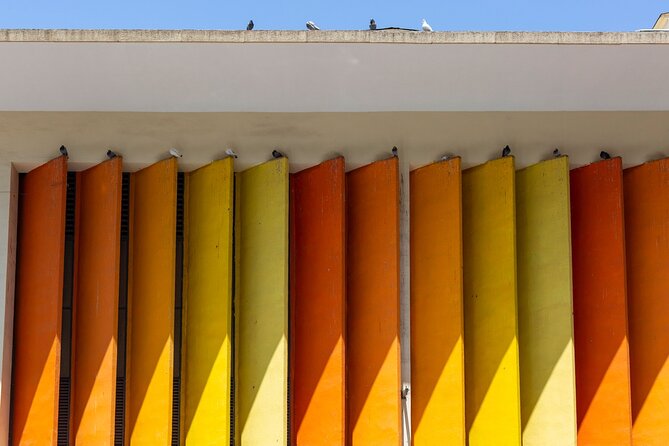
The class runs about 3 hours, and the important promise is that it doesn’t swallow your day. The rest of your afternoon is free, which helps if you’re planning to explore the city’s sights afterward.
The experience ends back at the meeting point, so you don’t have to solve a transportation puzzle. It’s also described as being near public transportation, which makes it easier if you’re moving around the city by metro/tram/bus.
Language-wise, it’s offered in English, and that’s a major quality-of-life detail for cooking classes. Food instruction is easier when you can follow steps and ask questions clearly.
Group size matters here too. A max of six means you’ll spend less time waiting for your turn and more time learning what the dough and toppings should look like as you work.
Practical tips before you go (so you enjoy it more)
Here are the small things that usually make or break a food class experience:
- Wear closed-toe shoes. You might be standing, moving around the kitchen, and handling ingredients.
- If you have dietary needs, ask directly. The coca is naturally vegan and dessert is fruit, but you’ll still want to confirm how everything is handled for your situation.
- Come hungry. The lunch includes starter, coca, salad, and dessert, plus drinks.
- Bring a curious mindset, not just an empty stomach. You’ll get more from the story of Valencian cuisine when you engage, even casually.
- If soda is your default drink at meals, note that it’s not included unless specifically asked.
Who this is best for
This works especially well if you:
- like hands-on experiences more than museum-style touring
- enjoy learning regional food logic (not just following a recipe)
- want a social meal that feels local, with real conversation at the table
- travel with friends or solo but still want a small-group vibe
It’s also a good choice if you’re already spending time in central Valencia and want your break from sightseeing to feel useful and different.
If you’re in a hurry every day, this might feel like too much “sit-and-cook.” But if you want a calmer, tastier slice of the city, it’s a solid fit.
Should you book the Make Valencian Pizza in Ruzafa experience?
I’d book it if you want a local, hands-on Valencia lunch built around coca, seasonal vegetables, and a shared table meal. The price is reasonable for what you get because you’re not paying for entertainment alone—you’re paying for a structured cooking skill plus a full lunch with drinks.
I’d hesitate only if you’re budget-tight and mostly want a quick bite, or if cooking steps aren’t your thing. But for most food travelers, this hits the sweet spot: practical skills, local context, and a meal you helped make.
If your goal is to leave Valencia with something more than a photo and a memory—like a dough-topping approach you can try again—this experience is one of the better “time well spent” options in town.
FAQ
What is the duration of the experience?
It lasts about 3 hours.
Where does the experience start?
It starts at Carrer de Buenos Aires (C/ de Buenos Aires, L’Eixample, 46006 València, Valencia, Spain).
How many people are in the group?
The activity has a maximum of 6 travelers.
Is it offered in English?
Yes, the experience is offered in English.
What do you eat during the class?
You’ll have a vermouth aperitif with olives, then coca with seasonal salad, and fresh fruit for dessert.
Is the coca vegetarian or vegan?
The coca is naturally vegan.
Are drinks included?
Yes. You’ll enjoy local beer or wine with the meal, and there is a vermut aperitif as part of the start.
Is soda included?
No soda is included unless you specifically ask for it.
Do you return to the meeting point afterward?
Yes, the activity ends back at the meeting point.
Is there free cancellation?
Yes, you can cancel up to 24 hours in advance for a full refund.
More Tour Reviews in Valencia
- Valencia: Oceanogràfic Entry Ticket★ 4.7 · 9,893 reviews
- Valencia: 24 or 48-Hour Hop-on Hop-off Bus Ticket★ 3.9 · 5,611 reviews
- Valencia: Sailing Catamaran Cruise with Sunset Option and DJ★ 4.1 · 4,270 reviews
- Valencia: Palosanto Flamenco Show Ticket★ 4.8 · 3,876 reviews
- Valencia Old Town Tour with Wine & Tapas in 11th Century Historic Monument★ 5.0 · 3,234 reviews