
Reviewed · VALENCIA WALKING TOURS
Valencia: Essentials and World Heritages Sites Walking Tour
Valencia’s old town tells a story fast. This 2-hour walk strings together Valencia’s past and living traditions, with a special emphasis on the city’s UNESCO World Heritage connections.
I love two things most: you get inside Lonja de la Seda (Silk Exchange), and you also visit City Hall for the official civic layer behind the streets. Both entries turn what looks impressive from the outside into something you understand.
One thing to plan for: the Silk Exchange can close for events on the day of your visit. If that happens, the operator offers a workaround by sending tickets for later entry or exchanging them for another monument ticket of the same value.
In This Review
- Key highlights worth the time
- The smart way to start Valencia: UNESCO in two hours
- Where you meet: Estación del Norte’s Tourism Hub by Xàtiva
- Lonja de la Seda: stepping inside the Silk Exchange
- UNESCO triple: Tribunal de las Aguas and what Fallas really means
- Tribunal de las Aguas (Water Tribunal)
- Fallas festival (ephemeral art, fire, fireworks)
- City Hall (Ayuntamiento): why civic power belongs on your route
- The pacing: short walks, good stops, and guides who manage the group
- Getting value from $21: what’s included and why that matters
- What to do after: use the tour like a map, not a finish line
- Who this tour fits best
- Should you book this Valencia World Heritage walking tour?
- FAQ
- Where is the meeting point for this walking tour?
- How long is the Valencia Essentials and World Heritages Sites Walking Tour?
- What’s included in the price?
- Is the tour in English?
- What if Lonja de la Seda is closed during my visit?
- When does the City Hall portion run?
- Is the tour wheelchair accessible?
Key highlights worth the time
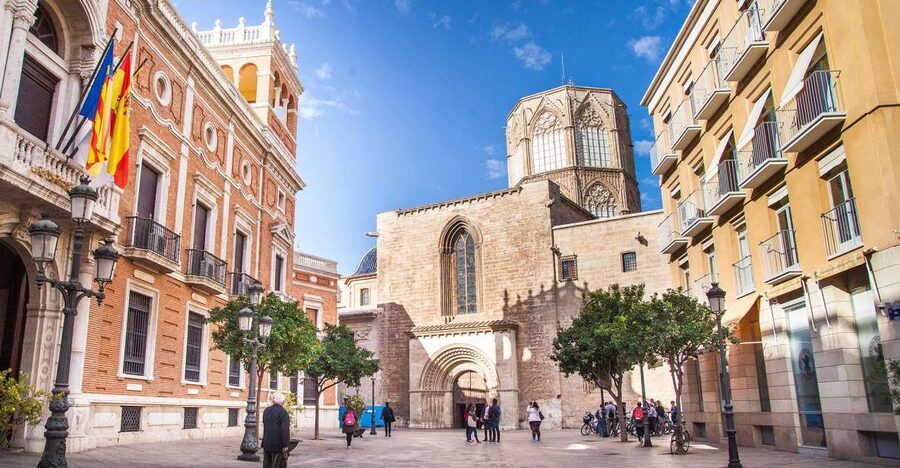
- Lonja de la Seda entry: you see the Silk Exchange as a real working symbol of trade, not a photo spot
- UNESCO focus: you connect the dots between the Silk Exchange, Tribunal de las Aguas, and Fallas
- City Hall (Ayuntamiento): guided access on working days adds context you won’t get from a quick sightseeing loop
- Bilingual-style local guiding: guides like Gabor, Maria, and Sara bring the city to life with clear English
- Easy pacing for a walking tour: reviews call out minimal walking and good comfort for most ages
The smart way to start Valencia: UNESCO in two hours
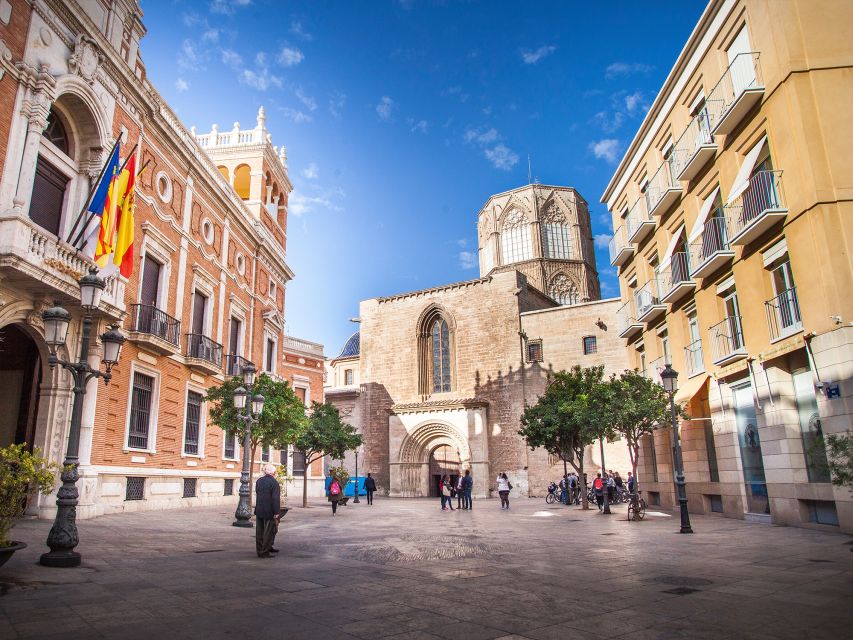
If you only have one morning (or one afternoon) to get your bearings, this type of tour is a fast shortcut. You walk through the historic center and come away with a clear mental map of why Valencia matters: trade, water, and festival culture all shaped the city.
The UNESCO angle is the key. You’re not just looking at landmarks; you’re learning how three separate World Heritage elements connect to Valencia’s identity—especially through the stories you hear as you move from site to site.
And yes, the pace is designed for a real walking experience without turning into a long endurance event. Multiple guides—like Maria, Sara, and Gabor—are praised for keeping things friendly and at a good rhythm, so you can ask questions instead of just following along.
Walkers who read this review also pulled up these Valencia routes
Where you meet: Estación del Norte’s Tourism Hub by Xàtiva
You’ll start at the Tourism Hub at Estación del Norte (north station), specifically the West Tower on the right-hand side when facing the station. It’s on the ground floor at Carrer de Xàtiva, 24, and the nearby metro stop is Xàtiva.
This matters more than it sounds. A station meeting point makes it easier to sync with your hotel location or travel plans. Also, arriving a few minutes early helps—stations are busy, and you want time to find the exact desk and group.
If you’re coming by foot, I’d aim for a calm arrival. You’ll begin the walk with historical context and key transitions between areas, so starting on time keeps the flow.
Lonja de la Seda: stepping inside the Silk Exchange
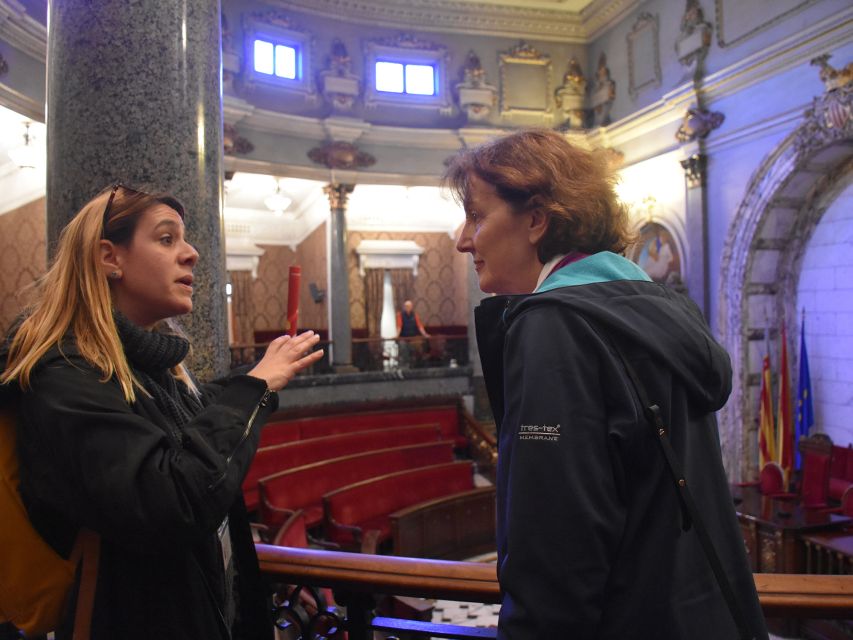
The headline stop is Lonja de la Seda (Silk Exchange), and the fact that you enter is the difference between seeing a building and understanding a system. Valencia’s silk trade wasn’t just about luxury—it was about rules, contracts, and connections. The site’s design supports that idea, and your guide brings the meaning forward as you walk through.
You’ll also appreciate that the entrance is included (when open), because it saves you from the classic problem of arriving to a closed-door monument. On some days, events can affect entry, which leads to the operator’s fallback plan: they’ll offer options such as sending tickets for afternoon self-entry or exchanging for another museum/monument ticket of the same amount.
What I like about tours that include Lonja is the way they prevent you from treating UNESCO as a checklist item. Instead, you learn what to look for—why particular spaces exist, and how the economy shaped the city around it.
UNESCO triple: Tribunal de las Aguas and what Fallas really means
After Lonja, the tour’s UNESCO emphasis shifts from physical architecture to living tradition—especially two major cultural threads:
First visit? These are the Valencia intros we lined up against each other
- Valencia: City Highlights Guided Bike Tour
★ 4.7 · 2,373 reviews - Valencia: Essentials and World Heritages Sites Walking Tour
★ 4.7 · 684 reviews - Valencia: Top 25 Highlights Guided Bike Tour
★ 4.8 · 644 reviews - Valencia Bike Tours: City Highlights
★ 4.9 · 450 reviews
Tribunal de las Aguas (Water Tribunal)
The Tribunal de las Aguas is one of those Valencia traditions that sounds like a story until a guide explains how it works in daily life. Your guide ties it back to Valencia’s water management culture, which is one of the reasons Valencia has survived and grown where other cities struggled.
The value here is simple: you stop treating Valencia as just a pretty old town. You start seeing it as a city with systems that still function.
Fallas festival (ephemeral art, fire, fireworks)
The tour also introduces Fallas, the annual festival built around temporary artwork, fire, and fireworks. The point isn’t to watch the show from afar; it’s to understand the cultural logic behind it—how celebration becomes community storytelling.
If you time your trip well, Fallas can be the most memorable experience of Valencia. Even if you’re not there during the festival season, having this context makes everything you see later click faster.
City Hall (Ayuntamiento): why civic power belongs on your route

The tour includes an entrance to City Hall (Ayuntamiento), according to opening times. Your guide helps connect the civic space to what you’ve been learning outside—trade, governance, and the public life that grows around economic strength.
One practical note: the City Hall guided visit is scheduled on working days, except if an official event is taking place. So if your trip lands on a day with unusual civic activity, expect that the tour may have to follow the day’s rules for access.
In my view, this is one of those stops that pays off if you want more than postcard architecture. You get the feeling of how decisions got made and why certain buildings gained authority over time.
The pacing: short walks, good stops, and guides who manage the group
This is a walking tour, but it doesn’t try to be a marathon. Reviews specifically call out minimal walking / not too far distances, which makes it a good choice if you’re traveling with kids, older relatives, or simply if you want to conserve energy for the rest of your day.
Guides get credit for practical crowd management too. One reviewer noted that the guide found shady areas to stand in during breaks, which is exactly what you want when Valencia weather turns warm.
Also, you’ll often get a small-group feel. One review described only two other people in the group, which matters because you can ask follow-up questions without being rushed. Even in larger groups, guides like Gabor and Maria are praised for keeping a conversational tone and a pace that works.
Getting value from $21: what’s included and why that matters
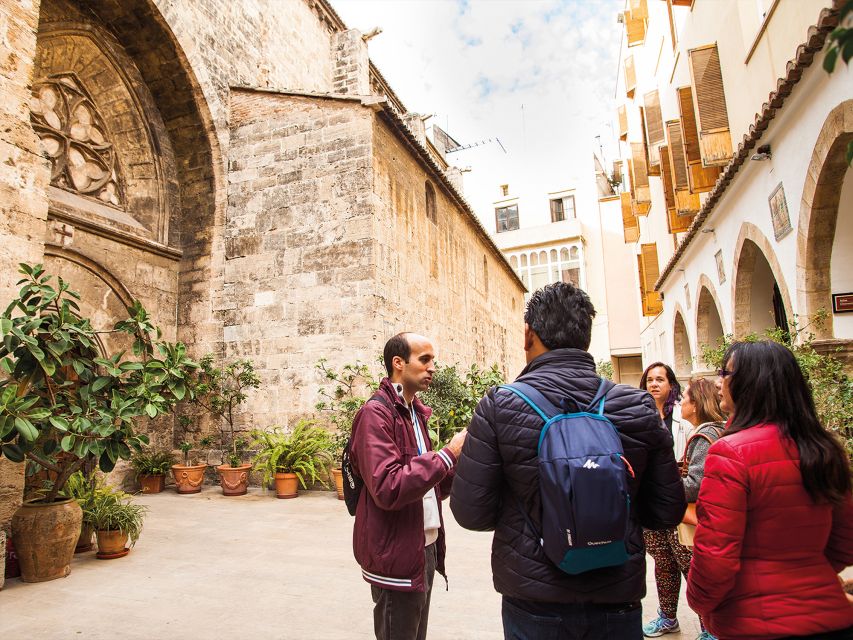
At $21 per person for a 2-hour guided walk, the value comes from two included entrances: Lonja de la Seda and City Hall. Add in the guide time, and you’re paying for interpretation—the part you can’t buy back once you’ve walked past a monument.
If you tried to DIY this route, you’d still spend time figuring out where to go, how long entry lines might take, and what you should be noticing. With a guide, you turn those stops into a story you can repeat later as you explore on your own.
And because the tour focuses on UNESCO sites plus the festival and water tradition context, you get more meaning per hour than a generic old-town loop.
What to do after: use the tour like a map, not a finish line
A good guiding session should do two things: teach you what matters, and point you toward your next good choice. Many guides in this tour’s reviews do that second part well, with restaurant and sight recommendations that feel local rather than generic.
For example, one reviewer said Gabor recommended Armonia for Valencian paella and that it was among the best they’d had. That kind of tip is worth its weight if you’re hungry later and don’t want to gamble.
Right after the tour, I’d do three simple things:
- Pick one UNESCO-related theme to chase next (trade, water, or Fallas culture)
- Ask your guide for one follow-up stop you can walk to on your own
- Keep your ticketing backup plan in mind in case Lonja entry was affected that day
You’ll get more out of the rest of your Valencia days because you’ll know what you’re looking for.
Who this tour fits best
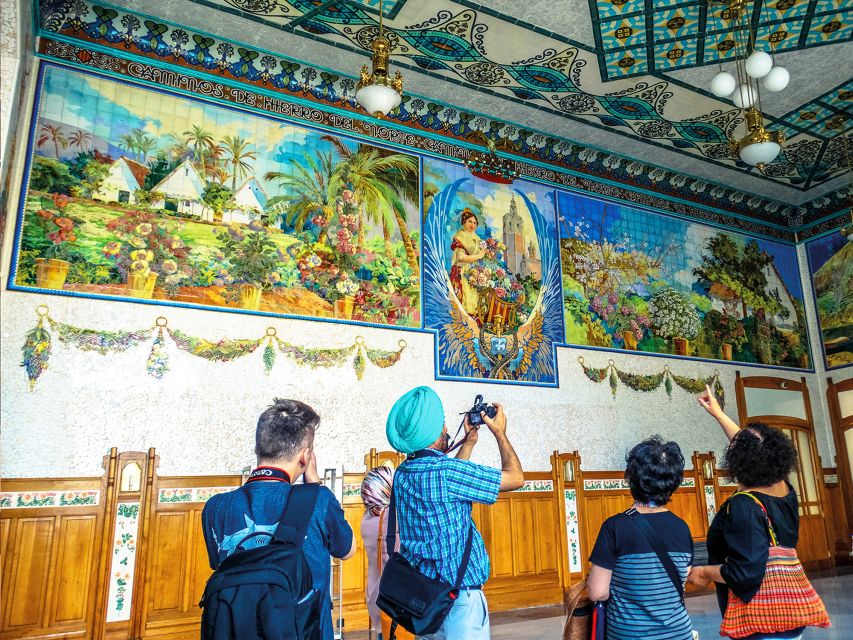
This is a strong pick if:
- You want a first-day orientation in Valencia’s historic center
- You care about UNESCO World Heritage and want the stories behind the list
- You prefer guided context over wandering with a map app
- You want a manageable walking plan (reviews describe minimal distances)
It may be less ideal if you’re the type who wants to spend hours inside just one monument. This tour is built to connect sites and ideas quickly, not to linger for long museum-style sessions.
Should you book this Valencia World Heritage walking tour?
Yes, if your goal is to learn the city’s core ideas in a short amount of time. For $21, you’re not just buying a guide; you’re getting entrance access plus the meaning behind three UNESCO-linked themes: Lonja de la Seda, the Tribunal de las Aguas tradition, and Fallas culture.
Book it early in your trip if you can. Multiple reviews specifically praise guides for helping you get your bearings fast and for recommending what to do next, which is exactly the kind of payoff you want from a “starter” tour.
FAQ
Where is the meeting point for this walking tour?
You meet at the Tourism Hub inside Estación del Norte (north station). Look for the West Tower on the right-hand side when facing the station, at ground floor, Carrer de Xàtiva, 24. The nearby metro station is Xàtiva.
How long is the Valencia Essentials and World Heritages Sites Walking Tour?
The tour lasts 2 hours.
What’s included in the price?
The price includes the tour guide plus entrance fees to Lonja de la Seda and City Hall, based on monument opening.
Is the tour in English?
Yes, the live tour guide is listed as English.
What if Lonja de la Seda is closed during my visit?
If the Silk Exchange is closed due to an event during your visit, you’ll be offered a workaround: either tickets are sent so you can enter in the afternoon by yourself, or tickets can be exchanged for another museum/monument of the same value.
When does the City Hall portion run?
The guided visit to City Hall is scheduled on working days, except if an official event is taking place.
Is the tour wheelchair accessible?
Yes, the tour is listed as wheelchair accessible.
More Tour Reviews in Valencia
- Valencia: Oceanogràfic Entry Ticket★ 4.7 · 9,893 reviews
- Valencia: 24 or 48-Hour Hop-on Hop-off Bus Ticket★ 3.9 · 5,611 reviews
- Valencia: Sailing Catamaran Cruise with Sunset Option and DJ★ 4.1 · 4,270 reviews
- Valencia: Palosanto Flamenco Show Ticket★ 4.8 · 3,876 reviews
- Valencia Old Town Tour with Wine & Tapas in 11th Century Historic Monument★ 5.0 · 3,234 reviews
The Whole City in One Go
- Valencia: City Highlights Guided Bike Tour★ 4.7 · 2,373 reviews
- Valencia: Top 25 Highlights Guided Bike Tour★ 4.8 · 644 reviews
- Valencia Bike Tours: City Highlights★ 4.9 · 450 reviews
- Valencia: 2-hour City Highlights Guided Tour by Tuk Tuk★ 4.5 · 388 reviews
- Essentials of Valencia and its World Heritage Sites★ 4.5 · 350 reviews
Valencia at Walking Pace
- Valencia: Historical Walking Tour★ 4.6 · 390 reviews
- Valencia: Private Walking Tour with a Local★ 4.8 · 298 reviews
- Valencia: City Walking Tour with Top Attractions – ITALIAN★ 4.9 · 242 reviews
- Discover Valencia: Guided Walking Tour★ 4.9 · 211 reviews
- Valencia Private Walking Tour with Official Valencian Guide★ 5.0 · 176 reviews
The newest Valencia reviews on our desk




Valencia Walking Tours, compared.
 ★ 4.6Historical Walking TourFrom $17390 reviews
 ★ 4.8Private Walking Tour with a LocalFrom $56298 reviews
 ★ 4.9City Walking Tour with Top Attractions – ITALIANFrom $17242 reviews
 ★ 4.9Discover Valencia: Guided Walking TourFrom $18211 reviews
 ★ 5.0Valencia Private Walking Tour with Official Valencian GuideFrom $127176 reviews
 ★ 4.5The 10 Tastings of Valencia With Locals: Private Food Walking TourFrom $152119 reviews
 ★ 4.6Fallas Festival Walking Tour with Entry TicketFrom $4686 reviews
 ★ 4.9Private 4-Hour Walking Tour of the Old TownFrom $39454 reviews
Browse the lists this tour appears in