
Reviewed · OCEANOGRàFIC, BIOPARC & MUSEUMS
Valencia: Hortensia Herrero Art Center Ticket or Guided Tour
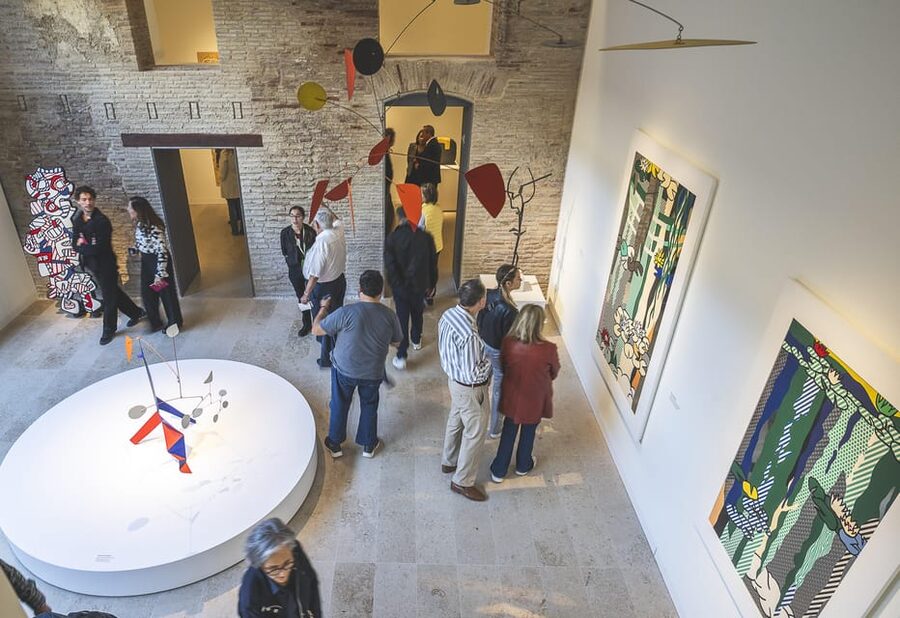
Contemporary art in ancient walls. The Hortensia Herrero Art Center turns Valencia’s Valeriola Palace into a gallery maze, with 17 exhibition spaces spread across two four-story buildings. You can go on your own with a ticket or choose a guided tour for help making sense of the mix of art, architecture, and archaeology.
I love the way the setting changes how you read the art—wooden beams, ceramic masonry, and older structures frame the contemporary works. I also like spotting major names such as Andreas Gursky and Anselm Kiefer (plus other international artists) while you move through spaces built for their own stories. The main drawback to consider is time: at about 1.5 hours, you’ll need to pick your favorites, because this place is big enough that not every piece will get the attention it deserves.
In This Review
- Key highlights worth planning for
- Why the Valeriola Palace is the star of the show
- Contemporary heavyweights and the “made for this place” factor
- What 1.5 hours really means here (and how to not miss the best parts)
- Ancient Valencia detours: Roman circus, Jewish quarter alley, and more
- Guided tour vs entry ticket: which option fits your style
- Price and value: is $14 worth it?
- Practical tips for your visit (so the clock doesn’t beat you)
- Who should book this art-and-archaeology stop?
- Should you book the Hortensia Herrero Art Center ticket or guided tour?
- FAQ
- What is the Hortensia Herrero Art Center experience?
- How long does the visit take?
- How much does it cost?
- What’s included with the guided tour?
- Do I need to book a guided tour or can I just buy a ticket?
- What languages are available?
- Is the site wheelchair accessible?
- What famous artists can I expect to see?
- Is there a cancellation policy?
- Can I reserve now and pay later?
Key highlights worth planning for
- Valeriola Palace layout: Two connected four-story buildings with 17 exhibition spaces across 3,500 square meters
- Art + old structures together: Contemporary works staged alongside original architectural details like wooden beams and ceramic masonry
- Big-name contemporary art: Works linked to artists including Andreas Gursky, Anselm Kiefer, and Georg Baselitz
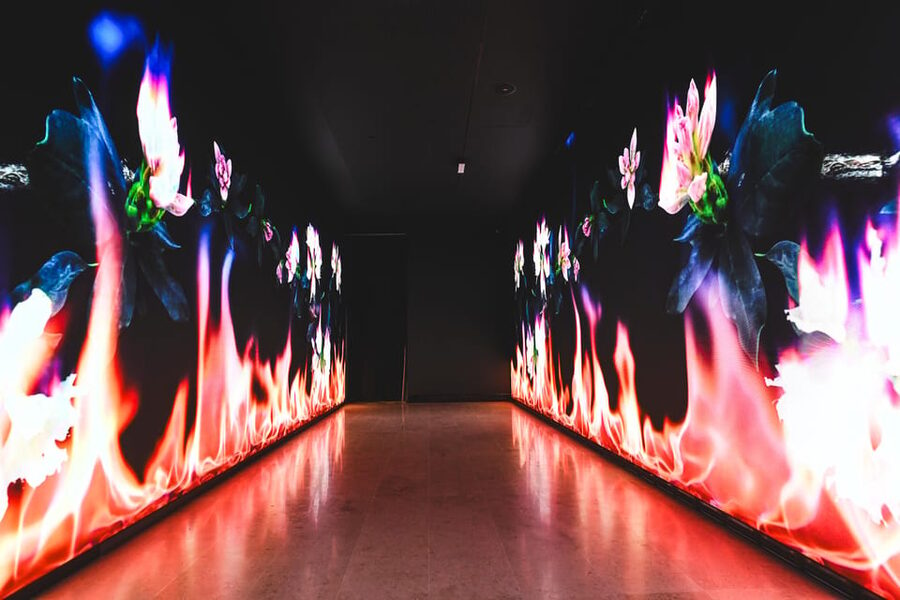
- Immersive forms of media: Multimedia artworks and pieces created for the palace spaces
- Archaeology you can walk past: Remains tied to Valencia’s Roman circus, an alley from the ancient Jewish quarter, a Medieval oven, and an Islamic fountain
Why the Valeriola Palace is the star of the show
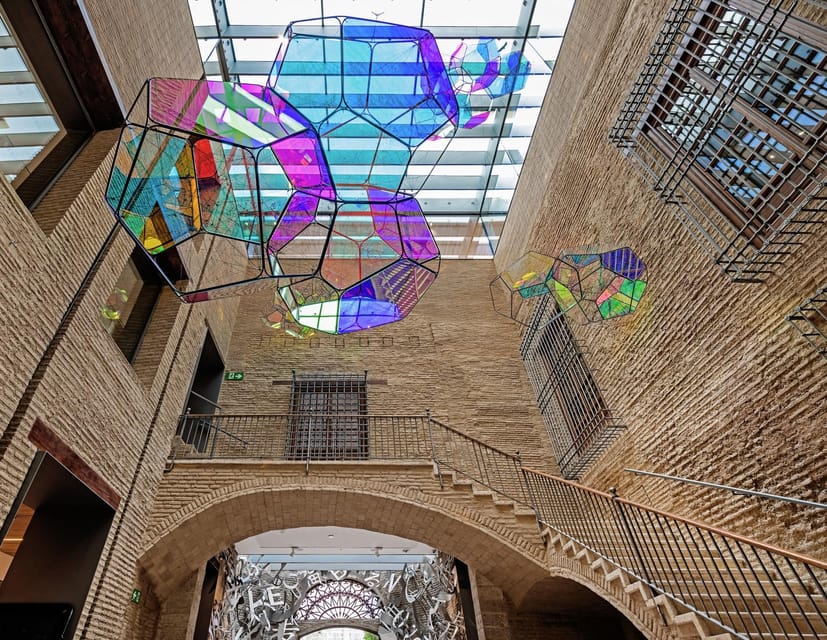
If you only like museums that feel like white boxes, this won’t be your usual experience. The Hortensia Herrero Art Center is housed in the Valeriola Palace, and the building’s own age is part of the show. Even before you focus on any artwork, you’re surrounded by original structure—especially in the main hall, where you can see the original wooden beams and ceramic masonry.
That matters because the art here isn’t floating in isolation. You’re watching contemporary pieces sit inside a living architectural shell. Think of it as learning a new language while using an old library as your classroom: the contrast is the point. The palace is also in Valencia’s historic center, so the site already feels like you’re stepping into a layered city, not just entering a standalone attraction.
The building setup helps too. The center spreads across two four-story buildings, which means you’ll keep shifting levels and sightlines. In other words, you’re not stuck with one long corridor and a predictable loop.
Sharks, gorillas or optical tricks: other Valencia tickets we compared
Contemporary heavyweights and the “made for this place” factor
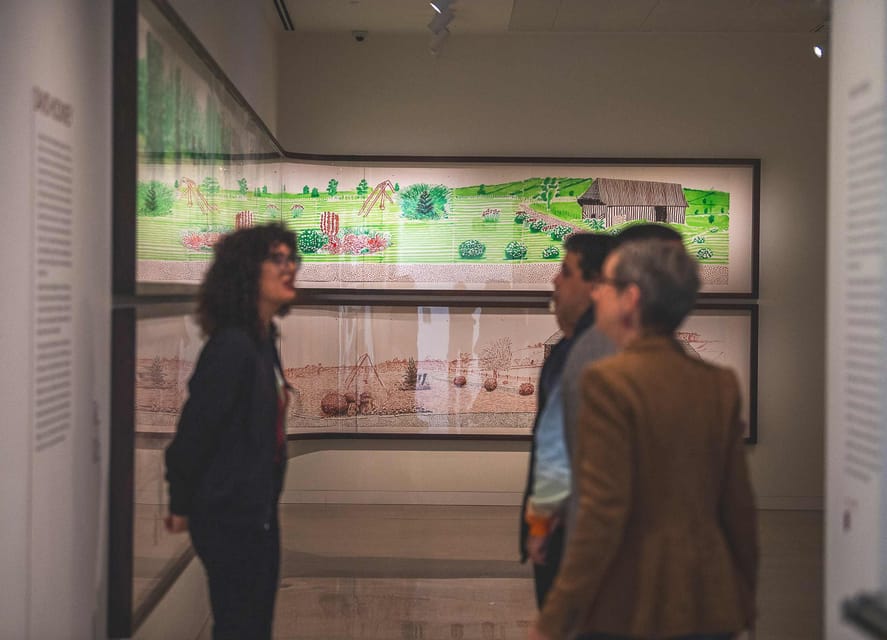
The art list is a big part of the draw. You’ll see works associated with artists such as Andreas Gursky, Anselm Kiefer, and Georg Baselitz. Those names alone can justify a quick visit if you’re curious how their ideas land in a palace setting.
But the more useful angle for planning is how the collection interacts with the rooms. The center includes multimedia artworks and pieces made for specific palace spaces, not just works installed in a generic way. That’s why a guided tour can feel more valuable than you might expect: the “why” behind placement often makes the work easier to read.
You’ll also find a private collection tied to Hortensia Herrero, which includes work by internationally known artists like Tomás Saraceno, Jaume Plensa, Olafur Eliasson, Cristina Iglesias, Sean Scully, and Mat Collishaw. If you already follow contemporary art, you’ll likely recognize at least a couple of those names. If you don’t, that’s fine too—your job is simply to look closely at how each work behaves inside each room.
The center is run by Hortensia Herrero, Fundación de la Comunidad Valenciana, so the experience leans toward thoughtful presentation rather than “big-ticket blockbuster” energy. That makes it a good stop if you want something that feels curated by place and context, not just by trend.
What 1.5 hours really means here (and how to not miss the best parts)
A 1.5-hour visit is short enough that you won’t have time to linger everywhere. That can be either a win or a frustration, depending on your style.
Here’s how I’d approach it: treat it like a focused circuit. Start by deciding what you’re most interested in—contemporary art, the architecture, or the archaeology. Then, during your route, let that choice steer where you slow down.
Because you’re moving through 17 exhibition spaces over a big footprint (about 3,500 square meters), you’ll likely have moments where you see a work and move on quickly. The trick is to use those moments well. If a multimedia piece grabs you, spend the extra minute there. If a work doesn’t connect, don’t punish yourself by forcing it—one of the best advantages of this center is that the building keeps giving you something new to notice as you go.
If you choose a guided tour, that 1.5 hours is often better spent. A guide can help you prioritize and interpret—especially where contemporary work and older architecture overlap. If you choose the entry ticket only, you can still do a great visit, but you’ll want to be intentional about what you want from the experience.
Ancient Valencia detours: Roman circus, Jewish quarter alley, and more
This is the part that turns a modern art visit into a genuine time-travel moment. Alongside the galleries, you can see archaeological remains and site features that connect to different periods of Valencia’s history.
You can expect to encounter:
- Remains tied to the Roman circus of Valencia
- An alley linked to the ancient Jewish quarter
- A Medieval oven
- An Islamic fountain
These aren’t just “background details.” They change the rhythm of the visit. Every time you step from a contemporary room into an area with older remnants, your perspective shifts from artistic ideas to physical time—stone, masonry, and architectural survival.
For me, that’s what makes the center more than a list of famous artists. You’re looking at how a city layers cultures, and how the present can respect the past without turning it into a theme park. It’s also a nice reset when contemporary art starts to feel abstract—those older spaces give you something concrete to anchor your attention.
One practical tip: don’t sprint through these sections. Even if you’re there for the art, pause for the archaeological pieces. They’re often the easiest stops to appreciate in a short visit because they’re visually immediate and story-rich.
Other Valencia outings that earned a spot in our notes
- Valencia: 24 or 48-Hour Hop-on Hop-off Bus Ticket
★ 3.9 · 5,611 reviews - Valencia: Palosanto Flamenco Show Ticket
★ 4.8 · 3,876 reviews - Valencia: Authentic Flamenco Show Entry Ticket
★ 4.9 · 1,305 reviews - From Valencia: Caves of San José Tour + Guide & Entry ticket
★ 4.7 · 308 reviews
Guided tour vs entry ticket: which option fits your style
You can go either way. The center offers an entry ticket, and you can upgrade to a guided tour if you want more structure.
If you like learning as you walk, a guided tour is the smoother choice. The host/greeter supports visits in English, Spanish, French, Italian, and Catalan, and the tour runs about 1.5 hours. That language range matters if you’re visiting with someone who doesn’t want to rely on a phone for everything.
A guided experience can also help when you’re standing in front of multimedia or works designed for specific rooms. Contemporary art becomes easier when someone explains how to look—what to notice first, how to connect the work to its setting, and where the building’s own features matter.
If you prefer your own pace, the entry ticket option works well too. This is a place where wandering can pay off because the building changes as you move through it—different levels, different rooms, and different layers of architecture and archaeology. You’ll just need to be slightly more active in choosing what you’ll prioritize, since the visit time is limited.
Price and value: is $14 worth it?
At around $14 per person for an entry ticket (with the guided tour option if you choose it), this is priced like a museum visit, not a luxury tour. The value comes from the combo: contemporary art plus real archaeological remains inside a historic palace.
A lot of attractions do one or the other. Here, you get both. And because the center spreads over many rooms and includes multimedia, the experience can feel fuller than you’d expect for the time. Even if you only connect with some of the works, the architecture and the older site features keep the experience moving.
My advice for getting your money’s worth: go with realistic expectations. This isn’t a slow, all-day survey. It’s a smart, compact circuit where you should leave with a sense of the place—how the palace shapes the art—and at least a few works that stick in your mind.
Practical tips for your visit (so the clock doesn’t beat you)
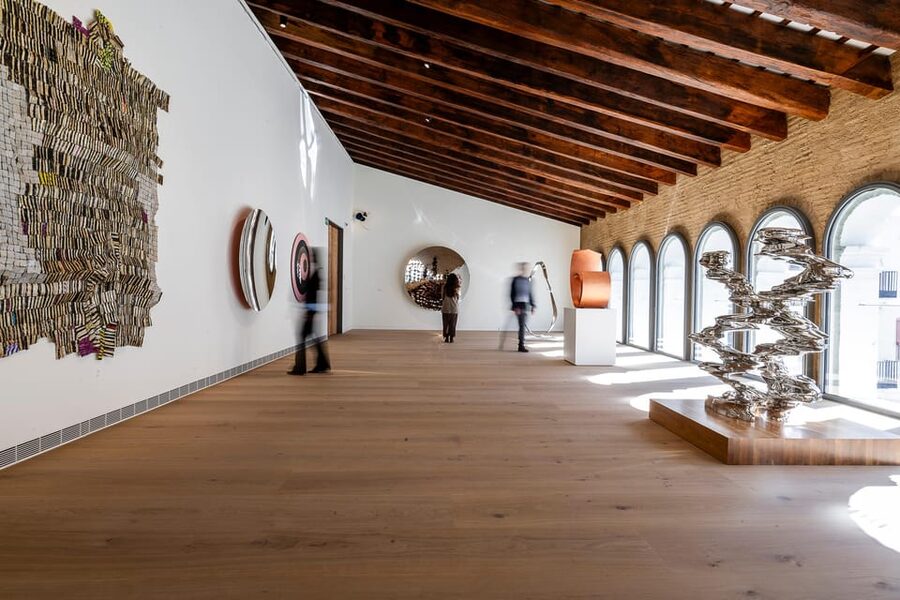
First, plan for pacing. With 1.5 hours, you won’t see everything at the same intensity. Decide where you want your attention: the big-name contemporary works, the main hall’s original details, or the Roman/Jewish/medieval remnants.
Second, bring your curiosity about contrast. Some rooms will feel modern and conceptual. Others will pull you into older textures and survival of structures. The best part of Hortensia Herrero Art Center is that you’re constantly switching modes—looking at ideas, then looking at physical time.
Third, check the visit start time. The duration is fixed, so the schedule matters for how much you can actually experience without rushing. If you arrive late, you’ll lose the best kind of time here: the minutes where you can pause and notice.
Finally, if you’re sensitive to crowding or restricted movement, note that a small number of people have flagged visit conditions in their feedback. That doesn’t mean you should avoid it, but it is a good reminder to show up ready and avoid turning a short visit into a stressed one.
Who should book this art-and-archaeology stop?
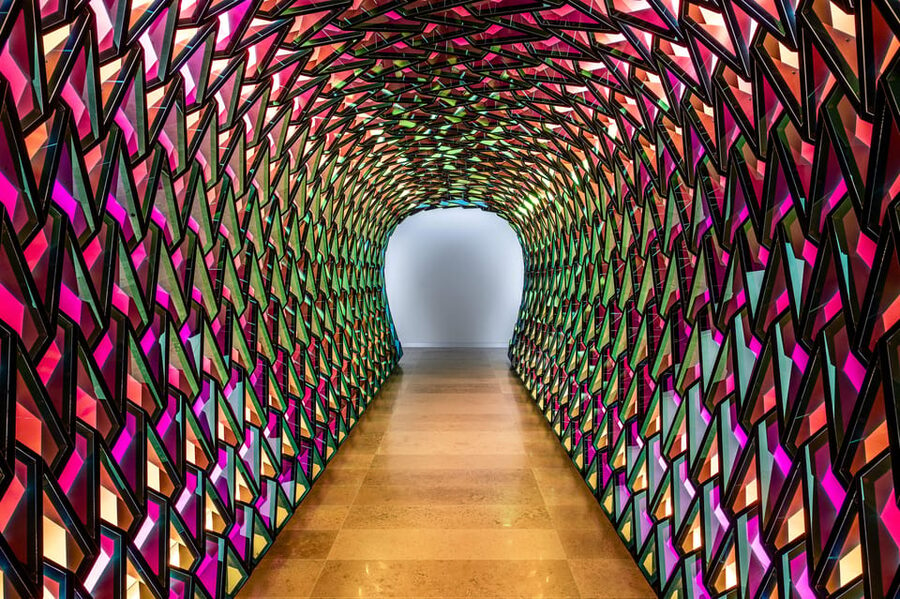
This center fits best when you enjoy at least one of these:
- Contemporary art and want to see international names in a distinctive setting
- Architecture lovers who like how historic spaces affect what you see
- History-minded travelers who want more than dates and labels, and prefer physical remnants like Roman and medieval elements
It’s also a solid pick if you’re traveling with someone whose interests aren’t identical. One person can chase the multimedia and major artists; the other can focus on the palace’s structure and archaeological features. The site supports both.
And yes, it’s wheelchair accessible, which is important for choosing a museum where you can actually plan your route.
Should you book the Hortensia Herrero Art Center ticket or guided tour?
Book it if you want a compact, high-impact experience where contemporary art and older Valencia share the same space. The $14 price point makes it easy to justify, and the setting—the Valeriola Palace plus archaeology like the Roman circus remains and the Jewish quarter alley—adds value beyond the artwork alone.
Choose the guided tour if you want help turning what you see into something you understand faster, especially for multimedia pieces and works created for the palace spaces. Choose the entry ticket if you prefer independence and you’re comfortable picking your own highlights in a short visit.
Either way, go with one strategy: pick your focus before you arrive, then let the palace surprise you inside that focus. That’s how you get the most out of 1.5 hours.
FAQ
What is the Hortensia Herrero Art Center experience?
It’s a visit to a contemporary art center in the Valeriola Palace in Valencia, with 17 exhibition spaces across two four-story buildings. You can also see archaeological remains such as the Roman circus of Valencia, parts linked to the ancient Jewish quarter, a Medieval oven, and an Islamic fountain.
How long does the visit take?
The duration is about 1.5 hours.
How much does it cost?
The price listed is $14 per person.
What’s included with the guided tour?
The guided tour option includes the Hortensia Herrero Art Center entry ticket plus the guided tour.
Do I need to book a guided tour or can I just buy a ticket?
You can do either: purchase an entry ticket only, or upgrade with a guided tour.
What languages are available?
The host or greeter and guided tour support multiple languages: English, Spanish, French, Italian, and Catalan.
Is the site wheelchair accessible?
Yes, the activity is wheelchair accessible.
What famous artists can I expect to see?
The information provided includes works associated with Andreas Gursky, Anselm Kiefer, and Georg Baselitz, and also names such as Tomás Saraceno, Jaume Plensa, Olafur Eliasson, Cristina Iglesias, Sean Scully, and Mat Collishaw.
Is there a cancellation policy?
There is free cancellation, with a full refund if you cancel up to 24 hours in advance.
Can I reserve now and pay later?
Yes. The option listed is reserve now and pay later, so you can book a spot and pay nothing today.
More Tickets in Valencia
- Valencia: Oceanogràfic Entry Ticket★ 4.7 · 9,893 reviews
- Valencia: 24 or 48-Hour Hop-on Hop-off Bus Ticket★ 3.9 · 5,611 reviews
- Valencia: Palosanto Flamenco Show Ticket★ 4.8 · 3,876 reviews
- Valencia: Bioparc Valencia Admission Ticket★ 4.8 · 1,841 reviews
- Valencia: Authentic Flamenco Show Entry Ticket★ 4.9 · 1,305 reviews
More Tour Reviews in Valencia
- Valencia: Oceanogràfic Entry Ticket★ 4.7 · 9,893 reviews
- Valencia: 24 or 48-Hour Hop-on Hop-off Bus Ticket★ 3.9 · 5,611 reviews
- Valencia: Sailing Catamaran Cruise with Sunset Option and DJ★ 4.1 · 4,270 reviews
- Valencia: Palosanto Flamenco Show Ticket★ 4.8 · 3,876 reviews
- Valencia Old Town Tour with Wine & Tapas in 11th Century Historic Monument★ 5.0 · 3,234 reviews
Oceanografic, Bioparc and the Museum Shelf
- Valencia: Oceanogràfic Entry Ticket★ 4.7 · 9,893 reviews
- Valencia: Oceanogràfic, Hemisfèric & Science Museum Combo★ 4.4 · 2,959 reviews
- Valencia: Bioparc Valencia Admission Ticket★ 4.8 · 1,841 reviews
- Valencia: Principe Felipe Science Museum Entry Ticket★ 4.3 · 1,039 reviews
- Valencia: San Nicolas, Silk Museum and Santos Juanes Church★ 4.3 · 391 reviews
The newest Valencia reviews on our desk





Oceanogràfic, Bioparc & Museums, compared.
 ★ 4.7Oceanogràfic Entry TicketFrom $449,893 reviews
 ★ 4.4Oceanogràfic, Hemisfèric & Science Museum ComboFrom $542,959 reviews
 ★ 4.8Bioparc Valencia Admission TicketFrom $351,841 reviews
 ★ 4.3Principe Felipe Science Museum Entry TicketFrom $111,039 reviews
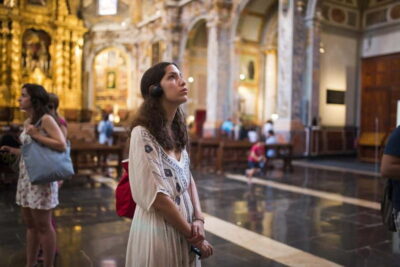 ★ 4.3San Nicolas, Silk Museum and Santos Juanes ChurchFrom $17391 reviews
 ★ 4.5Your Ticket to the Museum of IllusionsFrom $17149 reviews
 ★ 3.7Museo Iluziona Entry Ticket With Optional VRFrom $1483 reviews
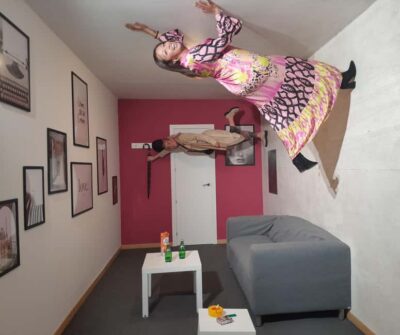 ★ 3.6World of Illusions Museum Entry TicketFrom $1574 reviews
Browse the lists this tour appears in