
Reviewed · OCEANOGRàFIC, BIOPARC & MUSEUMS
Valencia: World of Illusions Museum Entry Ticket
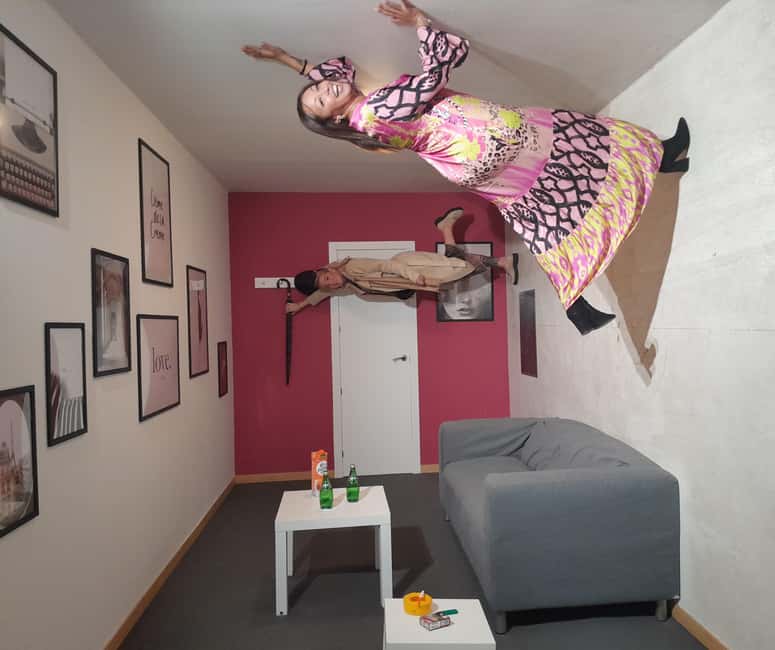
Your eyes will argue with your brain. In Valencia, the Museum of Illusions turns perception into hands-on puzzles, with 70+ works and 20 interactive experiences that keep you testing what you think is real.
I like that the installations aren’t just for staring. You’re meant to move, react, and figure out why your brain gets fooled in the first place.
Expect an experience that may not feel long enough for everyone. At $15, some people may find it pricey if they want extra guidance or a stronger fit for kids, so I’d align expectations before you go.
In This Review
- Quick highlights before you buy
- World of Illusions in Valencia: what the entry ticket really delivers
- Finding the museum in Artesanos (and why location helps)
- Inside the rooms: optical illusions that challenge logic
- The 20 interactive experiences: how to get the best results
- How long it feels (and why group size can change the vibe)
- Price and value: making the $15 decision without regret
- Language at the museum: what to do if content isn’t in your language
- Accessibility and practical comfort
- Should you book the Valencia Museum of Illusions ticket?
- FAQ
- Where is the Valencia Museum of Illusions located?
- How much does the ticket cost?
- What’s included with the ticket?
- Is the ticket valid on multiple days?
- Can I skip the ticket line?
- Is the museum wheelchair accessible?
- Will I be able to get information in English?
- Is there free cancellation?
Quick highlights before you buy
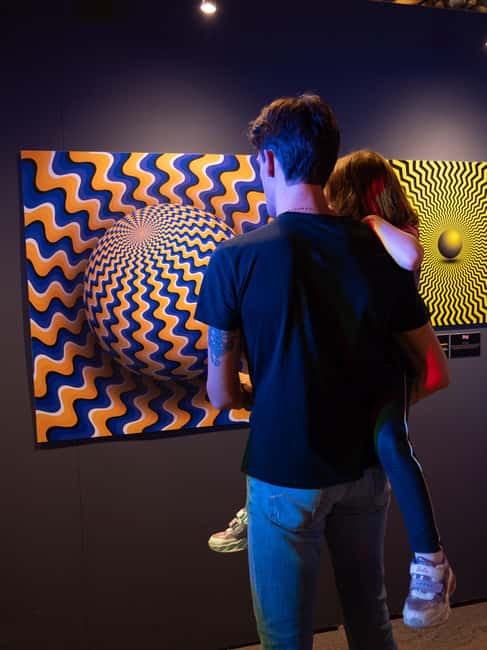
- 70+ illusion works in one compact visit, built around visual tricks and surprise setups
- 20 interactive experiences where you’ll handle the puzzle, not just watch it
- Artesanos neighborhood location in Valencia, handy if you’re already exploring central areas
- Skip-the-line entry so you can spend more time in the rooms and less time waiting
- Wheelchair accessible with step-free access for mobility needs
- Mixed reviews on value, so it helps to go with the right mindset
World of Illusions in Valencia: what the entry ticket really delivers

The ticket is simple: museum entrance only, for an attraction called MUSEO MUNDO DE ILUSIONES VALENCIA. The value here is not about guided history lectures. It’s about active perception work—visual challenges that mess with logic on purpose.
Think of it like a live brain test. You walk into a room that looks one way, then your eyes push back. Colors feel like they shift. Lines don’t behave. Depth can look wrong. And then you’re invited to interact in ways that make the illusion click—usually after you try it yourself.
This matters because the museum’s payoff depends on your attitude. If you treat it like a passive museum stop, it can feel flat. If you treat it like a playful challenge—look twice, try the trick again, change your angle—most of the fun lands quickly.
Also, your ticket is valid for 30 days, which is a nice safety net. You can pick a time that fits your day in Valencia instead of locking yourself to one specific hour.
Sharks, gorillas or optical tricks: other Valencia tickets we compared
Finding the museum in Artesanos (and why location helps)
This museum sits in the Artesanos neighborhood in the Valencian Community. That’s useful because it’s the kind of area where you can string together short stops: museum, snack, stroll, repeat.
You don’t need to build your whole day around this ticket. You can treat it as a flexible indoor plan when Valencia’s weather shifts—or when your legs need a break. And because the entry says skip the ticket line, you’re less likely to lose your momentum to waiting outside.
If you’re walking in, give yourself buffer time. Illusion places are small-world hectic: everyone wants to photograph the same optical tricks, and that can create slowdowns at popular stations.
Inside the rooms: optical illusions that challenge logic
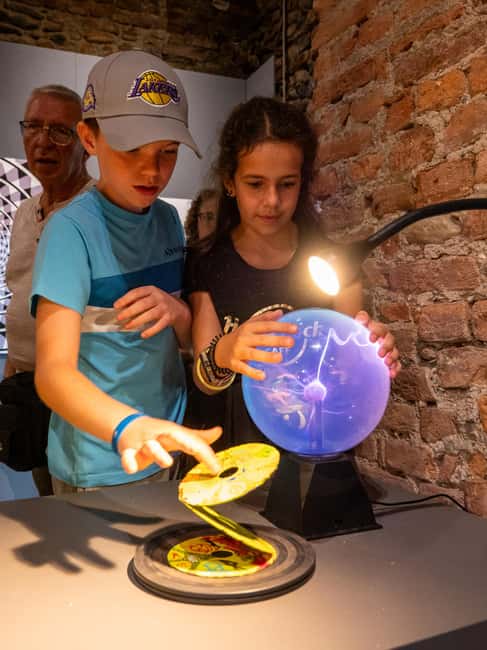
The core idea is clear: the museum is designed around visual challenges where perception clashes with logic. It’s not just about one famous effect repeated. The appeal is variety—different types of optical illusions, different setups, and different reasons your brain misreads what’s in front of you.
From the way the attraction is described, you’re not touring a single theme gallery. You’re moving through an environment of surreal scenes and optical challenges. The goal isn’t to memorize facts; it’s to notice patterns in how your vision fails.
Here’s what I’d pay attention to as you go:
- Your position matters. Many optical effects depend on your angle and distance. When you see a trick, try stepping sideways or changing height if the space allows.
- Your first reaction is usually wrong. The museum is built to make you doubt your own certainty. Treat that doubt like part of the fun.
- Look for the cue. Even if you can’t explain the science, you can often spot what changes the illusion—lighting, symmetry, perspective, contrast, or timing.
If you’re a person who likes puzzles, you’ll get a lot out of the “try again” moments. If you want calm, quiet viewing, it may feel a bit busy because the whole point is engagement.
The 20 interactive experiences: how to get the best results
The attraction includes 20 interactive experiences. That’s a big deal because it shifts the museum from “look and move on” to “participate and figure it out.” Interactive stations tend to be where the value concentrates, so you’ll want to spend your energy there.
A smart way to approach interactive rooms:
- Start slow. Do the station once, then repeat after you’ve seen what changes.
- Take photos like a second attempt. Photos can catch details you miss while you’re standing in the moment.
- Don’t wait for a perfect explanation. Sometimes the fun is the experience of being fooled, not understanding every mechanism on the spot.
The museum also has 70+ works, which suggests you’ll see a range of installations—some may be more hands-on, others more visual. When reviews and impressions are mixed, it often comes down to whether people expected every station to be interactive. If you’re okay with a mix—some play, some purely optical—you’ll likely feel better about your visit.
Other Valencia outings that earned a spot in our notes
- Valencia: 24 or 48-Hour Hop-on Hop-off Bus Ticket
★ 3.9 · 5,611 reviews - Valencia: Palosanto Flamenco Show Ticket
★ 4.8 · 3,876 reviews - Valencia: Authentic Flamenco Show Entry Ticket
★ 4.9 · 1,305 reviews - From Valencia: Caves of San José Tour + Guide & Entry ticket
★ 4.7 · 308 reviews
How long it feels (and why group size can change the vibe)
This place is the type where your pace depends on your crew. One review highlights that it helps to go with more than two people. Why? With a small group, you get faster “compare and discuss” energy. You can ask, Why do you see that? Try it from my spot. Stand where I stood.
In a larger group, you might move with a plan. In a couple or solo visit, you might spend more time doing the stations your own way—but the social exchange that makes illusions fun can be limited.
There’s also a practical expectation issue. Some impressions include the feeling that the visit can be very short or that the experience doesn’t provide enough to justify the price. I can’t tell you how long you’ll take, but you can manage that risk by:
- Planning for a full circuit, not just the first few rooms
- Trying the interactive stations more than once
- Leaving yourself extra minutes at the popular setups so you’re not rushing at the end
If you only do the “headline” illusions, you might walk away feeling like you missed too much. If you treat it like a game, the same number of rooms can feel like a full mental workout.
Price and value: making the $15 decision without regret
Let’s talk money. The ticket is listed at $15 per person. For many visitors, that lands in the “reasonable for a fun hour or two indoors” range. For others, it can feel steep—especially if you expected deeper storytelling or if you’re visiting with kids who want a more traditional activity.
One specific concern that shows up in impressions: it may not work well for children, and some people feel it’s too expensive for what they got. Another concern is that the staff explanations could be more detailed, even if staff are friendly.
Here’s how I’d judge value for yourself:
- If you enjoy optical tricks, photo-based fun, and hands-on puzzles, $15 is easier to accept. You’re paying for the effect and the interaction, not a lecture.
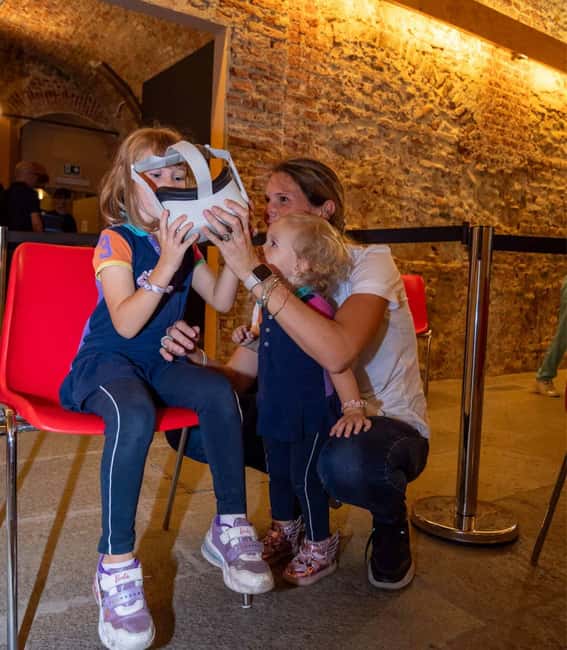
- If you’re bringing kids, go with realistic expectations. This isn’t described as a kid-focused science lab or story-driven show. Some children might enjoy the play; others may get bored when the novelty wears off.
- If you’re the type who wants staff to explain everything step-by-step, you may wish you had more guidance. The attraction does have some content shown in its original language, which can also affect how quickly you “get” each station.
The best way to protect your value is to show up ready to play. If you want a curated explanation-heavy museum, you may leave thinking you paid for photos and optical moments rather than learning.
Language at the museum: what to do if content isn’t in your language
The information says some content is shown in its original language. That’s normal for Spain and doesn’t mean you’ll be lost, but it does mean you should adjust your plan.
How to handle it:
- Rely on the visual instructions and your own testing. The illusion itself usually communicates the idea.
- Don’t wait for a perfect translation. If a station doesn’t click right away, try again from a different angle.
- Use your phone sparingly for understanding. Photos can help you remember how you saw the effect, even if you can’t read every label.
If you’re traveling with mixed language skills, this museum can still work because the main content is visual. You’re not dependent on long explanations to enjoy the outcome.
Accessibility and practical comfort
Good news up front: the museum is wheelchair accessible. That means it’s set up to handle mobility needs better than many smaller museums with awkward stairs or tight corridors.
Still, with any interactive optical space, keep in mind that stations can be popular. Crowds can form near the most photogenic setups. If you use a wheelchair or mobility aid, it’s smart to:
- Move at your own pace
- Prioritize stations you can approach comfortably
- Expect you may need to wait briefly when spaces are blocked by people standing for photos
Also, since the ticket includes skip the ticket line, you reduce one stress point before entering.
Should you book the Valencia Museum of Illusions ticket?
Book it if you want a fun, perception-focused indoor experience that rewards curiosity. The standout value drivers are the 70+ works and 20 interactive experiences. If you like visual puzzles, want photo-worthy moments, or need a flexible plan in Valencia, this fits well.
I’d think twice if you need an explanation-heavy museum, are traveling with kids who require continuous structured activities, or you hate paying for something that depends on your willingness to play. Mixed feedback includes concerns about value and how quickly some people feel finished.
My practical call: if you’re the type who enjoys trying tricks, comparing what you see with friends, and laughing when your eyes betray you, you’ll likely feel good about the $15. If you’re looking for a long, guided outing with detailed interpretation, you may want a different kind of museum day instead.
FAQ
Where is the Valencia Museum of Illusions located?
It’s in the Artesanos neighborhood in Valencia, in the Valencian Community of Spain.
How much does the ticket cost?
The price is listed at $15 per person.
What’s included with the ticket?
The ticket includes museum entrance.
Is the ticket valid on multiple days?
Yes. The ticket is listed as valid for 30 days, so you can check availability for your starting time within that window.
Can I skip the ticket line?
Yes. The entry includes skip the ticket line.
Is the museum wheelchair accessible?
Yes, the museum is wheelchair accessible.
Will I be able to get information in English?
Some content is shown in its original language, so you may see labels or explanations that aren’t fully in English.
Is there free cancellation?
Yes. Free cancellation is listed as available up to 24 hours in advance for a full refund.
More Tickets in Valencia
- Valencia: Oceanogràfic Entry Ticket★ 4.7 · 9,893 reviews
- Valencia: 24 or 48-Hour Hop-on Hop-off Bus Ticket★ 3.9 · 5,611 reviews
- Valencia: Palosanto Flamenco Show Ticket★ 4.8 · 3,876 reviews
- Valencia: Bioparc Valencia Admission Ticket★ 4.8 · 1,841 reviews
- Valencia: Authentic Flamenco Show Entry Ticket★ 4.9 · 1,305 reviews
More Tour Reviews in Valencia
- Valencia: Oceanogràfic Entry Ticket★ 4.7 · 9,893 reviews
- Valencia: 24 or 48-Hour Hop-on Hop-off Bus Ticket★ 3.9 · 5,611 reviews
- Valencia: Sailing Catamaran Cruise with Sunset Option and DJ★ 4.1 · 4,270 reviews
- Valencia: Palosanto Flamenco Show Ticket★ 4.8 · 3,876 reviews
- Valencia Old Town Tour with Wine & Tapas in 11th Century Historic Monument★ 5.0 · 3,234 reviews
Oceanografic, Bioparc and the Museum Shelf
- Valencia: Oceanogràfic Entry Ticket★ 4.7 · 9,893 reviews
- Valencia: Oceanogràfic, Hemisfèric & Science Museum Combo★ 4.4 · 2,959 reviews
- Valencia: Bioparc Valencia Admission Ticket★ 4.8 · 1,841 reviews
- Valencia: Principe Felipe Science Museum Entry Ticket★ 4.3 · 1,039 reviews
- Valencia: San Nicolas, Silk Museum and Santos Juanes Church★ 4.3 · 391 reviews
The newest Valencia reviews on our desk





Oceanogràfic, Bioparc & Museums, compared.
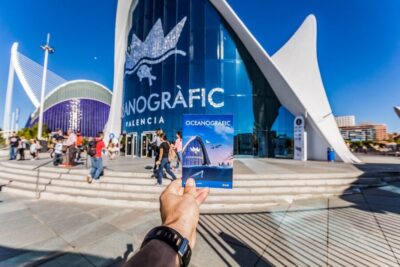 ★ 4.7Oceanogràfic Entry TicketFrom $449,893 reviews
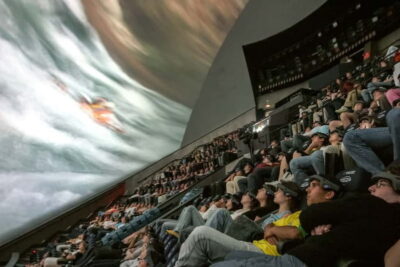 ★ 4.4Oceanogràfic, Hemisfèric & Science Museum ComboFrom $542,959 reviews
 ★ 4.8Bioparc Valencia Admission TicketFrom $351,841 reviews
 ★ 4.3Principe Felipe Science Museum Entry TicketFrom $111,039 reviews
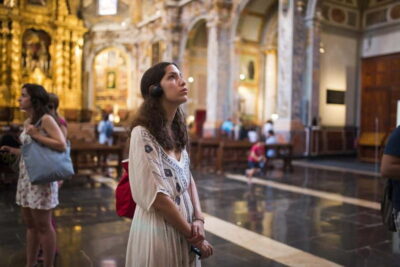 ★ 4.3San Nicolas, Silk Museum and Santos Juanes ChurchFrom $17391 reviews
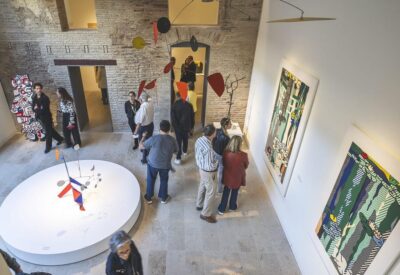 ★ 4.6Hortensia Herrero Art Center Ticket or Guided TourFrom $14151 reviews
 ★ 4.5Your Ticket to the Museum of IllusionsFrom $17149 reviews
 ★ 3.7Museo Iluziona Entry Ticket With Optional VRFrom $1483 reviews
Browse the lists this tour appears in