

Reviewed · VALENCIA WALKING TOURS
Valencia: Must-See Attractions Walking Tour
Old Valencia is best on foot. This 2-hour walking tour knits together the city’s oldest gates and key civic sights with an English-speaking guide who explains what you’re looking at as you go.
I love how the route starts at Torres de Serranos, then keeps you moving through the places that shaped the city long before modern Valencia. I also like the quick, stop-and-look pace, because you get multiple major highlights without burning half a day stuck in one spot.
One thing to consider: your enjoyment can depend a lot on the guide’s clarity and pacing. In one documented case, a guide ran late and communication didn’t land well, so if you’re sensitive to timing or audio, choose your spot near the front and ask questions early.
In This Review
- Key highlights I’d put first
- Why a 2-hour old-town walk is the right length
- Meeting at Calle del Mur de Santa Anna: your starting point in Ciutat Vella
- Central Market of Valencia: seeing local life before the big monuments
- Basilica of the Virgin of the Desamparados: religion as part of city identity
- Correus: spotting institutional Valencia in the middle of the walk
- Ciutat Vella and its streets: the part you feel in your legs
- Plaza del Ayuntamiento: where civic pride meets public space
- Torres de Serranos: the gate that frames the idea of Valencia’s old city
- Palacio de la Generalitat and Valencia Cathedral: power and faith in one final stretch
- Guide quality matters: how to get the best experience from the route
- What the $82 price buys you (and how it stacks up)
- Who this tour fits best
- Should you book this Valencia walking tour?
- FAQ
- How long is the Valencia must-see attractions walking tour?
- Where is the meeting point?
- What’s included in the price?
- Are food and drinks included?
- What languages can the live guide speak?
- Is the tour wheelchair accessible?
- Can I reserve without paying right away?
- What if I need to cancel?
Key highlights I’d put first
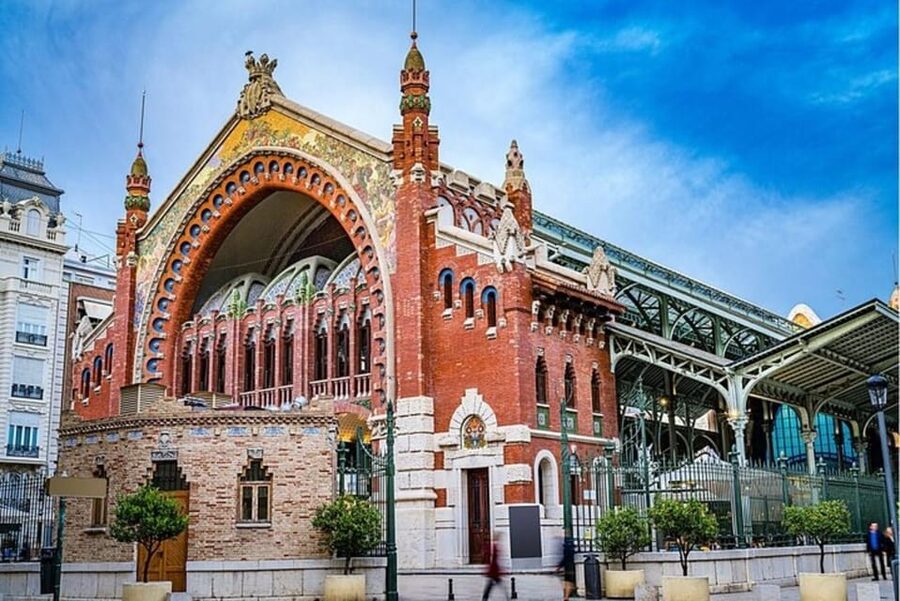
- Torres de Serranos kicks things off with a real sense of where Valencia’s old defenses stood
- Central Market gives you a strong first taste of daily life in the heart of the historic district
- Plaza del Ayuntamiento and other government buildings show how power and everyday streets meet
- Valencia Cathedral rounds out the walk with one of the city’s biggest landmark experiences
- Wall-art and street-level stops can add color and context beyond the monuments
Why a 2-hour old-town walk is the right length

Valencia’s historic core is compact, but it’s also easy to get turned around if you try to do everything alone. This tour’s big advantage is time discipline: two hours is long enough to see major landmarks, but short enough that you’ll still feel like you’re strolling instead of marching.
And because it’s a small-group / private group format, you’re not stuck behind a huge crowd forever. That means you can actually read details on façades and architecture, plus you can ask questions and get answers in multiple languages (the tour runs in English, Spanish, French, and Italian).
The tour also isn’t built around food stops. That’s good if you want history and architecture without feeling tied to a meal plan—just know you’ll want to grab snacks or drinks before or after.
Walkers who read this review also pulled up these Valencia routes
Meeting at Calle del Mur de Santa Anna: your starting point in Ciutat Vella
You meet on Carrer del Mur de Santa Anna, in Ciutat Vella, Valencia’s old district. This location matters because it puts you right in the zone where the city feels most “older-world” and walkable.
Practical tip: arrive a few minutes early and take a quick look at the buildings around you. The tour’s theme is layers—different eras in the same street-level view—so getting your bearings before the first stop makes the whole route click faster.
Central Market of Valencia: seeing local life before the big monuments
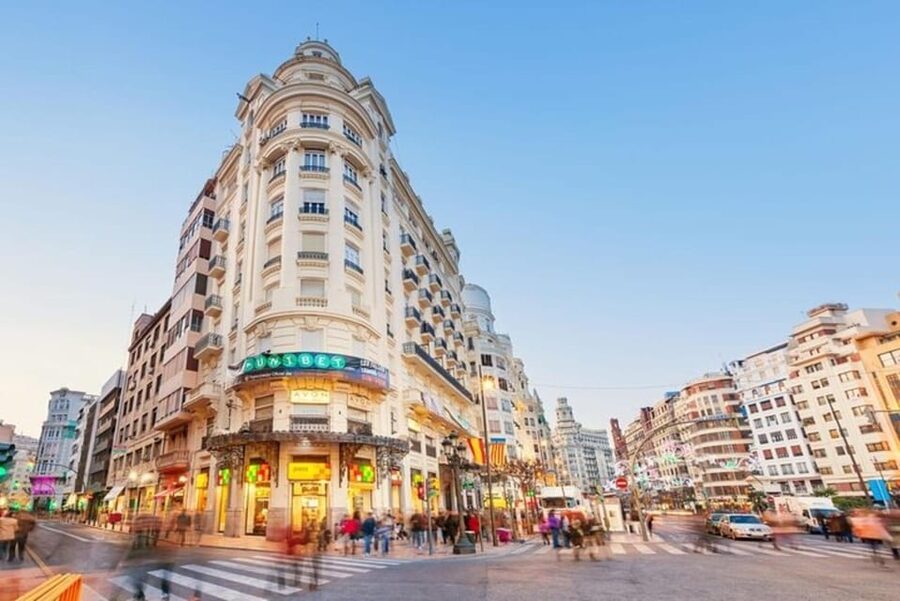
Next up is the Central Market of Valencia. Even if you’re not shopping, it’s one of the best ways to get a feel for Valencia’s rhythm. It’s also a helpful transition point: after the gate-and-old-city vibe, you get something more everyday, more human-scale.
You’ll have time for a photo stop, a guided look, and general sightseeing. Since the tour segments are short, I’d suggest you show up with one goal for the market—either architecture details, street views, or just the sense of the place. That way, you don’t waste the limited time waiting for inspiration to hit.
One other small win: market stops often teach you how to “read” a city. You start noticing entrances, signage, and how people move through space. That skill pays off later when you’re at plazas and major civic buildings.
Basilica of the Virgin of the Desamparados: religion as part of city identity
After the market, you visit the Basilica of the Virgen de los Desamparados (Virgen de los Desamparados is the key name to lock in). This is a stop where the guide’s narration can really matter, because a basilica is more than a pretty exterior—you’re looking at a place that helps anchor community identity.
Again, you’ll get a photo stop plus time for a guided visit. Because the tour time is tight, I treat these moments like a “best hits” preview. You get to experience the building and its presence in the neighborhood, then move on rather than trying to absorb everything in one visit.
If you want to maximize this stop, have one question ready. Something simple like what to notice first about the façade or how the basilica fits into the surrounding civic world can turn a quick visit into a memorable one.
Other Valencia outings that earned a spot in our notes
- Valencia: City Walking Tour with Top Attractions – ITALIAN
★ 4.9 · 242 reviews - Discover Valencia: Guided Walking Tour
★ 4.9 · 211 reviews - Valencia Private Walking Tour with Official Valencian Guide
★ 5.0 · 176 reviews - The 10 Tastings of Valencia With Locals: Private Food Walking Tour
★ 4.5 · 119 reviews
Correus: spotting institutional Valencia in the middle of the walk
The tour also includes Correus. That stop is easy to overlook if you’re only hunting for the biggest tourist monuments, but it’s valuable for balance. It shifts you from religious and defensive landmarks into the world of institutions and services.
In a tour like this, I like seeing at least one “non-castle” stop. It helps you understand that Valencia’s heritage isn’t only about old stones and dramatic history; it’s also about the infrastructure that keeps the city running.
Because time is limited, think of Correus as a visual checkpoint. Look closely, take your photo, and listen for what the guide emphasizes—history often hides in plain sight on civic buildings.
Ciutat Vella and its streets: the part you feel in your legs
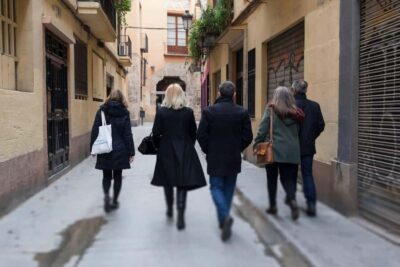
One of the stops is Ciutat Vella, Valencia itself, with guided sightseeing through charming streets and squares. This is the section where the walking becomes more than transportation. It’s where you feel the city’s flow—how plazas open up from narrow streets, how architecture frames corners, and how daily movement keeps the historic core alive.
I find this kind of segment crucial. Without it, a “landmark tour” can turn into a checklist. Here, the guide helps connect the dots, so you start understanding how the different sights relate to each other in the real geography of the city.
Also, Ciutat Vella is where you’ll notice the Mediterranean feel of Valencia: bright daylight, street-level activity, and the way buildings share space with pedestrians.
Plaza del Ayuntamiento: where civic pride meets public space
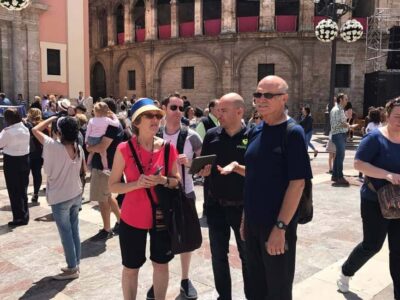
Next comes Plaza del Ayuntamiento. This is one of those places where you can relax your brain for a second. After gates, basilicas, and institutional buildings, a big plaza gives you breathing room and perspective.
You’ll stop for photos and guided explanation, then continue on. Since the tour doesn’t linger long at each highlight, I recommend choosing what you want to focus on before you arrive at the square. For example: the building edges around you, the scale of the plaza, or how the square feels compared with the narrower streets you just walked.
A plaza stop is also a good moment to do a quick regroup with your group. If you’re traveling with friends, you can confirm you’re all on the same page about what’s coming next—Torres de Serranos is still ahead, and it’s a dramatic contrast.
Torres de Serranos: the gate that frames the idea of Valencia’s old city
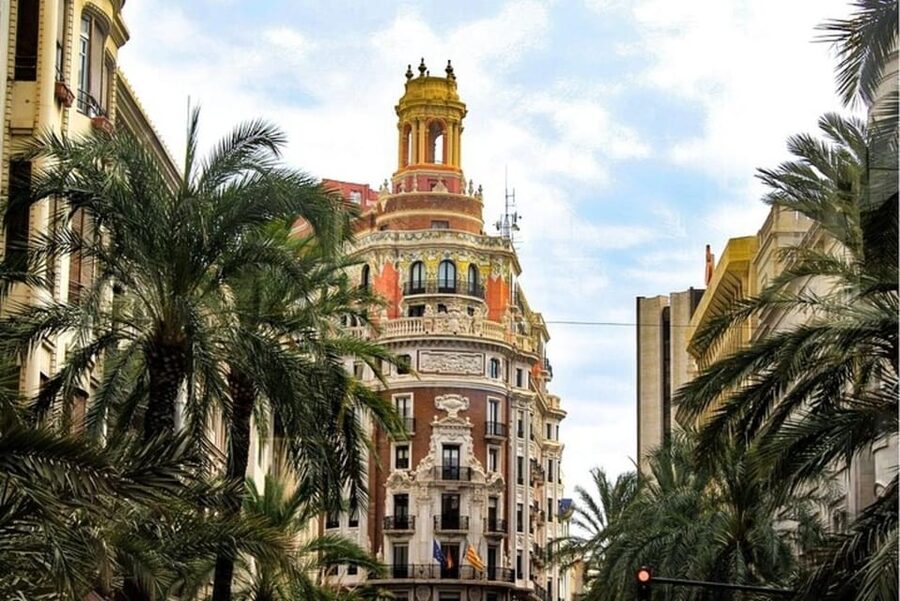
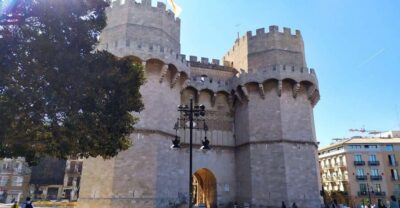
The Torres de Serranos is the star gate of the route. You’re not just looking at a monument—you’re looking at a boundary. City gates tell a story about what mattered enough to defend and what needed controlling at the edge of town.
You’ll get a guided visit and sightseeing time here, plus a photo stop. Take a moment to circle your viewpoint a bit and look for how the towers sit in relation to the surrounding street lines. Gates don’t feel the same from one angle; the structure reads differently when you compare what you see “outside” the entry line versus inside the city.
This is also where guide style really shows. One guide named Craig has been described as phenomenal, with an easygoing vibe and the ability to personalize the tour. If your guide connects the dots between the towers and later civic buildings, this becomes more than a photo moment.
Palacio de la Generalitat and Valencia Cathedral: power and faith in one final stretch
The route finishes with two major landmarks that give the walk an ending with weight: the Palacio de la Generalitat and Valencia Cathedral.
The Palacio de la Generalitat is your “civic power” piece. It helps explain how governance and identity have played out in Valencia’s architecture. Expect photo time, guided viewing, and a short sightseeing stop.
Then you reach Valencia Cathedral, which is where the tour’s pace often feels most satisfying. You’ve already gotten the context of the historic core—gates, plazas, institutions, religious presence—and now the cathedral lands as a final anchor.
I’d treat the cathedral visit as your “slow down” moment within a fast tour. Even though you won’t have a long sit-down, you’ll likely be able to absorb more if you stand where you can see the façade clearly, then look for the details your guide highlights.
One more fun detail from past guides: Francesca has been praised for the history and insight she brought, including explanations tied to wall art and street-level details. If your guide does similar commentary on the route toward the cathedral, listen for those small context clues—they can make the bigger monuments easier to understand.
Guide quality matters: how to get the best experience from the route
This tour leans on your guide. Most of the experience should feel smooth—short walking stretches, photo stops, and guided time at each major site. But guide communication is the difference between a great walk and a frustrating one.
Here’s how you can tilt the odds in your favor:
- Stay close to the front so you can hear clearly.
- Ask your key question early. Short stops mean you won’t get many chances later.
- If you spot something you don’t understand, don’t wait. Ask then, while the guide is standing right next to it.
- Be ready for a fast rhythm. The walk is designed for movement, not long lingering.
There’s also a caution worth mentioning. One recorded experience described a guide arriving late and answering questions poorly, and another described needing louder voice and more engagement. That doesn’t mean it will happen every time, but it’s a reminder that communication quality is part of the value you’re buying.
What the $82 price buys you (and how it stacks up)
At $82 per person for a 2-hour walk, you’re paying for three things: an expert guide, a tight route through top sights, and the convenience of not figuring it out yourself.
For me, it’s good value when you:
- Want a structured route through Ciutat Vella without wasting time,
- Like context behind architecture, not just photos,
- Prefer walking in short bursts of sightseeing.
It’s less ideal if you’re the type who enjoys long, unhurried museum-style visits at a single site. This tour is built for highlights and interpretation across multiple landmarks, not deep entry tickets or long indoor time. Also, since food and drinks aren’t included, budget for what you’ll want before or after.
Who this tour fits best
This works well for:
- First-time visitors who want a strong overview of Valencia’s historic core,
- People who love walking tours that connect sites with explanation,
- Anyone who wants to see both major religious and civic buildings in one session,
- Travelers comfortable with a lively walking pace and short stopovers.
If you’re traveling with limited mobility needs, the tour is listed as wheelchair accessible, which is a big plus for many people who want to experience the old quarter without turning it into a logistics problem.
Should you book this Valencia walking tour?
Book it if you want a compact, landmark-heavy route with guided context through some of Valencia’s most recognizable old-city sights, from the Torres de Serranos area to Valencia Cathedral. The average rating is 4.1 across 25 reviews, and the strongest feedback centers on guides who deliver clear history and personable engagement, like Craig and Francesca.
Skip or rethink if you know you strongly need slow pacing at one location, or if you’re worried about audio clarity and prefer very quiet, independent sightseeing. In that case, consider whether you’d rather spend more time alone at fewer stops.
FAQ
How long is the Valencia must-see attractions walking tour?
It lasts about 2 hours.
Where is the meeting point?
You meet on Carrer del Mur de Santa Anna in the historic Ciutat Vella district of Valencia.
What’s included in the price?
The tour includes a small-group walking tour and an English-speaking guide.
Are food and drinks included?
No. Food and drinks are not included.
What languages can the live guide speak?
The guide can speak English, Spanish, French, and Italian.
Is the tour wheelchair accessible?
Yes, it is listed as wheelchair accessible.
Can I reserve without paying right away?
Yes. There’s a reserve now & pay later option.
What if I need to cancel?
You can cancel up to 24 hours in advance for a full refund.
More Walking Tours in Valencia
- Valencia: Essentials and World Heritages Sites Walking Tour★ 4.7 · 684 reviews
- Valencia: Historical Walking Tour★ 4.6 · 390 reviews
- Valencia: Private Walking Tour with a Local★ 4.8 · 298 reviews
- Valencia: City Walking Tour with Top Attractions – ITALIAN★ 4.9 · 242 reviews
- Discover Valencia: Guided Walking Tour★ 4.9 · 211 reviews
More Tour Reviews in Valencia
- Valencia: Oceanogràfic Entry Ticket★ 4.7 · 9,893 reviews
- Valencia: 24 or 48-Hour Hop-on Hop-off Bus Ticket★ 3.9 · 5,611 reviews
- Valencia: Sailing Catamaran Cruise with Sunset Option and DJ★ 4.1 · 4,270 reviews
- Valencia: Palosanto Flamenco Show Ticket★ 4.8 · 3,876 reviews
- Valencia Old Town Tour with Wine & Tapas in 11th Century Historic Monument★ 5.0 · 3,234 reviews
Valencia at Walking Pace
- Valencia: Essentials and World Heritages Sites Walking Tour★ 4.7 · 684 reviews
- Valencia: Historical Walking Tour★ 4.6 · 390 reviews
- Valencia: Private Walking Tour with a Local★ 4.8 · 298 reviews
- Valencia: City Walking Tour with Top Attractions – ITALIAN★ 4.9 · 242 reviews
- Discover Valencia: Guided Walking Tour★ 4.9 · 211 reviews
The newest Valencia reviews on our desk





Valencia Walking Tours, compared.
 ★ 4.7Essentials and World Heritages Sites Walking TourFrom $21684 reviews
 ★ 4.6Historical Walking TourFrom $17390 reviews
 ★ 4.8Private Walking Tour with a LocalFrom $56298 reviews
 ★ 4.9City Walking Tour with Top Attractions – ITALIANFrom $17242 reviews
 ★ 4.9Discover Valencia: Guided Walking TourFrom $18211 reviews
 ★ 5.0Valencia Private Walking Tour with Official Valencian GuideFrom $127176 reviews
 ★ 4.5The 10 Tastings of Valencia With Locals: Private Food Walking TourFrom $152119 reviews
 ★ 4.6Fallas Festival Walking Tour with Entry TicketFrom $4686 reviews
Browse the lists this tour appears in