
Reviewed · VALENCIA OLD TOWN & EL CARMEN
Guided Tour of the Historic Center of Valencia
A guided walk through Ciutat Vella that hits the big landmarks fast, with a real sense of how Valencia layers Roman, Gothic, Baroque, and royal-era power into the same streets. I love the tight two-hour format for first-timers, and I also like that the guide experience (often Ferran or Jorge) focuses on practical orientation plus story details you can actually use while you keep exploring on your own. One possible drawback: it’s largely an outside tour, and several notable buildings are not entered inside.
This is a mobile-ticket tour in English, capped at up to 20 people, which keeps it from feeling like a loud parade. You also get a short break at the Mercat Central de Valencia, plus quick stops for churches and viewpoints where you can spot design details without spending your whole day in lines. If you’re the type who only wants interior tickets, you may feel slightly teased here.
You’ll start and end at Plaça de la Mare de Déu in the historic center, and you can expect a steady walking rhythm rather than long museum-style pauses. The good news is that it’s built for getting your bearings quickly, with plenty to look at: cathedral gates and surrounding squares, Roman remains from the outside, and the patron-saint setting around the Basilica de la Virgen de los Desamparados.
In This Review
- Key things to know before you book
- Why This Two-Hour Historic Center Walk Works
- Before You Go: What You’ll Actually See (Mostly Outside)
- Starting at Plaça de la Mare de Déu: Getting Oriented Fast
- The Closed Royal-Era Building and Noble Palaces on the Route
- Santos Juanes Baroque and Church Stops That Don’t Go Inside
- UNESCO Details You Can See on Sundays and Holidays
- Mercat Central de Valencia: The Market Break That Actually Feels Useful
- Santa Catalina Church (Iglesia de Santa Catalina) and the Horchatería Link
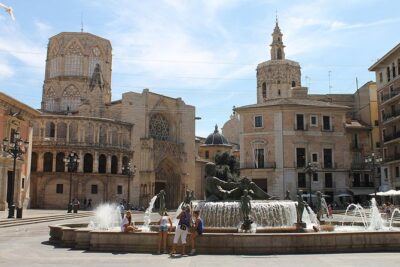
- Valencia Cathedral Area: Gates, Squares, and Treasure Talk
- Roman Valentia Remains and the Wreckage Outside
- Basilica de la Virgen de los Desamparados: Patron-Sister Energy
- Ending at the Old Roman Forum: The Idea of an Ancient Court
- Price and Value: What $18.06 Gets You
- Group Size, Guide Style, and How Questions Fit In
- Weather, Walking Comfort, and When You’ll Feel It Most
- Who Should Book This Tour (and Who Might Skip It)
- Should You Book This Tour?
- FAQ
- How long is the Guided Tour of the Historic Center of Valencia?
- What is the price per person?
- Is the tour offered in English?
- Do I need a printed ticket?
- Where do I meet the guide?
- How large is the group?
- Are there any interior visits to churches or major sites?
- Is the UNESCO World Heritage site included every day?
- What are the market stop details?
- Are there any limits on participation or assistance?
- What happens if the weather is bad?
Key things to know before you book
- A first-timer-friendly route through Valencia’s Historic Center in about 2 hours
- Small group feel with a maximum of 20 travelers
- Mostly exterior views, including Baroque and UNESCO details without full museum time
- A real stop for food culture at Mercat Central de Valencia (short break)
- Church highlights without interior visits, plus quick “look here” Gothic/Baroque observations
- Seasonal access logic for a UNESCO site that’s visited on Sundays and holidays
Why This Two-Hour Historic Center Walk Works
Valencia’s old center can feel like a choose-your-own-adventure: you turn a corner and suddenly you’re at a cathedral façade, then a market hall, then an ancient-looking street that quietly reminds you the city used to be something else. This tour is designed for that exact moment. It’s short enough that you don’t get worn out, but structured enough that you leave with a mental map.
The value is in the mix of “what you’re seeing” and “what it means.” You don’t just get names thrown at you. You get guided explanations tied to specific spots: where power lived, what style changed over time, and why certain buildings matter even when you can’t go inside them.
Still circling Ciutat Vella? These reviews walk the same lanes
Before You Go: What You’ll Actually See (Mostly Outside)
Let’s set expectations clearly. Several of the stops are observation-only. You’ll walk past important buildings, admire façades and architectural details, and hear context—but you won’t pay for or enter every site.
That includes:
- A key institution of the Kingdom of Valencia that is closed to the public
- Valencia’s most beautiful church (highlighted, but not visited inside)
- The Baroque of Santos Juanes (admired, but not visited inside)
- Exterior views around the Cathedral area (gates and squares)
This isn’t a deal-breaker. In fact, it can be a plus. Exterior architecture tells you a lot about a city’s priorities and craftsmanship. And since you move quickly, you still get the “I know where I am now” feeling rather than losing time to long indoor visits.
Starting at Plaça de la Mare de Déu: Getting Oriented Fast
Your tour meets at Plaça de la Mare de Déu in Ciutat Vella. This matters because it’s a central anchor point for the old town, not some random out-in-the-district spot. After the initial meetup, you’ll get a guided sense of direction—what to look for as you walk, and how the route connects the big historical zones.
If you’re visiting Valencia for the first time, this “orientation first” approach is gold. You start learning the street logic: how squares open up, where major religious sites cluster, and how the old city’s layers show up one after another.
The Closed Royal-Era Building and Noble Palaces on the Route
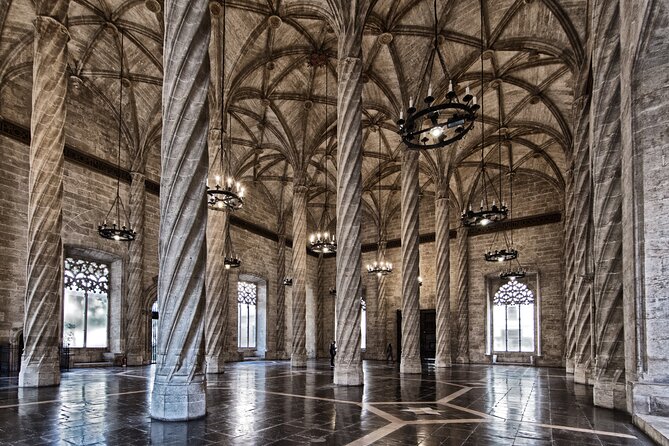
One early stop focuses on an important institution connected to the Kingdom of Valencia, and it’s closed to the public. You’ll still learn why it’s significant, but you won’t get the inside access you might hope for.
Right after that, the tour shifts into the noble-palace zone. This part is about “who had power here” and “how wealth expressed itself in stone.” Even if you’re not a devoted architecture nerd, palace exteriors can be surprisingly readable once someone points out the tells: proportions, ornament choices, and what the building tried to communicate.
It’s a good reminder that Valencia’s historic center isn’t just churches and markets. It’s also administration, status, and institutions built into everyday streets.
Other Valencia outings that earned a spot in our notes
- Valencia Old Town Tour with Wine & Tapas in 11th Century Historic Monument
★ 5.0 · 3,234 reviews - Valencia: Historical Walking Tour
★ 4.6 · 390 reviews - Essentials of Valencia and its World Heritage Sites
★ 4.5 · 350 reviews - Valencia’s Greatest Food, History & Culture Tour
★ 5.0 · 129 reviews
Santos Juanes Baroque and Church Stops That Don’t Go Inside
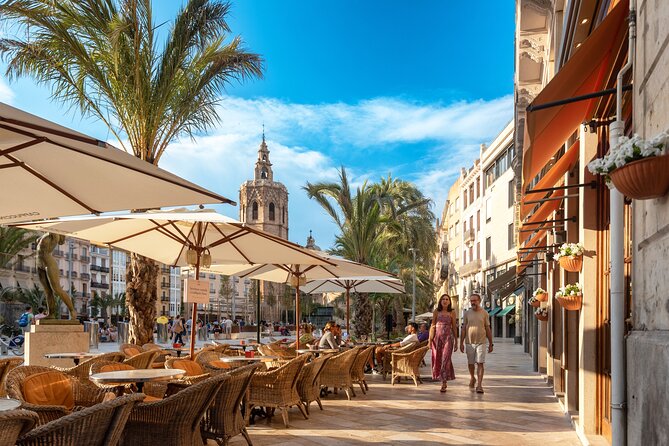
Two of the stops are specifically about appreciating religious architecture from the outside:
- A church described as Valencia’s most beautiful is discussed, but you don’t enter
- The Baroque of Santos Juanes is admired, but also outside-only
Outside-only doesn’t mean you’ll be bored. Baroque tends to be about drama: curves, strong visual rhythm, ornament that tries to pull your eye somewhere. If your guide points out the “what to look for” spots, you’ll leave seeing façades differently than you did at the start.
The practical advantage: you keep moving. With a 2-hour walk, every minute counts. Skipping interior time helps you fit more key highlights into the route.
UNESCO Details You Can See on Sundays and Holidays
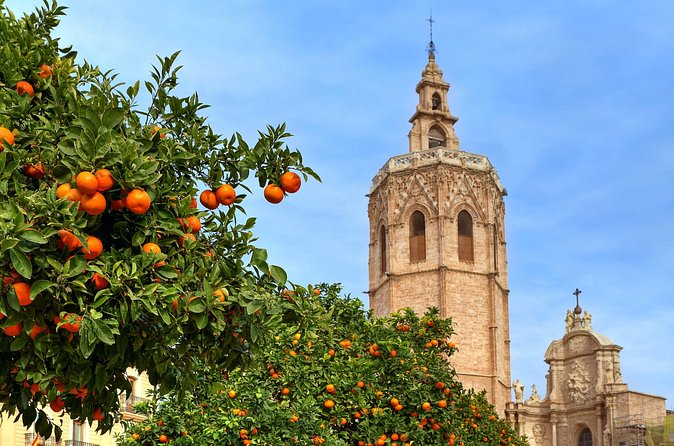
One segment centers on a UNESCO World Heritage Site. Here’s the key detail to plan around: it’s visited on Sundays and holidays. On other days, you’ll likely focus on what you can observe while walking—details, placement, and context—without full access.
Why this matters for you: if you travel midweek and really want that UNESCO interior experience, you might feel like you’re missing a chapter. If you’re there on a Sunday or holiday, the tour’s schedule aligns with access, and that UNESCO stop becomes much more rewarding.
Mercat Central de Valencia: The Market Break That Actually Feels Useful
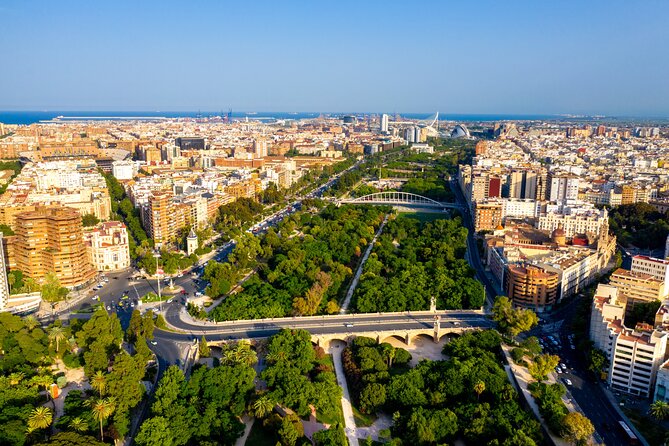
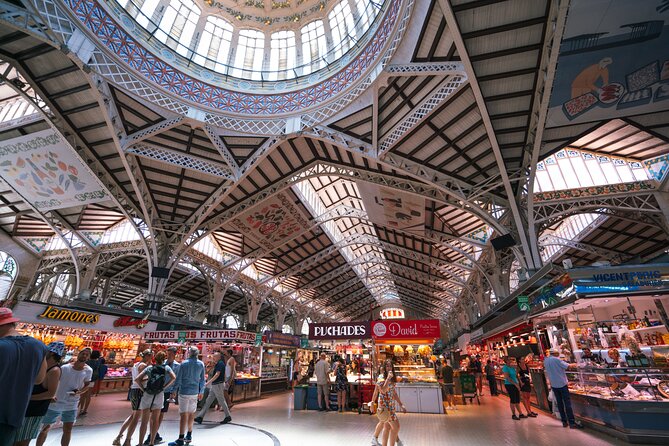
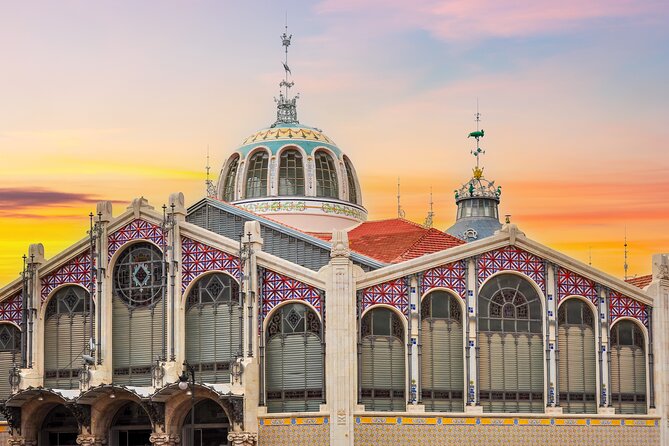
After the more “walk-and-look” part of the route, you get a breath at Mercat Central de Valencia. It’s scheduled as a 20-minute break, and the market ticket is free.
This is a smart stop for two reasons:
- It breaks the walking into a humane rhythm.
- It gives you something you can keep using the rest of your trip. Markets change how you read a city’s food scene, and Valencia’s market culture is part of why this place feels alive even in tourist season.
Timing note: the market is open Monday to Saturday morning, except holidays. That’s useful if your travel dates line up with a holiday period, because your ability to browse may be different.
Santa Catalina Church (Iglesia de Santa Catalina) and the Horchatería Link
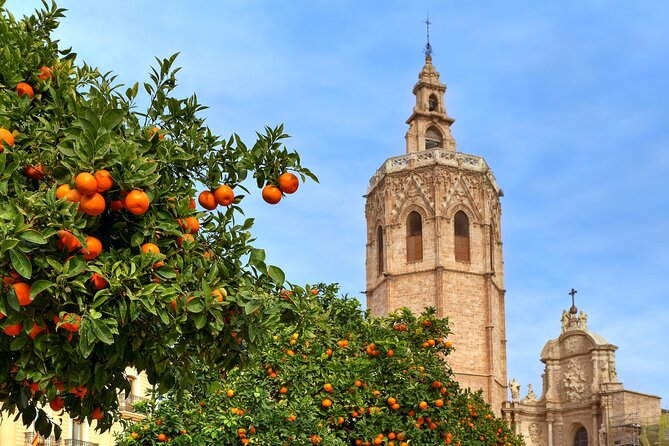
Next you’ll observe the Gothic of Saint Catherine and its slender tower, with the stop also drawing attention to the Horchatería with the same name. The tour doesn’t turn this into a long food outing, but it connects the historic architecture to a living Valencia tradition.
This is exactly the kind of detail that makes a city feel like more than postcards. You’re not just seeing old stone; you’re seeing how a named place (church and horchata) stays linked to the street’s identity.
The stop is short—about 5 minutes—but it’s designed to give you a “see that tower? now you remember it” moment.
Valencia Cathedral Area: Gates, Squares, and Treasure Talk
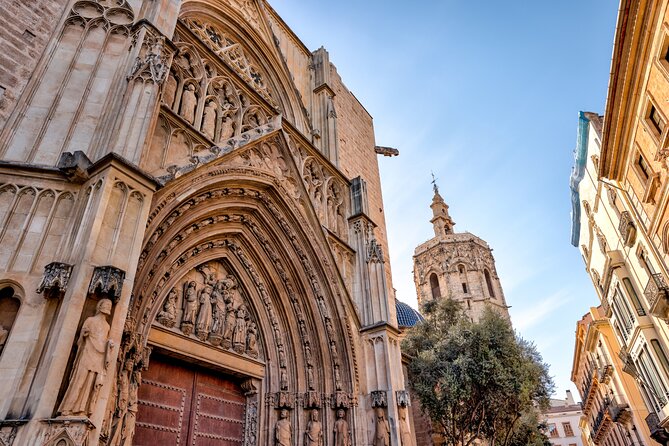
You’ll then surround the Cathedral, watching the gates and the squares around it. There’s also talk about the treasure inside, but you’re still not doing a full interior visit here.
If you like photos, this is where your camera gets work. Cathedral surroundings usually offer the best mix of:
- Symmetry and façade detail
- Street-level views from different angles
- Square-to-street transitions that show how people actually move through the space
Even if you don’t enter, you can still come away with understanding: why these gates face where they face, how the square layout supports ceremonies and gatherings, and what the guide’s “treasure inside” framing does to your expectations.
Roman Valentia Remains and the Wreckage Outside
One stop focuses on the oldest remains of the city, specifically tied to Roman Valentia. You’ll see the wreckage from the outside while learning how the Roman layers influence what came later.
This is a great “pause” stop for the mind. When you’ve just been looking at Gothic and Baroque, Roman remnants can feel almost unreal, like Valencia kept the past in plain sight and then built the next chapter right on top.
You’re not spending time in a museum, but you are gaining context for why the old town layout makes sense historically. It helps you walk the streets more confidently afterward, instead of guessing.
Basilica de la Virgen de los Desamparados: Patron-Sister Energy
The tour then moves to the Basilica de la Virgen de los Desamparados, where you meet (in a sense) the patron saint of Valencia in her temple. This stop is also short—around 5 minutes—but it’s memorable because it connects a historic site to ongoing cultural identity.
If you’re the type who likes to understand why people care about places, this is one of the most meaningful stops. Religion and patron saints in Valencia are not just about architecture. They’re about how locals organize identity and tradition around public spaces.
Ending at the Old Roman Forum: The Idea of an Ancient Court
The tour finishes at the old Roman Forum, with conversation about the oldest court in Europe. Even though you’re not entering an archaeological complex from the information provided, the “end point” framing is powerful.
Why? It closes the loop. You start with institutions and palaces, move through religious landmarks and UNESCO-era craftsmanship, stop for market culture, then land on a Roman site that ties Valencia to the deep roots of law, governance, and civic life.
It’s a very tidy way to end a walking tour: history doesn’t feel scattered. It feels connected.
Price and Value: What $18.06 Gets You
At $18.06 per person for about 2 hours, this tour sits in the “high value for orientation” category. You’re paying for:
- A guided route through major historic highlights
- English commentary
- A small group size (max 20)
- A structured market break
- Stops that combine architecture, religion, and Roman-era context
You also get free admission on the stops listed with free access (Central Market, Santa Catalina Church, Basilica de la Virgen de los Desamparados). Even though you’re not paying for entries at each location, the cost is still going into interpretation—someone translating the city for you while you walk.
If your goal is to see a lot without turning your vacation into a museum timetable, this price makes sense.
Group Size, Guide Style, and How Questions Fit In
The group limit of 20 travelers changes the experience. With smaller groups, you can actually ask something and get a clear answer, instead of yelling over the crowd.
From guide examples like Ferran and Jorge, the tone seems to be friendly and engaging, with English that works well even for visitors new to Valencia. There’s also evidence of adaptability—so if you’re with a mixed group (adults and kids, for example), the guide can adjust rather than run a rigid script.
For you, the practical result is simple: you’ll leave with more than photos. You’ll leave with context you can apply while you keep walking.
Weather, Walking Comfort, and When You’ll Feel It Most
The tour requires good weather. If the day is rainy or unpleasant, the provider may cancel and offer another date or a full refund.
And it’s a walking tour, so dress for comfort:
- Wear shoes that handle cobblestones
- Bring a small layer for wind (old-town streets can feel cooler)
- If you’re sensitive to heat, consider a time of day that’s cooler, since you’re outside most of the time
Because a big part of the tour is exterior viewing, weather affects enjoyment more than on a tour that mostly sits indoors.
Who Should Book This Tour (and Who Might Skip It)
This guided historic center walk is a great match if you:
- Are short on time and want a strong orientation in about 2 hours
- Want to learn what you’re seeing, from palaces to Roman remains
- Appreciate architecture even without going inside every building
- Like food culture as a “stop,” not a full meal commitment (the market break is the clue)
You might skip or choose something else if you:
- Only want tours with heavy inside visits and museum-style entry at most stops
- Are traveling on a day that doesn’t align with access for the UNESCO site (since it’s visited on Sundays and holidays)
Should You Book This Tour?
Yes, I’d book it if you want a smart, efficient entry into Valencia’s old town. The route is designed to connect the dots: markets, churches, cathedral surroundings, Roman remains, and the Roman Forum ending. For first-timers, this kind of structure prevents that lost-in-a-maze feeling.
Book it especially if you’re traveling on a Sunday or holiday, because the tour’s UNESCO element is set up for those days. If you’re there on a regular weekday, you’ll still get plenty from exterior details and context, just don’t expect every major site to involve interior access.
If your schedule is tight, this is the kind of tour that helps you spend the rest of your trip exploring with confidence instead of guessing.
FAQ
How long is the Guided Tour of the Historic Center of Valencia?
It lasts about 2 hours.
What is the price per person?
The price is $18.06 per person.
Is the tour offered in English?
Yes, it’s offered in English.
Do I need a printed ticket?
No. It uses a mobile ticket.
Where do I meet the guide?
You meet at Plaça de la Mare de Déu, Ciutat Vella, València, Spain, and the tour ends at the same place.
How large is the group?
The tour has a maximum of 20 travelers.
Are there any interior visits to churches or major sites?
Some stops are observation-only. The info indicates you do not visit inside certain churches and sites, and one important institution is closed to the public.
Is the UNESCO World Heritage site included every day?
It is visited on Sundays and holidays.
What are the market stop details?
You stop at Mercat Central de Valencia for about 20 minutes. The market is open Monday to Saturday morning, except holidays, and the admission ticket for the stop is listed as free.
Are there any limits on participation or assistance?
Service animals are allowed, and the tour says most travelers can participate. It’s also near public transportation.
What happens if the weather is bad?
The tour requires good weather. If it’s canceled due to poor weather, you’ll be offered a different date or a full refund.
More Historical Tours in Valencia
- Valencia Old Town Tour with Wine & Tapas in 11th Century Historic Monument★ 5.0 · 3,234 reviews
- Valencia: Historical Walking Tour★ 4.6 · 390 reviews
- Essentials of Valencia and its World Heritage Sites★ 4.5 · 350 reviews
- Valencia’s Greatest Food, History & Culture Tour★ 5.0 · 129 reviews
- Valencia: 1-hour Historical Tour in a Tuk Tuk★ 4.8 · 95 reviews
More Tour Reviews in Valencia
- Valencia: Oceanogràfic Entry Ticket★ 4.7 · 9,893 reviews
- Valencia: 24 or 48-Hour Hop-on Hop-off Bus Ticket★ 3.9 · 5,611 reviews
- Valencia: Sailing Catamaran Cruise with Sunset Option and DJ★ 4.1 · 4,270 reviews
- Valencia: Palosanto Flamenco Show Ticket★ 4.8 · 3,876 reviews
- Valencia Old Town Tour with Wine & Tapas in 11th Century Historic Monument★ 5.0 · 3,234 reviews
Deeper into El Carmen
- Valencia Old Town Tour with Wine & Tapas in 11th Century Historic Monument★ 5.0 · 3,234 reviews
- Valencia: Old Town Tour, Wine & Tapas in an 11th c. Monument★ 4.9 · 1,797 reviews
- Valencia: Cathedral, St Nicholas, and Lonja de la Seda Tour★ 4.8 · 861 reviews
- Essentials of Valencia and its World Heritage Sites★ 4.5 · 350 reviews
- Valencia: Medieval Old Town Segway Tour★ 4.8 · 251 reviews
The newest Valencia reviews on our desk




Valencia Old Town & El Carmen, compared.
 ★ 5.0Valencia Old Town Tour with Wine & Tapas in 11th Century Historic MonumentFrom $963,234 reviews
 ★ 4.9Old Town Tour, Wine & Tapas in an 11th c. MonumentFrom $941,797 reviews
 ★ 4.8Cathedral, St Nicholas, and Lonja de la Seda TourFrom $53861 reviews
 ★ 4.5Essentials of Valencia and its World Heritage SitesFrom $20350 reviews
 ★ 4.8Medieval Old Town Segway TourFrom $41251 reviews
 ★ 5.0Essential Valencia and World Heritage Sites (English)From $12188 reviews
 ★ 4.7Valencia all in one: beaches, old town & city arts by E-bikeFrom $4778 reviews
 ★ 5.0Private premium wine tasting with snacks in Valencia’s old townFrom $7157 reviews
Browse the lists this tour appears in