
Reviewed · VALENCIA FOOD TOURS & TASTINGS
Johnny Madge Olive Oil Tastings
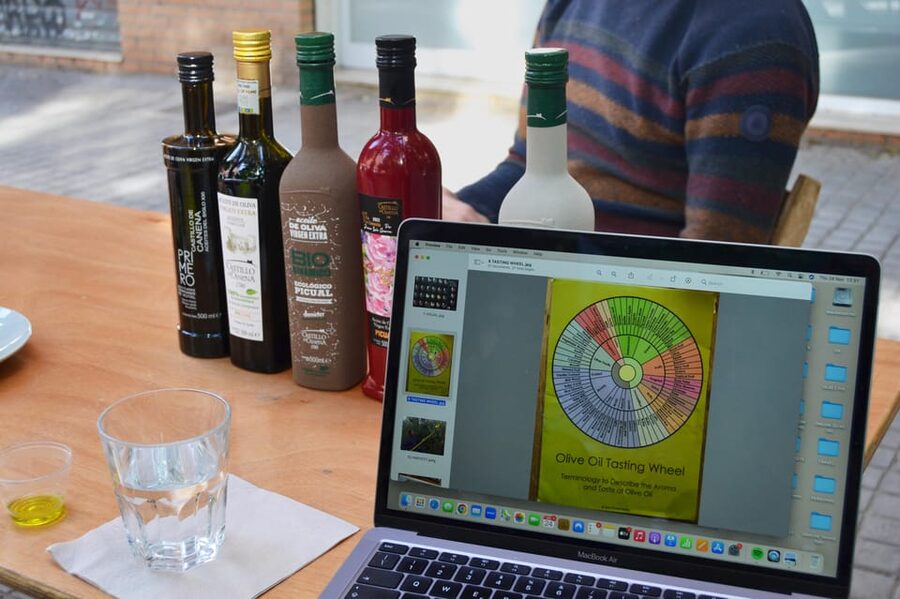
Olive oil can taste like wine. In this 1-hour class in Benimaclet, Valencia, International Olive Oil Competition judge Johnny Madge turns extra virgin olive oil (evoo) into something you can smell, taste, and explain back home. Two things I really like: the competition-style tasting method (with special cups) and the way Johnny keeps the whole session friendly, with lots of clear Q&A.
One thing to consider: it’s only an hour. That’s plenty to get your basics and try at least three oils, but if you’re chasing a long, highly technical class, you’ll likely want extra follow-up after.
In This Review
- Key Highlights That Make This Tasting Worth Your Time
- An International Olive Oil Judge, Right in Benimaclet
- The First Part: Smell Oils Like a Judge Would
- Tasting Techniques You Can Actually Use at Home
- Bread Dipping, Including Gluten-Free Options
- Extra Virgin, First Cold Pressed, and Other Label Confusions
- How Judges Spot Quality: Milling, Freshness, and Faults
- Pairing Oils With Food: From Tasting Notes to Real Meals
- Price and Value for a 1-Hour Judge-Led Class
- Who This Experience Fits Best (And Who Might Want Something Else)
- Accessibility, Timing, and Languages in Plain English
- Should You Book Johnny Madge Olive Oil Tastings in Valencia?
- FAQ
- How long is the Johnny Madge Olive Oil Tastings class?
- How much does it cost?
- What is included in the tasting?
- Do I have to taste the olive oil by itself?
- Where does the tasting meet in Valencia?
- What languages are offered?
- Is the experience wheelchair accessible?
Key Highlights That Make This Tasting Worth Your Time
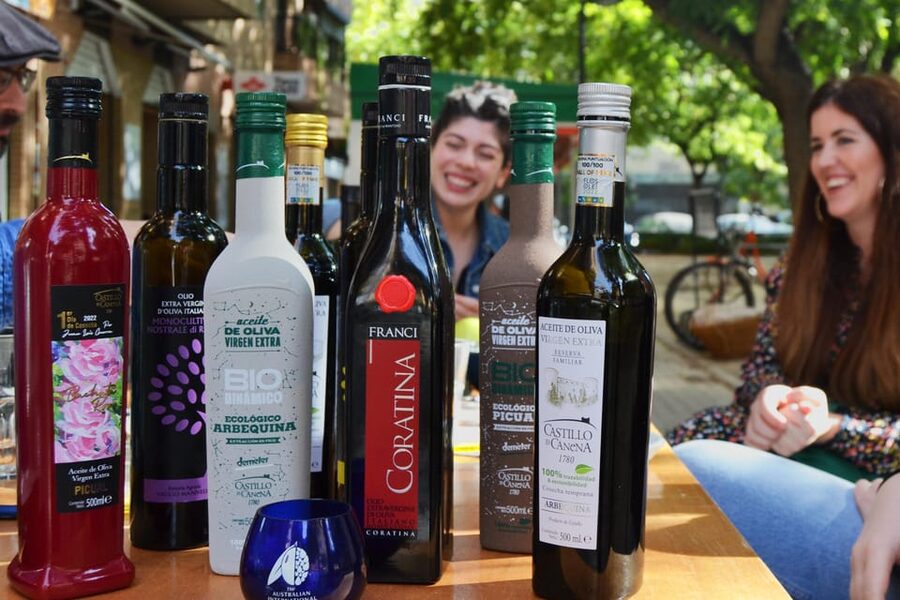
- International Judge in Valencia: Johnny Madge positions himself as the only International Olive Oil Judge in Valencia who runs evoo tastings.
- Competition cups and real aromas: You smell oils using special biodegradable corn cups made for tasting.
- You learn how to taste, not just what to taste: Johnny shows techniques, with bread as an option if you prefer it.
- Real-world clarity on confusing labels: You get practical explanations for what extra virgin means and why first cold pressed is so often misunderstood.
- Q&A that follows your curiosity: Johnny answers questions about evoo health, food pairing, milling tech, and cooking with olive oil.
An International Olive Oil Judge, Right in Benimaclet
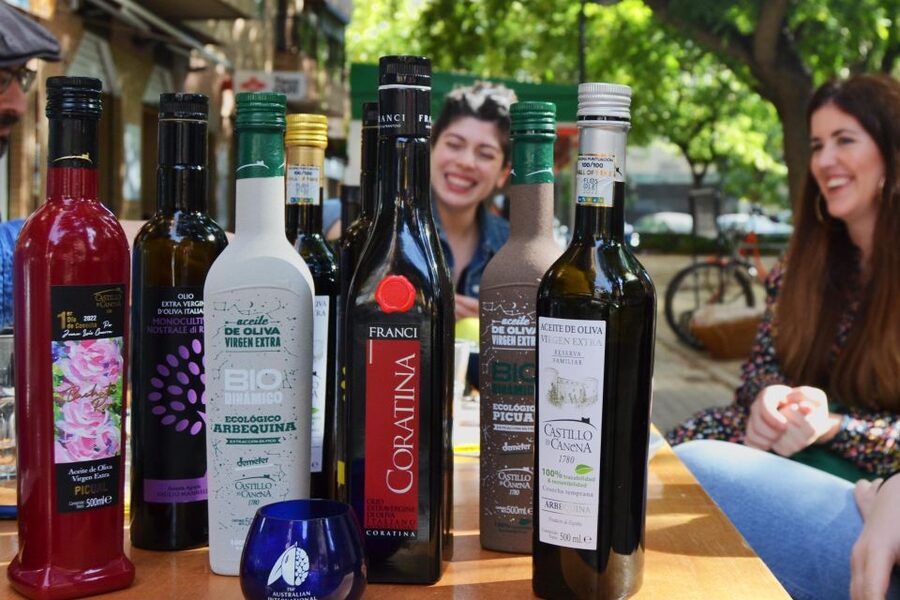
If you’ve ever walked past olive oil labels thinking, I’m sure this is all the same, this is the fix. Johnny Madge runs tastings from a judge’s viewpoint, not from a producer’s sales pitch. That matters, because you’re not being guided toward one brand. You’re being trained to notice quality.
The class is held at La Ola Fresca, a cafe in Benimaclet. The sign outside is big and easy to spot, and it’s on a tree-lined square rather than a street used by cars. It’s a calmer setting than you’d expect for something as sensory as oil tasting.
The vibe is also part of the value. Johnny’s style is friendly and clear, with humor when it helps. That makes the subject easier for first-timers and not boring for people who already read labels and shop with intention.
Still hungry? More Valencia tables and market stops
The First Part: Smell Oils Like a Judge Would
Your tasting starts with aromas. That’s not a random “sniff for fun” moment. In competition-style tasting, aroma is where you catch key clues about how the oil was made and how it might taste.
You’ll smell a selection of world-class extra virgin olive oils using special cups made of biodegradable corn. Those cups are designed for tasting, so you’re not doing it with whatever paper cup happens to be around. The result is more focused, and it helps your brain separate flavors instead of lumping everything together.
Johnny also explains what extra virgin means in real terms. Instead of treating labels like magic words, you get the logic behind the term. That’s useful later when you’re scanning shelves in Spain or back in your home country.
Tasting Techniques You Can Actually Use at Home
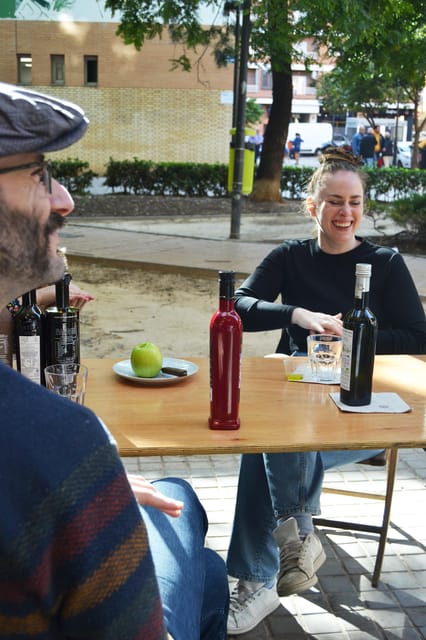
After the aroma comes the tasting method. Johnny gives you the basic steps for how to taste olive oil properly, and he’s very willing to tailor the pace to what you want.
If you want to keep it light and relaxed, you can do that. If you want the nerdy details—the oil-mill mechanics and how the process works—you can ask for them, and Johnny can show photographs to make it clearer. That flexibility is rare in short classes. It lets you choose the depth instead of being stuck with a one-speed script.
There’s also a practical element that many food tastings skip: you learn what you’re tasting for. Not just pleasant flavors, but how to recognize differences that point to quality, freshness, and faults. Once you start noticing those signals, cheap oils stop tasting like “just olive oil.” They start tasting like something you can evaluate.
Bread Dipping, Including Gluten-Free Options
You don’t have to taste oil straight from the cup if you don’t want to. Johnny can offer bread so you can dip and taste the oil with food, which is how many people naturally experience olive oil at home.
The bread options include locally made bread that’s used normally, sourdough, and gluten-free if needed. This is a smart option because food changes how aroma shows up and how bitterness or peppery notes read on your palate.
Even if you choose bread, you still learn the core tasting approach. The point isn’t to replace tasting. It’s to show how to connect oil quality to real meals.
- Valencia: Oceanogràfic Entry Ticket
★ 4.7 · 9,893 reviews - Valencia: 24 or 48-Hour Hop-on Hop-off Bus Ticket
★ 3.9 · 5,611 reviews - Valencia: Sailing Catamaran Cruise with Sunset Option and DJ
★ 4.1 · 4,270 reviews - Valencia: Palosanto Flamenco Show Ticket
★ 4.8 · 3,876 reviews
Extra Virgin, First Cold Pressed, and Other Label Confusions
Olive oil labels love confusing you. Johnny’s job in the class is to make those terms make sense.
You’ll hear what extra virgin means, including how it can earn that name—so you understand what the label is claiming and what it’s trying to communicate. You’ll also get an explanation of why the phrase first cold pressed is so confusing. The words sound simple, but the way they show up on bottles often creates unrealistic expectations.
Another useful part: Johnny talks about what makes the best olive oil. That includes how it’s made and why good choices in the process affect what ends up in your cup. Then he contrasts that with how bad oils are made—so you understand not just what’s wrong, but what likely caused it.
This is the kind of clarity that pays off on your next supermarket run. You won’t just buy what looks fancy. You’ll buy with a checklist in your head.
How Judges Spot Quality: Milling, Freshness, and Faults
A big reason this class stands out is that it’s rooted in judging. Johnny explains how competition tastings are done, which gives you a behind-the-scenes view that goes beyond typical food education.
You’ll hear about milling technology and you can ask questions about it. Johnny can also explain how oil mills work in more detail, with photographs if you want the full story. That’s especially helpful if you’ve ever wondered whether olive oil quality is mainly about the olive variety, the region, the timing, or the technique.
Quality signals often come down to freshness and processing choices. The class frames it so you understand why an oil’s aroma and flavor can differ even when bottles claim similar things. You also learn that “olive oil” isn’t one flavor. It’s a wide range, depending on the olives and the processing.
And yes, you’ll cover what bad oils tend to taste like and why. That’s useful because the goal isn’t to be scared of olive oil. It’s to recognize disappointment early and avoid it.
Pairing Oils With Food: From Tasting Notes to Real Meals
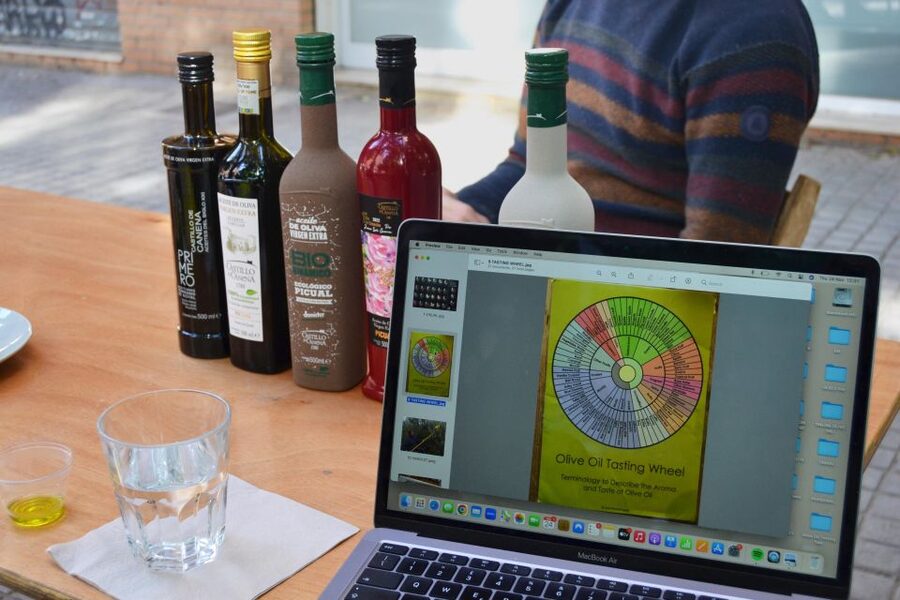
One of the best outcomes of a good olive oil class is what happens after. You start using oil differently.
Johnny will explain how to use olive oil with food, and he’ll answer questions about whether you can cook with olive oil. He doesn’t leave you stuck in theory. The message is practical: you can cook with olive oil, and he helps you think about how to match the oil to the job.
You also learn that the variety in olive oils isn’t a marketing trick. Oils can taste noticeably different—some more fruity, some more grassy, some more peppery or bitter. That variety is exactly what competitions are meant to identify and reward.
If you leave with even a small sense of how to pair, you’ll start tasting your meals differently. A drizzle stops being decoration and becomes part of the flavor design.
Price and Value for a 1-Hour Judge-Led Class
At $23 per person for an hour, this sits in the “value if you care about quality” category. You’re not paying for a long meal. You’re paying for focused instruction and high-quality sampling.
The included part is meaningful: you’ll taste at least three of the world’s best olive oils, chosen by an expert with 20 years of experience. And that selection is not done by a producer of their own oils, which keeps the session from turning into a sales pitch.
Water is also provided. If you want coffee or tea or another drink, that’s not included, so plan on keeping it simple if you want the best value.
What you get for the money is clarity. You’re learning the difference between “good enough” and “actually excellent,” plus the words and techniques to explain it. That’s the sort of skill that keeps paying you back every time you buy a bottle.
Who This Experience Fits Best (And Who Might Want Something Else)
This class is a great fit if you:
- want to understand labels like extra virgin instead of guessing
- like hands-on food learning that you can use immediately
- enjoy Q&A and don’t want to feel rushed
- care about quality and want to avoid low-end oils once you know what to look for
It’s also a good choice if you’re traveling with someone who’s curious but not a “food nerd.” The friendly, funny teaching style helps first-timers feel at ease.
If you’re looking for a huge tasting menu, a meal, or lots of extra food, this may feel too short and too simple. It’s built for tasting and education, not for turning oil tasting into a full dining experience.
Accessibility, Timing, and Languages in Plain English
The class runs for 1 hour. That short timing is a feature, not a flaw—it keeps the session focused and prevents sensory overload.
It’s wheelchair accessible, so you won’t be blocked by the basics. The tour is also offered in English, Italian, French, and Spanish, which makes it easier to choose the language that fits you best.
For many people, the most helpful part of the timing is that you can slot it into a half-day in Valencia without planning your entire schedule around it.
Should You Book Johnny Madge Olive Oil Tastings in Valencia?
Book it if you want a fast, friendly way to get real olive oil skills in your head and on your palate. The combination of competition-style tasting, at least three top oils, and Johnny’s ability to answer follow-up questions is what makes this stand out.
Skip it (or at least temper expectations) if you only want a quick snack experience. This is teaching first. Sampling is the vehicle, not the end goal.
If you want to come home with fewer label doubts and more confidence, this is a solid use of $23—and it’s the kind of experience you’ll remember the next time you taste oil and think, That’s not the same thing.
FAQ
How long is the Johnny Madge Olive Oil Tastings class?
The class lasts 1 hour.
How much does it cost?
The price is $23 per person.
What is included in the tasting?
You’ll taste at least three of the world’s best olive oils, with explanations of the competition-style techniques used.
Do I have to taste the olive oil by itself?
No. If you prefer, you can taste with bread. Bread options can include sourdough, locally made bread, and gluten-free bread.
Where does the tasting meet in Valencia?
It meets at the cafe La Ola Fresca in Benimaclet. The sign outside is big and visible, and it’s on a square with trees (not on a road used by cars).
What languages are offered?
The class is available in English, Italian, French, and Spanish.
Is the experience wheelchair accessible?
Yes, the experience is wheelchair accessible.
More Tour Reviews in Valencia
- Valencia: Oceanogràfic Entry Ticket★ 4.7 · 9,893 reviews
- Valencia: 24 or 48-Hour Hop-on Hop-off Bus Ticket★ 3.9 · 5,611 reviews
- Valencia: Sailing Catamaran Cruise with Sunset Option and DJ★ 4.1 · 4,270 reviews
- Valencia: Palosanto Flamenco Show Ticket★ 4.8 · 3,876 reviews
- Valencia Old Town Tour with Wine & Tapas in 11th Century Historic Monument★ 5.0 · 3,234 reviews
Valencia, Plate by Plate
- Valencia Old Town Tour with Wine & Tapas in 11th Century Historic Monument★ 5.0 · 3,234 reviews
- Valencia: Old Town Tour, Wine & Tapas in an 11th c. Monument★ 4.9 · 1,797 reviews
- Paella Cooking Class, Wine Tasting & Central Market in Valencia★ 5.0 · 1,150 reviews
- Valencian paella cooking class, tapas and visit to Ruzafa market.★ 5.0 · 828 reviews
- Valencia: Paella Cooking Class with Central Market Tour★ 5.0 · 721 reviews
The newest Valencia reviews on our desk




Valencia Food Tours & Tastings, compared.
 ★ 5.0Valencia Old Town Tour with Wine & Tapas in 11th Century Historic MonumentFrom $963,234 reviews
 ★ 4.9Old Town Tour, Wine & Tapas in an 11th c. MonumentFrom $941,797 reviews
 ★ 5.0Paella Cooking Class, Wine Tasting & Central Market in ValenciaFrom $841,150 reviews
 ★ 5.0Valencian paella cooking class, tapas and visit to Ruzafa market.From $78828 reviews
 ★ 5.0Paella Cooking Class with Central Market TourFrom $82721 reviews
 ★ 4.9Orange Farm and Orchard Trip with TastingsFrom $35702 reviews
 ★ 4.8Tapas and Drinks Evening TourFrom $81489 reviews
 ★ 5.0Valencian paella workshop and visit to the Algiros marketFrom $82338 reviews
Browse the lists this tour appears in