
Reviewed · VALENCIA FOOD TOURS & TASTINGS
Valencia: Orange Farm and Orchard Trip with Tastings
Oranges with a side of real farm work. This 2-hour Huerto Ribera tour in Carcaixent takes you from a 19th-century modernist house and gardens into a working citrus operation, with clear explanations of how oranges are grown and handled. It’s the kind of experience that turns your lunch plans into something you can actually talk about.
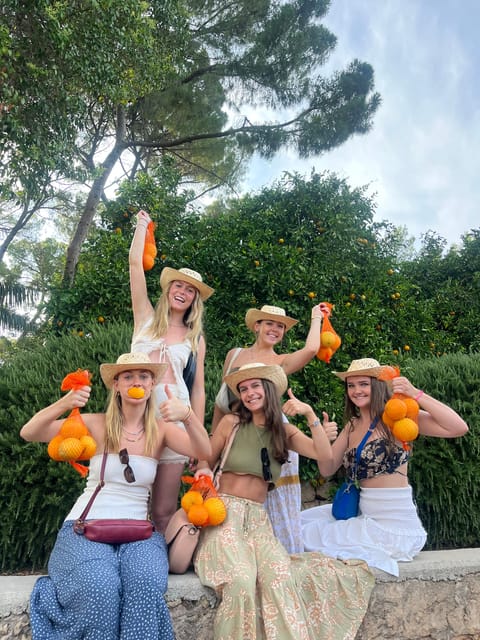
What I like most is how hands-on it feels. You pick your own oranges in season (the tour highlights October to June, and the included take-home bag is February to June) and you taste what you’re learning about, from fresh juice to orange blossom honey. The other standout is the visit to the Naranjas Ribera warehouse-style sorting area, where you see how fruit gets calibrated and selected before it’s boxed up for buyers across Europe.
One consideration: transport isn’t included, and the farm is 35 km from Valencia. If you take the train, you may still need a walk from the station (some people also use taxis), and it’s not suitable for wheelchair users.
In This Review
- Key things you’ll notice on this Huerto Ribera citrus tour
- Huerto Ribera in Carcaixent: the citrus setting that makes the tour click
- The 2-hour flow: from modernist gardens to orchard picking
- Traditional cultivation vs today’s techniques: pruning, grafting, and flowering
- The orchard walk: spotting Sanguinelli, Yuzu, Buddha’s Hand, and more
- Pick-your-own oranges: when the bag is included and how to plan for it
- Naranjas Ribera calibration: how citrus becomes a shipped product
- Tastings at the end: orange juice, liqueurs, jams, and orange blossom honey
- Getting there from Valencia: the train ride and the last stretch
- Price and value: is $35 for 2 hours actually fair?
- Who should book this Huerto Ribera citrus tour
- Should you book the Valencia Orange Farm and Orchard Trip with Tastings?
- FAQ
- Where is the meeting point for this tour?
- How long is the Valencia orange farm and orchard trip?
- What is included in the $35 price?
- Can I take oranges home, and when are they available?
- Is transportation included from Valencia?
- What language is the tour guide?
- Is the tour wheelchair accessible?
- What should I bring?
Key things you’ll notice on this Huerto Ribera citrus tour

- Pick-your-own oranges you can take home (seasonal; bag included Feb to June)
- Naranjas Ribera calibration and selection to understand how “fresh” becomes “shipped”
- A guided grove walk that connects traditional cultivation with modern practices
- A wide mix of citrus varieties like Sanguinelli, Citrus Yuzu, and Buddha’s Hand
- Tastings that follow the theme: juice, liqueurs, homemade jams, orange blossom honey
Huerto Ribera in Carcaixent: the citrus setting that makes the tour click
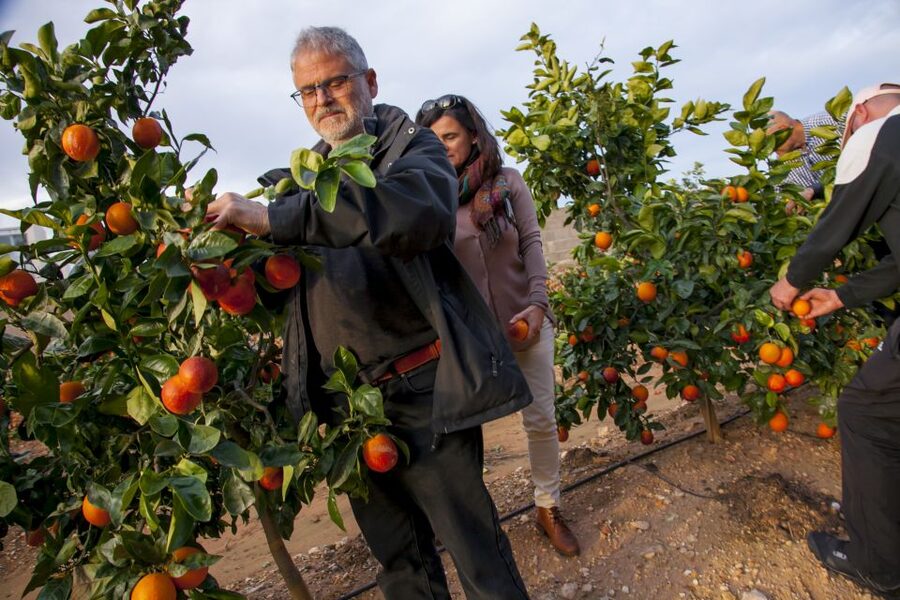
Carcaixent, often called the orange cradle, sits about 35 km from Valencia, and Huerto Ribera is built around the idea that citrus is more than fruit on a supermarket shelf. You start at the property’s eclectic style 19th-century modernist house (seen from the outside), then move into gardens and working groves where the whole operation makes practical sense.
Even if you think you know oranges, the place nudges you to look closer. The guide points out how trees are managed—pruning, grafting, flowering—and why those details matter for taste and yield. It’s not just pretty walks; it’s an explanation of how Valencia citrus keeps working year after year.
Also, it helps that the family-run vibe comes through. In English tours, guides and hosts like Teresa, Ana E., Claire, Luis, and Mylene have been named by visitors, and that mix of warm hosting plus farm know-how is exactly what you want for a short 2-hour visit.
Still hungry? More Valencia tables and market stops
The 2-hour flow: from modernist gardens to orchard picking
The schedule is structured, but it never feels rushed. In two hours, you get a full arc: introduction, walk, learning stops, pick-your-own time, then tastings.
First comes the grove introduction. You’ll walk the orange groves and learn how citrus cultivation is done traditionally, and how it compares with newer approaches. The tour also spotlights the grove’s layout and tree care choices, so you’re not just looking at trees—you’re learning what someone is doing to keep them healthy.
Then you shift from learning to hands-on. Collecting fruit is the moment most people remember, because you’re allowed to pick your own bag of oranges when it’s in season. The exact fruit you’ll see depends on the time of year, but the experience is the same: you’re in the orchard, choosing the oranges, and then you get to take them home.
The last stretch leans into processing and flavor. You’ll visit the area where oranges are calibrated and selected before shipping, and you’ll end with tastings of typical Valencian products like orange juice and preserves. It’s a simple recipe: farm work, then food work.
Traditional cultivation vs today’s techniques: pruning, grafting, and flowering
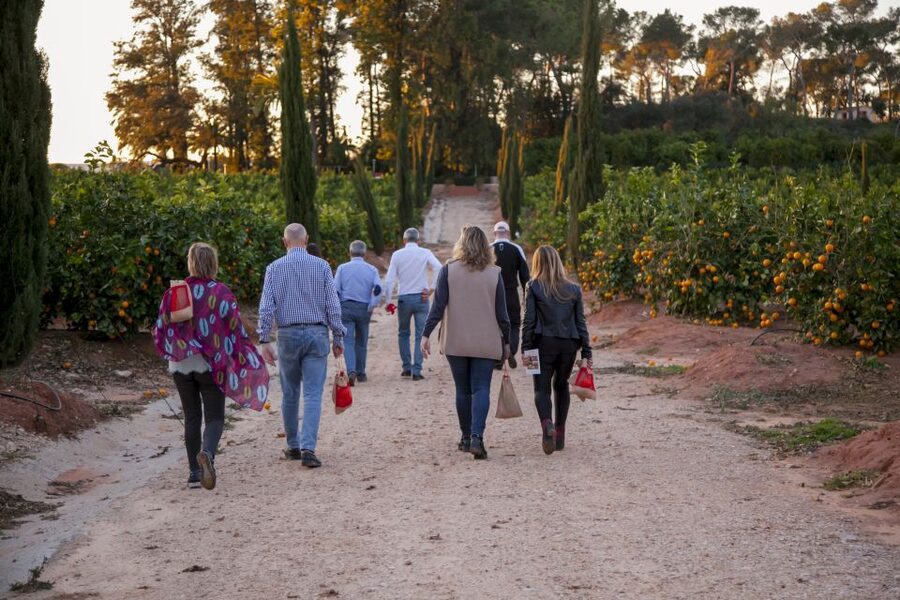
One of the best parts of this tour is that it doesn’t treat citrus as a mystery. The guide explains traditional cultivation and compares it with modern methods, so you start to understand why Valencia citrus tastes like Valencia citrus.
You’ll hear specifics about how fruit trees are shaped and maintained—especially pruning and grafting. Those are not trivia topics. Done well, they affect airflow in the trees, how sunlight reaches fruit, and how consistently the grove produces over time.
Flowering gets its own time too. That matters in Valencia because the aroma of orange blossoms is a real part of the local experience. If you time your visit for spring, you might catch the blossoms at peak bloom, and the smell is the kind of sensory detail you’ll still notice later when you’re back in your hotel.
The orchard walk: spotting Sanguinelli, Yuzu, Buddha’s Hand, and more
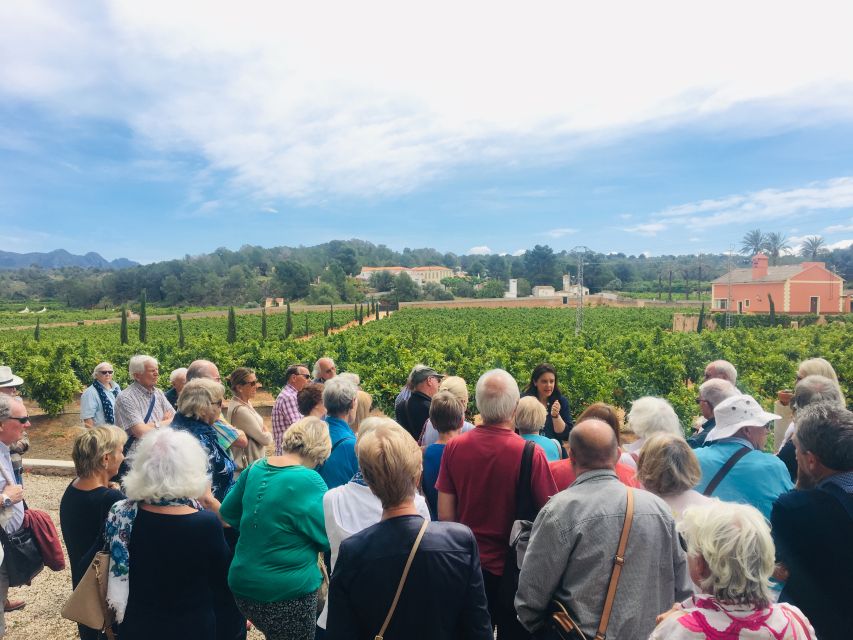
The grove isn’t a one-fruit show. You move among multiple citrus and fruit varieties, including oranges and tangerines, but also curiosities like Buddha’s Hand and citrus caviar (plus other orchard fruits such as avocados, lemons, kumquats, grapefruit, pomegranates, papayas, and medlars, depending on what’s growing and in season).
Some varieties are called out by name—Sanguinelli, Citrus Yuzu, and Buddha’s Hand among them. That’s a big deal for value: you learn that Valencia citrus isn’t one flavor. Blood oranges (like Sanguinelli types) can be tangier and deeper in color. Yuzu brings sharp aroma notes. Buddha’s Hand is visually wild, and its usefulness is different from a classic juicing orange.
This is also where the tour becomes more than “walk and taste.” You’re learning how to identify what you’re looking at and why it’s planted. If you enjoy food science, you’ll appreciate the way the guide connects tree care and variety choices to what you’ll eventually taste.
- Valencia: Oceanogràfic Entry Ticket
★ 4.7 · 9,893 reviews - Valencia: 24 or 48-Hour Hop-on Hop-off Bus Ticket
★ 3.9 · 5,611 reviews - Valencia: Sailing Catamaran Cruise with Sunset Option and DJ
★ 4.1 · 4,270 reviews - Valencia: Palosanto Flamenco Show Ticket
★ 4.8 · 3,876 reviews
Pick-your-own oranges: when the bag is included and how to plan for it
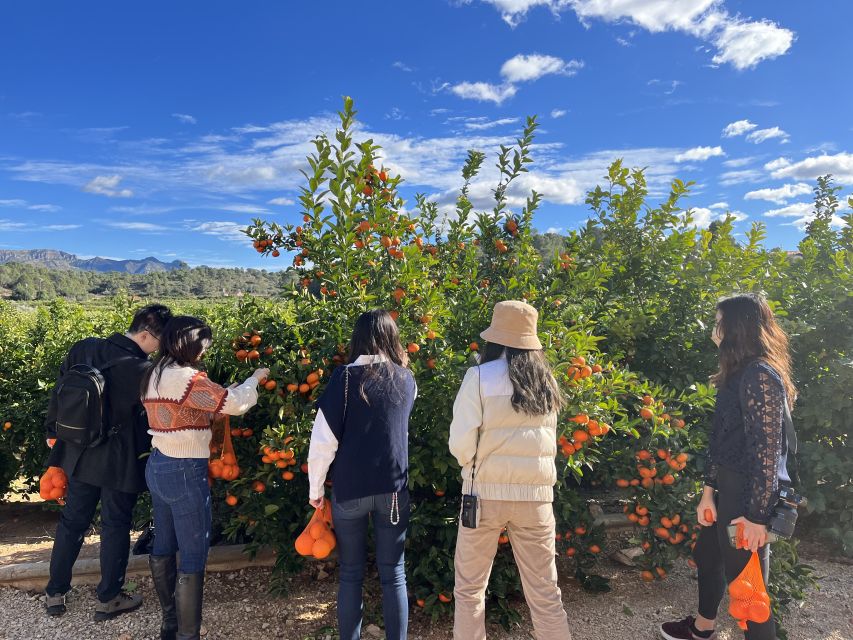
This is the hands-on highlight, and it’s also the moment where timing matters.
The tour description points to picking oranges in season from October until June. The included benefit says you get a pick-your-own bag of oranges from February to June. So if you’re planning a trip for a specific month, I’d treat those as guardrails and confirm what’s available right when you book.
Practical tip: wear comfortable shoes. You’ll be walking through orchard paths, and you’ll want grip and support for uneven ground. If you’re going in warmer months, plan for heat too—one visitor noted that hats were provided, but you shouldn’t count on that every day. Bring sunscreen and water if you tend to overheat easily.
Also think about luggage space. At least one visitor said they wanted to buy more at the end but couldn’t fit items home because of luggage limits. If you want to bring back jars and honey, pack a little extra room for souvenirs.
Naranjas Ribera calibration: how citrus becomes a shipped product
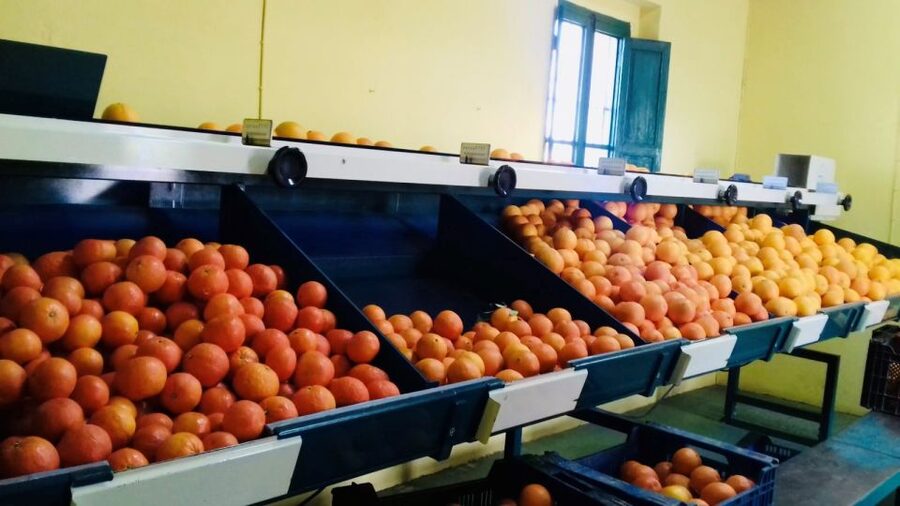
After the orchard, the tour shifts from growing to sorting. This part is especially useful if you’ve ever wondered why oranges sometimes taste great at the farm but disappoint later.
At the Naranjas Ribera area, you’ll learn how oranges are calibrated and selected. In plain terms: the fruit is measured, sorted, and chosen so what you buy in Europe matches expectations for size and quality. It’s not glamorous, but it’s exactly how a real supply chain works.
You also get a sense of the current situation for Valencian citrus growing in that specific environment. The tour emphasizes how the grove’s conditions matter—so flavor doesn’t feel random. Instead, it feels like the result of climate, soil, and careful tree care, followed by proper handling after harvest.
Then there’s a small-but-memorable stop: the well from which the orchard is irrigated. It’s the kind of detail that makes the farm feel real, not staged. You leave knowing where the water system comes from and why irrigation planning is part of citrus survival.
Tastings at the end: orange juice, liqueurs, jams, and orange blossom honey
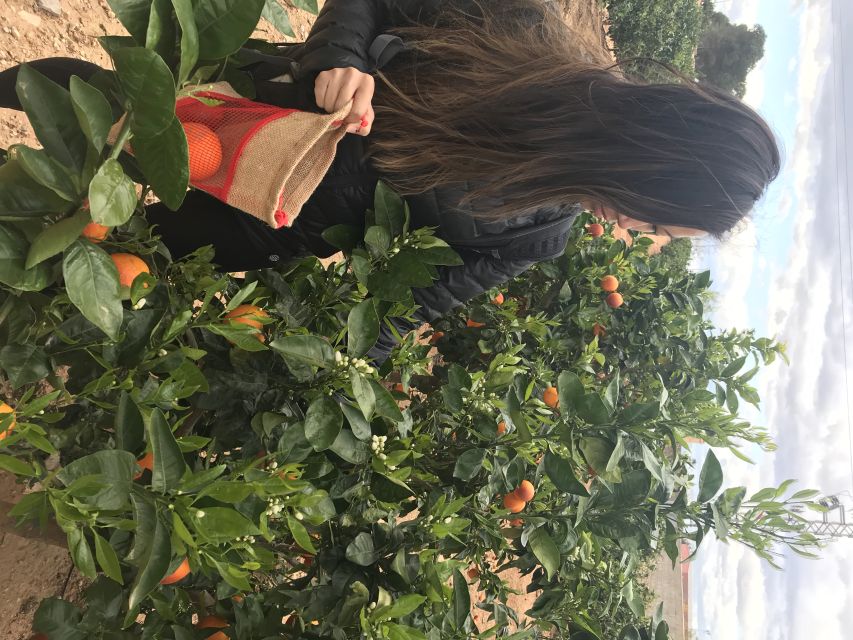
You end with the edible payoff. Typical tastings include fresh orange juice, tangerines (when in season), Valencian liqueurs, homemade jams, and orange blossom honey.
What I like about this tasting format is that it stays tied to what you saw earlier. You’re not just getting random bites. You’re sampling products that come from the same orchard ecosystem and same citrus varieties.
A few extra tasting moments show up based on the season and the day. Visitors have described being greeted with lemonade and orange blossom cookies, and some noted the fresh juice tasted especially good after the orchard walk. That makes sense: you’re warm, you’ve been learning, and then you finally taste the fruit at its strongest.
If you have a sweet tooth, pay attention to the honey and jams. They aren’t just souvenirs; they’re a way to keep Valencia citrus flavors going after the tour ends. And if you’re curious about liqueurs, this is a good low-pressure way to sample before you commit to a bottle.
Getting there from Valencia: the train ride and the last stretch
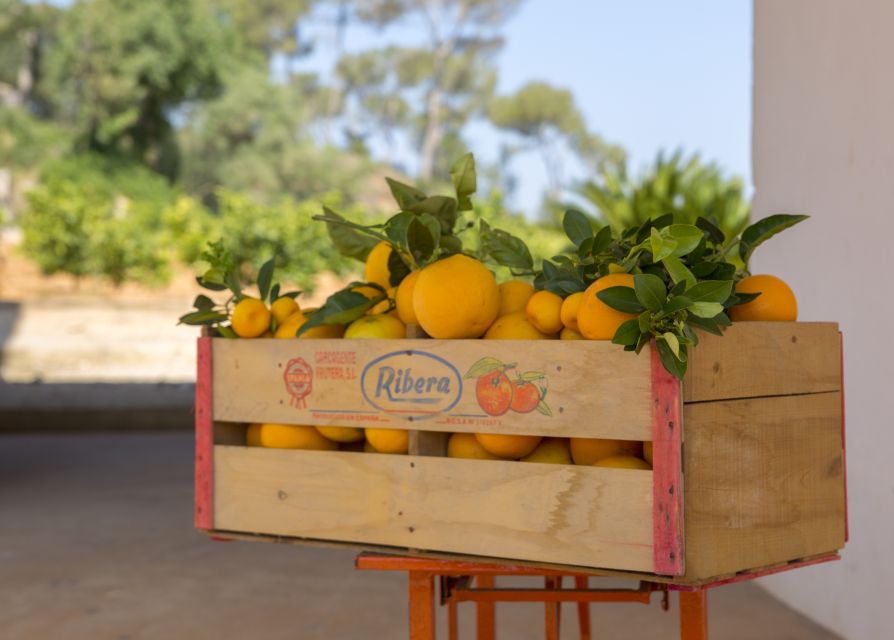
This part can make or break your day.
The farm is 35 km from Valencia. From Valencia Nord Station, there’s a direct train ride of about 35 minutes, and then you reach the property. Some visitors mention walking from the station (one said about a 30-minute walk and not a pretty one), while others arranged a taxi that worked well.
So I’d plan in a simple way:
- If you hate walking, budget time and options for a taxi from the station.
- If you’re okay with a walk, bring comfortable shoes and assume it might take around half an hour depending on where you’re dropped.
Transport isn’t included in the tour price, so you’ll also want to factor in your local transit costs. It’s not hard, but it is your responsibility.
Price and value: is $35 for 2 hours actually fair?
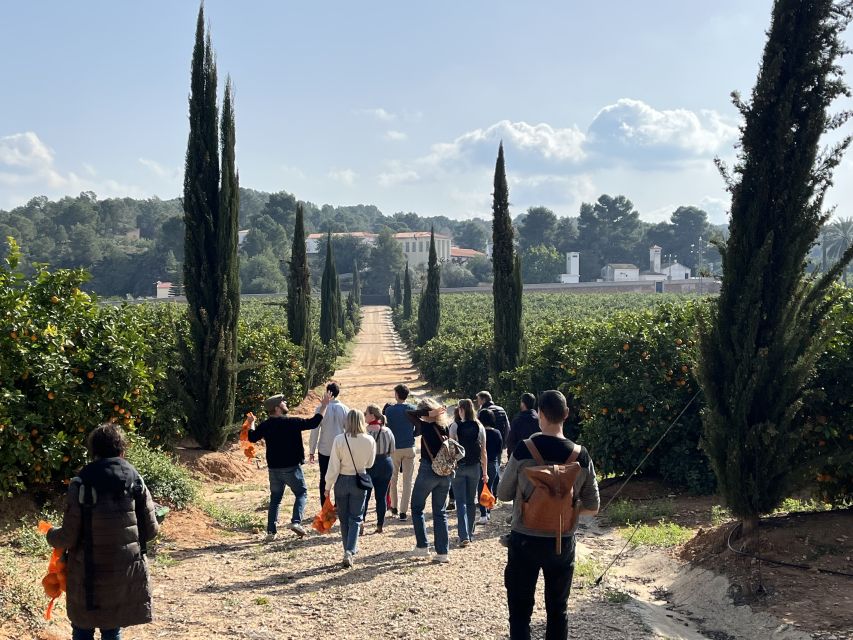
At $35 per person for a 2-hour guided experience, the value depends on what you care about. If you just want scenic strolling and a few sips, you might feel it’s not enough time. But if you want to learn how citrus is grown, sorted, and turned into regional foods, $35 is a strong deal.
Here’s why. You’re paying for access to:
- orchard walking with explanations (not self-guided)
- a working farm operation that includes a calibration/selection stop at Naranjas Ribera
- pick-your-own fruit (included bag in Feb–June)
- tastings of multiple orange-based products
When you break it down, you’re not just paying for juice. You’re paying for a guide who can connect tree care to flavor, plus the ability to leave with fruit you picked yourself.
If you’re on a tight schedule in Valencia, the 2-hour duration is also a plus. You get a focused experience without losing your whole day to transfers.
Who should book this Huerto Ribera citrus tour
This tour is a great match if you:
- want a food experience that teaches you how it’s made
- like hands-on activities like picking fruit
- enjoy citrus beyond plain orange juice
- want a family-friendly plan that still feels adult-interesting
It’s also ideal for people who like small details, such as pruning and grafting, because the guide doesn’t gloss over the practical side.
Two groups should take a careful look. First, it’s not suitable for wheelchair users. Second, if you dislike walking and don’t want to handle the last-mile from the train station, you’ll need to plan for taxi time or accept a longer foot stretch.
Should you book the Valencia Orange Farm and Orchard Trip with Tastings?
I’d book it if you want something more specific than a generic “tour.” The combination of grove walk, pick-your-own oranges, and the Naranjas Ribera calibration stop makes it feel like an actual farm-to-table story, not just a tasting session.
Skip it if your idea of a vacation day is zero walking and maximum relaxation, because you’ll be on your feet in an orchard and the transport logistics are on you. Also, if your visit falls outside the fruit-picking window, you might feel less of the main reward—even though you’ll still get tastings and the guided farm learning.
If you match those dots, Huerto Ribera is one of the smarter $35 choices you can make around Valencia.
FAQ
Where is the meeting point for this tour?
The meeting point is Huerto Ribera, Polígono Nº 53, 5, 46740 Carcaixent, Valencia, Spain.
How long is the Valencia orange farm and orchard trip?
The tour lasts about 2 hours.
What is included in the $35 price?
The tour includes a pick-your-own bag of oranges (February to June), a tasting of local products, and a tour guide.
Can I take oranges home, and when are they available?
You can collect and take oranges home when they are in season. The tour mentions in-season picking from October until June, and the included bag is February to June.
Is transportation included from Valencia?
No. Transportation is not included.
What language is the tour guide?
The tour guide offers English.
Is the tour wheelchair accessible?
No, it’s not suitable for wheelchair users.
What should I bring?
Wear comfortable shoes, since you’ll be walking in and around the orchard.
More Tour Reviews in Valencia
- Valencia: Oceanogràfic Entry Ticket★ 4.7 · 9,893 reviews
- Valencia: 24 or 48-Hour Hop-on Hop-off Bus Ticket★ 3.9 · 5,611 reviews
- Valencia: Sailing Catamaran Cruise with Sunset Option and DJ★ 4.1 · 4,270 reviews
- Valencia: Palosanto Flamenco Show Ticket★ 4.8 · 3,876 reviews
- Valencia Old Town Tour with Wine & Tapas in 11th Century Historic Monument★ 5.0 · 3,234 reviews
Valencia, Plate by Plate
- Valencia Old Town Tour with Wine & Tapas in 11th Century Historic Monument★ 5.0 · 3,234 reviews
- Valencia: Old Town Tour, Wine & Tapas in an 11th c. Monument★ 4.9 · 1,797 reviews
- Paella Cooking Class, Wine Tasting & Central Market in Valencia★ 5.0 · 1,150 reviews
- Valencian paella cooking class, tapas and visit to Ruzafa market.★ 5.0 · 828 reviews
- Valencia: Paella Cooking Class with Central Market Tour★ 5.0 · 721 reviews
The newest Valencia reviews on our desk





Valencia Food Tours & Tastings, compared.
 ★ 5.0Valencia Old Town Tour with Wine & Tapas in 11th Century Historic MonumentFrom $963,234 reviews
 ★ 4.9Old Town Tour, Wine & Tapas in an 11th c. MonumentFrom $941,797 reviews
 ★ 5.0Paella Cooking Class, Wine Tasting & Central Market in ValenciaFrom $841,150 reviews
 ★ 5.0Valencian paella cooking class, tapas and visit to Ruzafa market.From $78828 reviews
 ★ 5.0Paella Cooking Class with Central Market TourFrom $82721 reviews
 ★ 4.8Tapas and Drinks Evening TourFrom $81489 reviews
 ★ 5.0Valencian paella workshop and visit to the Algiros marketFrom $82338 reviews
 ★ 5.0Seafood paella cooking class, tapas and visit to Ruzafa market.From $78328 reviews
Browse the lists this tour appears in