
Reviewed · VALENCIA OLD TOWN & EL CARMEN
Small-Group Medieval Valencia Walking Tour – Licensed Guide
Valencia’s medieval layers feel close, not textbook. This small-group walk is led by a licensed local guide, so you get calm, story-first history without the crush of a big group. I especially like the way you move through key neighborhoods in 2 hours, and how the tour connects architecture to everyday life, not just dates. One thing to plan for: you’ll be on your feet a fair amount on old-town sidewalks, so comfortable shoes matter.
I also like that the guide uses simple visual aids (often on a tablet) because medieval Valencia can sound complicated until the city “clicks” into place. If you want a tour style that’s not rushed and not tip-driven energy, this one fits. If you’re expecting a long, sit-down museum experience, you might want to pair it with extra time in the sites afterward.
In This Review
- Key things I’d bet on
- Why this medieval walk beats the usual Valencia tour
- From Plaça de la Verge to Valldigna: the city’s layered opening act
- Torres de Serranos: defensive power explained without the stress
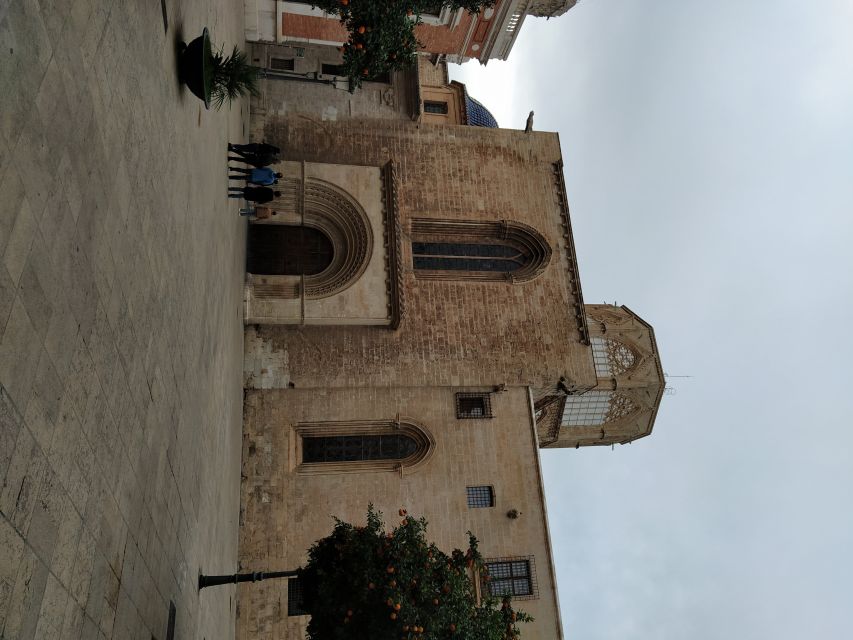
- Valencia Cathedral: where religious power meets the city’s story
- Llotja de la Seda: the Silk Exchange and 5,000-workshop scale
- How the guide makes medieval names feel manageable
- Walking time, group size, and the pace you’ll feel
- Price and value: is $14 worth your time in Valencia?
- After the Silk Exchange: where to go next
- Who should book this tour (and who might not)
- Should you book this Small-Group Medieval Valencia Walking Tour?
- FAQ
- How long is the Small-Group Medieval Valencia Walking Tour?
- Where does the tour start and where does it end?
- What is the meeting point?
- What languages are offered?
- Is the tour suitable for wheelchair users?
- What is included in the price?
- Is food included?
- Can I cancel for a refund?
- Do I have to pay immediately to reserve?
Key things I’d bet on
- Licensed guide, local storytelling: you’ll hear the city explained with context and humor.
- A clear medieval timeline: Roman fall to Muslim influence to Christian reconquest, then printing and authors.
- Architecture you can actually read: portals, towers, cathedral details, and the Silk Exchange.
- Silk industry scale: the legacy of more than 5,000 workshops becomes easy to picture.
- Valencia sayings and anecdotes: small cultural bits that make the history stick.
- From Plaça de la Virgen to Lonja de Mercaders: a satisfying “start-to-finish” route.
Why this medieval walk beats the usual Valencia tour
This is the kind of tour that respects your time. In 2 hours, you cover enough ground to feel like you’re walking through a timeline, but you’re not sprinting between landmarks. The group stays small, so it’s easier to ask questions and actually follow the story without being swallowed by noise.
The biggest difference is focus. Instead of bouncing randomly, the route is built around how Valencia’s power changed over time—who controlled the city, what they valued, and how that showed up in stonework, street layout, and major institutions. That’s why the architecture isn’t just pretty. It’s evidence.
And yes, you’ll get local color—Valencia sayings and anecdotes. Those little phrases matter because they’re often tied to how people lived, worked, and believed. They turn “history” into something you can talk about the next day.
Still circling Ciutat Vella? These reviews walk the same lanes
From Plaça de la Verge to Valldigna: the city’s layered opening act
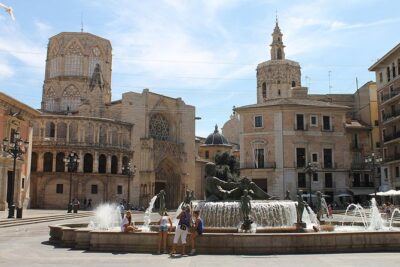
The tour starts at Plaça de la Verge, 6, with the meeting point identified by an Integra-T Experience guide holding a tablet with the sign Medieval Tour. You’ll meet between the fountain and the basilica (the pink church). It’s a very central spot, which makes it easy to slot into your day.
Your first stop is a viewpoint—about 15 minutes—to get bearings. In old cities like Valencia, your brain needs a quick map of where things sit relative to each other. This viewpoint helps you later when you’re trying to connect portals, towers, and major buildings along the route.
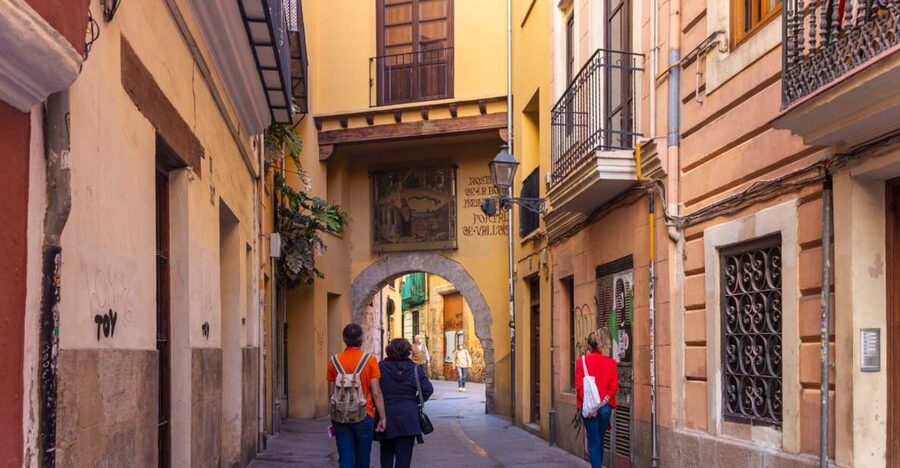
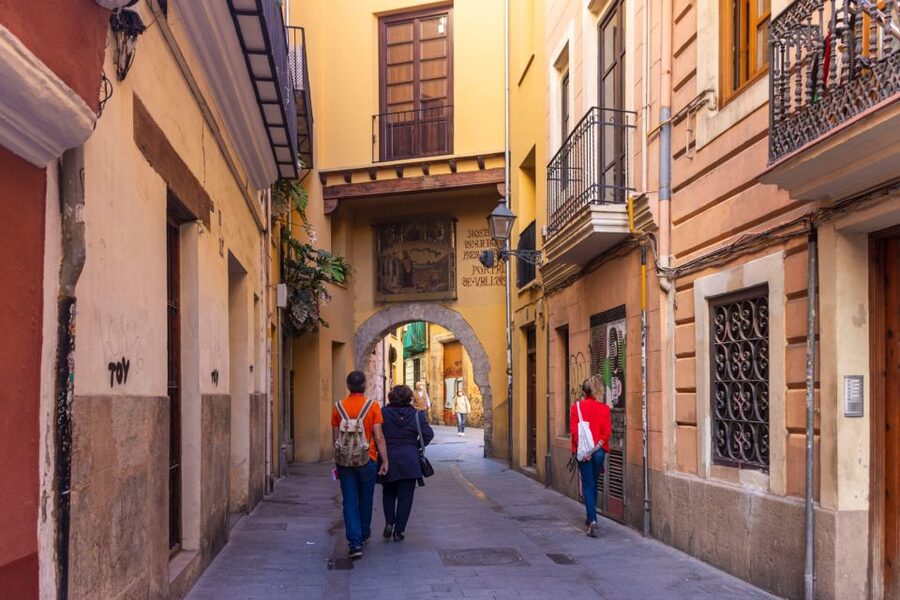
Next comes Portal de Valldigna (around 20 minutes). Portals are more than entrances. They’re political statements: where authority stood, how the city controlled movement, and what it considered important to protect. In a good medieval narrative, a portal becomes a character. You’ll learn why this part of Valencia mattered as the city’s rulers changed.
Then you’ll get a quieter stretch (about 10 minutes) for a smaller stop—an intimate pause in the flow. This is one of the practical tricks of this tour: it prevents “landmark fatigue.” Instead of rushing every corner, you get brief moments to absorb what you’re seeing and what it means.
What to keep in mind: this early section is where the story is set up. If you’re the type who likes to take photos constantly, try to balance that with listening. The guide ties later stops back to earlier ideas, and you’ll feel that payoff more if you stay tuned at the start.
Torres de Serranos: defensive power explained without the stress
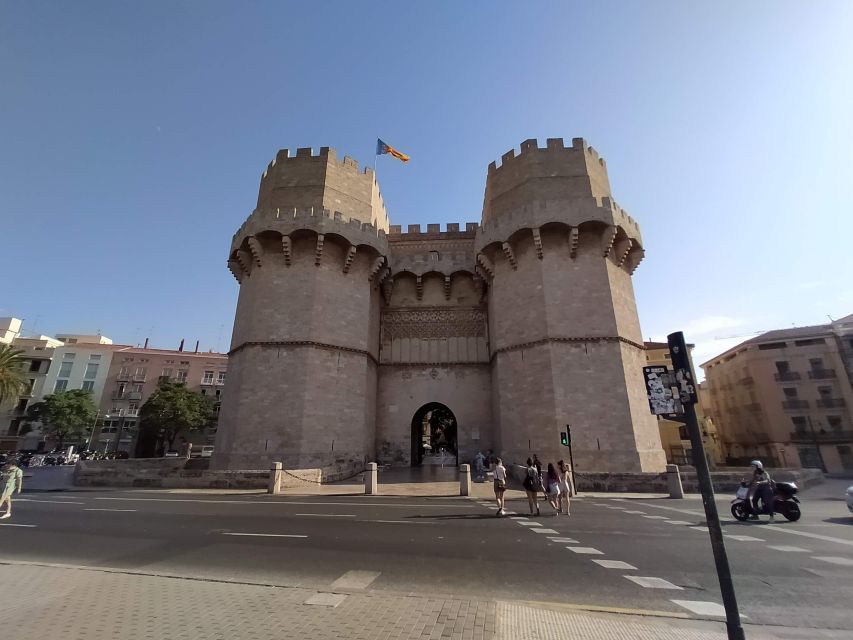
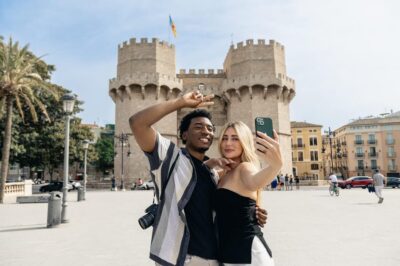
Torres de Serranos is up next (about 10 minutes). These are the kind of towers you recognize even if you don’t know the name. The guide’s job here is to translate that “wow” factor into understanding: who built defensive structures like this, what they were protecting, and how the city functioned as a fort-like space.
You’ll also have another viewpoint later (about 15 minutes). Viewpoints are especially useful in a medieval city because they help you see how the skyline and street direction influence defense, travel, and visibility. It’s also a smart way to keep the tour moving without feeling like a chore.
A small drawback to expect: tower and portal history can sound dense if you want pure architecture and nothing else. This tour intentionally mixes architecture, art, and history. If you love that blend, you’ll be in your element. If you want only one narrow angle, you may find yourself wanting a bit more detail in specific areas.
Valencia Cathedral: where religious power meets the city’s story
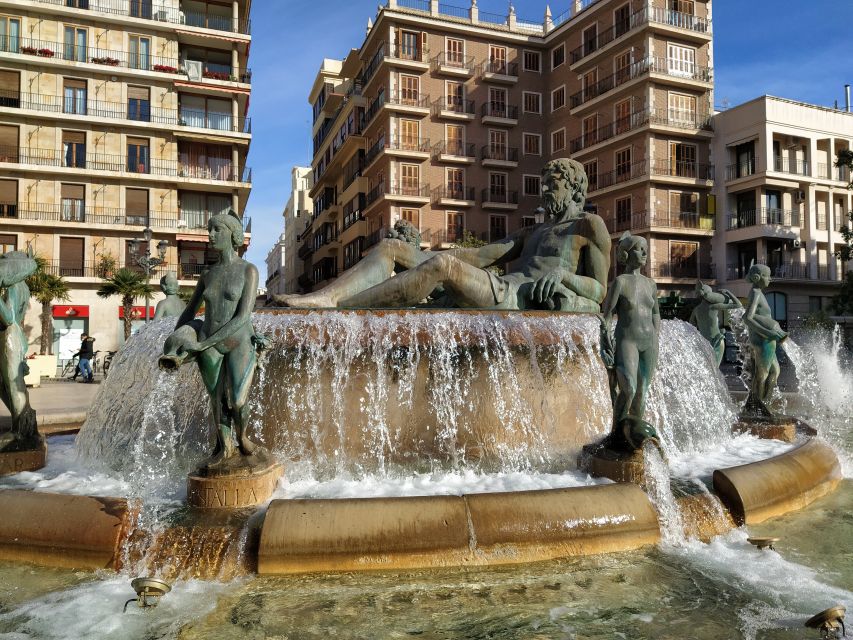
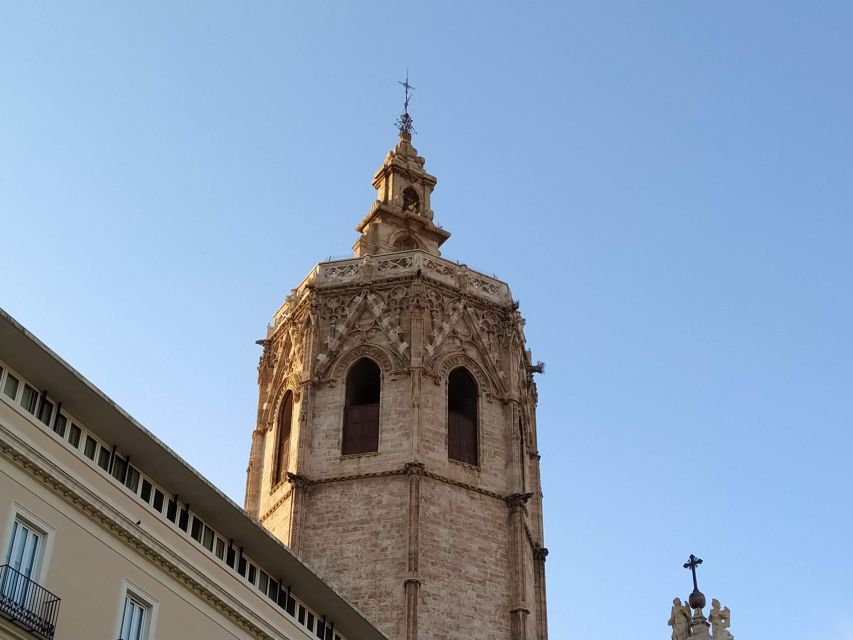
The route then reaches Valencia Cathedral (around 15 minutes). Cathedrals can feel like stand-alone stops when you visit them alone. On this walk, the cathedral works better because you’ve already been primed by the city’s earlier transformations.
The guide frames the larger arc: Valencia’s changes after the Fall of the Roman Empire, then the shifts after the Muslims conquered, and later the Christian reconquest. That matters here because the cathedral doesn’t just represent one era. It represents how later Valencia claimed continuity while also reshaping identity.
You may also hear how the city’s “splendor” connected to new cultural forces. One of the tour’s key themes is that Valencia wasn’t only about conquest and defense. It also became a place where ideas spread—especially once printing arrived.
If you visit the cathedral areas afterward on your own, you’ll notice details more. You’ll have a story in your head for what you’re looking at, and that makes slower wandering much more rewarding.
Walkers who read this review also pulled up these Valencia routes
- Valencia: Essentials and World Heritages Sites Walking Tour
★ 4.7 · 684 reviews - Valencia: Historical Walking Tour
★ 4.6 · 390 reviews - Valencia: Private Walking Tour with a Local
★ 4.8 · 298 reviews - Valencia: City Walking Tour with Top Attractions – ITALIAN
★ 4.9 · 242 reviews
Llotja de la Seda: the Silk Exchange and 5,000-workshop scale
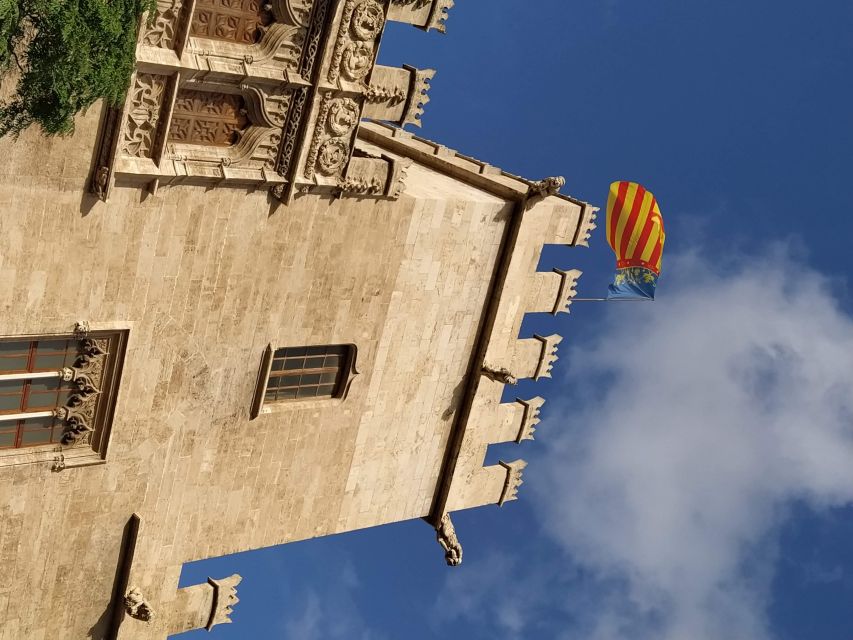
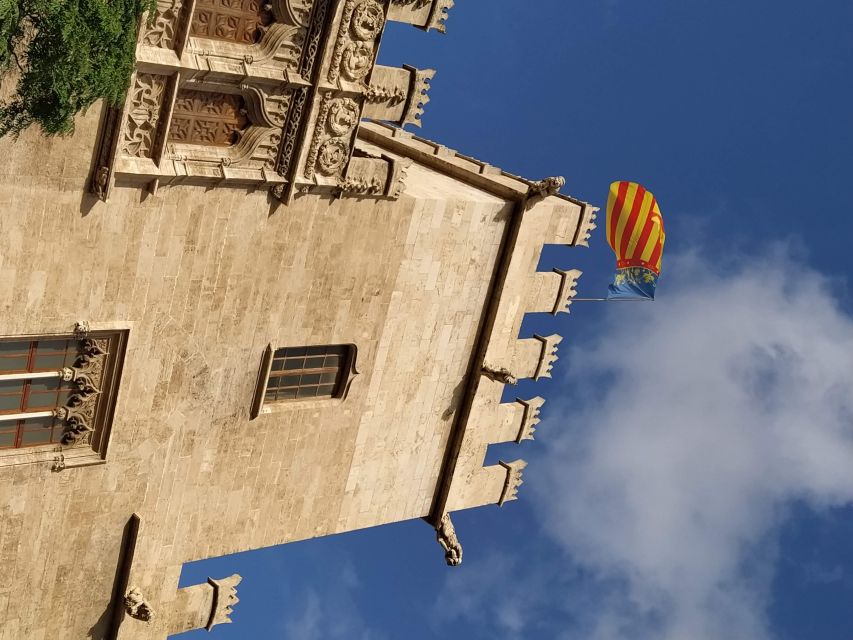
The finish line is Llotja de Mercaders, better known as the Silk Exchange Market building. This is the big payoff stop (around 20 minutes), and it’s where the tour’s Silk industry storyline becomes real.
Valencia’s silk boom is described with a scale that sticks: more than 5,000 workshops. Even if you don’t know the economic history of medieval silk offhand, the guide helps you picture what that meant—work, trade, status, and why a city would build a landmark exchange building to support commerce.
The Llotja also ties art and architecture to money and influence. That connection is what makes this stop more than a pretty building. It’s a lesson in how wealth shaped public space.
One more detail to expect: the tour’s narrative often mentions books, authors, and prominent families connected to Valencia’s kingdom, including the fact that in Valencia the first book in the Iberian Peninsula was published, and that it was published in Valencian. You’ll see why that kind of cultural moment belongs in a Silk Exchange story—because thriving cities attract ideas as well as trade.
A practical note: because this is your final segment, it’s a good point to decide how you want to spend the rest of your afternoon. If you want to linger, do it here. If you have plans elsewhere, you’ll already feel like you got the core meaning out of the stop.
How the guide makes medieval names feel manageable
The best guides don’t just list facts—they create mental shortcuts. This one uses a licensed guide approach with clear structure and visual aids. In English and Spanish, you’ll often get help via maps shown on a tablet, which makes the history easier to keep in order.
That matters because medieval Valencia can feel like a chain of big events: Roman decline, Muslim conquest, Christian reconquest, then printing. Without guidance, it’s easy for dates and names to blur together. With a well-paced tour, you get a framework: each era changes something you can point to in the city.
You’ll also hear local anecdotes and Valencia sayings. Those are more than fun extras. They help you remember the human side of the story—how people talk about themselves, the city’s identity, and what they’re proud of.
If you like a tour that’s both funny and rigorous, this style works well. And if you’re traveling with someone who finds history heavy, the storytelling approach keeps it moving without turning it into trivia.
Walking time, group size, and the pace you’ll feel
You’re looking at about 2 hours total, moving at a calm walking pace. The tour is designed for a relaxed experience around the city center, and it’s a solid option when you want “real content” without burning half a day.
Small group matters here. With fewer people, you’re more likely to hear the guide clearly and ask quick follow-ups. It also tends to reduce the stop-and-go chaos that can happen when groups are large.
What to wear: expect some old-street walking, plus time standing for viewpoints. If your legs get tired easily, this is still doable, but prioritize comfortable shoes and consider taking short photo pauses only when you’re not losing the thread.
Price and value: is $14 worth your time in Valencia?
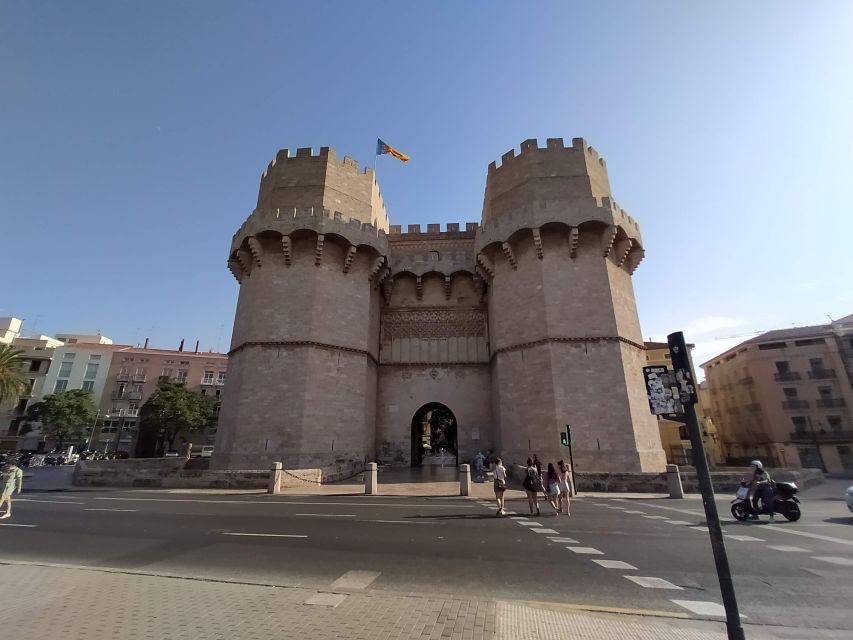
$14 per person is a surprisingly fair price for what you get: a licensed local guide plus a structured, medieval-themed route that ties multiple eras together. You’re not paying for a bus ride, and you’re not paying for a long museum entry package. You’re paying for interpretation and context—arguably the hardest part to DIY if you’re trying to understand why places matter.
Here’s the value logic that makes sense: Valencia’s center is walkable, but medieval history is not. Without a guide, you can end up with a photo album and not much connective tissue. This tour is built to give you that connective tissue fast, so your later independent time feels smarter.
If you already plan to visit the Cathedral and the Silk Exchange anyway, the guide helps you get more meaning from time you would spend there on your own.
After the Silk Exchange: where to go next
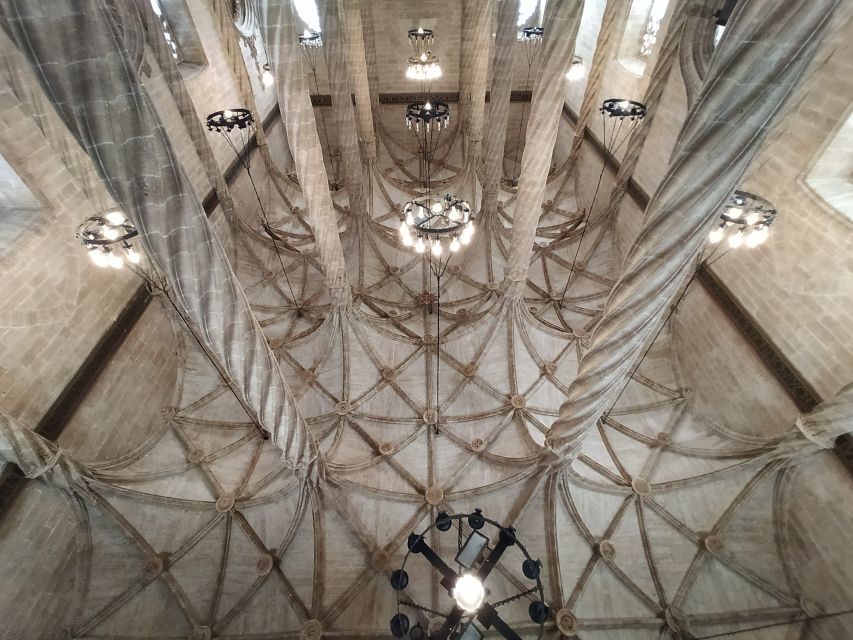
Once you reach the Silk Exchange, you’re in a great position to keep exploring nearby streets at your own pace. The tour ends at Lonja de Mercaders, which makes it easy to connect to other old-city stops without backtracking.
If you want a concrete food idea from the same guiding style, David has recommended Pelayo Gastro Trinquet for Valencian paella. It’s the kind of local suggestion that’s hard to guess correctly without asking someone who knows the area.
Who should book this tour (and who might not)
You should book if you:
- love history that’s told as a story, not as a lecture
- want a calm, small-group format without the chaos of huge tours
- enjoy architecture with context—portals, towers, cathedral, and civic commerce
- want a Silk Exchange stop that explains why the city became a trading powerhouse
You might skip it (or pair it with something else) if you:
- only want museum-like time inside buildings
- dislike guided walking tours that involve standing at viewpoints
- need hours of deep political detail for each era, without the broader narrative arc
Should you book this Small-Group Medieval Valencia Walking Tour?
Yes, if your goal is an efficient, high-signal introduction to medieval Valencia. The combination of a licensed local guide, a focused route from Plaça de la Virgen to the Silk Exchange, and the way the story connects Roman, Muslim, and Christian eras gives you a framework you’ll keep using long after the walk ends.
I’d particularly recommend it if you want to feel oriented quickly in Valencia and you like the idea of learning through places you can actually see. If you’re short on time, two hours is the sweet spot.
FAQ
How long is the Small-Group Medieval Valencia Walking Tour?
It takes about 2 hours.
Where does the tour start and where does it end?
It starts at Plaça de la Verge, 6 and finishes at Lonja de Mercaders (the Silk Exchange Market building).
What is the meeting point?
Look for an Integra-T Experience guide with a tablet signed Medieval Tour between the fountain and the Basilica (the pink church).
What languages are offered?
The live tour guide speaks English and Spanish.
Is the tour suitable for wheelchair users?
Yes, the tour is wheelchair accessible.
What is included in the price?
A guided walking tour in the old town with a licensed local guide, focused on history and culture.
Is food included?
No. Food and drinks are not included, and there is no pick-up.
Can I cancel for a refund?
Yes. You can cancel up to 24 hours in advance for a full refund.
Do I have to pay immediately to reserve?
You can reserve now and pay later, keeping your plans flexible.
More Tour Reviews in Valencia
- Valencia: Oceanogràfic Entry Ticket★ 4.7 · 9,893 reviews
- Valencia: 24 or 48-Hour Hop-on Hop-off Bus Ticket★ 3.9 · 5,611 reviews
- Valencia: Sailing Catamaran Cruise with Sunset Option and DJ★ 4.1 · 4,270 reviews
- Valencia: Palosanto Flamenco Show Ticket★ 4.8 · 3,876 reviews
- Valencia Old Town Tour with Wine & Tapas in 11th Century Historic Monument★ 5.0 · 3,234 reviews
Valencia at Walking Pace
- Valencia: Essentials and World Heritages Sites Walking Tour★ 4.7 · 684 reviews
- Valencia: Historical Walking Tour★ 4.6 · 390 reviews
- Valencia: Private Walking Tour with a Local★ 4.8 · 298 reviews
- Valencia: City Walking Tour with Top Attractions – ITALIAN★ 4.9 · 242 reviews
- Discover Valencia: Guided Walking Tour★ 4.9 · 211 reviews
Deeper into El Carmen
- Valencia Old Town Tour with Wine & Tapas in 11th Century Historic Monument★ 5.0 · 3,234 reviews
- Valencia: Old Town Tour, Wine & Tapas in an 11th c. Monument★ 4.9 · 1,797 reviews
- Valencia: Cathedral, St Nicholas, and Lonja de la Seda Tour★ 4.8 · 861 reviews
- Essentials of Valencia and its World Heritage Sites★ 4.5 · 350 reviews
- Valencia: Medieval Old Town Segway Tour★ 4.8 · 251 reviews
The newest Valencia reviews on our desk



Valencia Old Town & El Carmen, compared.
 ★ 5.0Valencia Old Town Tour with Wine & Tapas in 11th Century Historic MonumentFrom $963,234 reviews
 ★ 4.9Old Town Tour, Wine & Tapas in an 11th c. MonumentFrom $941,797 reviews
 ★ 4.8Cathedral, St Nicholas, and Lonja de la Seda TourFrom $53861 reviews
 ★ 4.5Essentials of Valencia and its World Heritage SitesFrom $20350 reviews
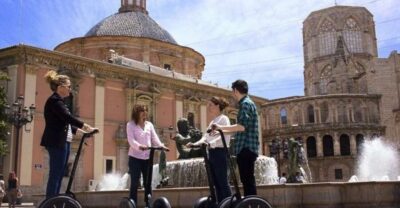 ★ 4.8Medieval Old Town Segway TourFrom $41251 reviews
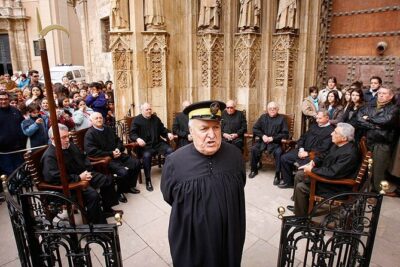 ★ 5.0Essential Valencia and World Heritage Sites (English)From $12188 reviews
 ★ 4.7Valencia all in one: beaches, old town & city arts by E-bikeFrom $4778 reviews
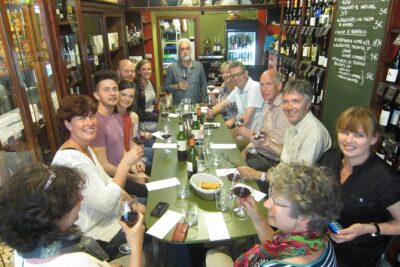 ★ 5.0Private premium wine tasting with snacks in Valencia’s old townFrom $7157 reviews
Browse the lists this tour appears in